Explore
Discover
Interesting discoveries, ideas and stories worth exploring.
Discover
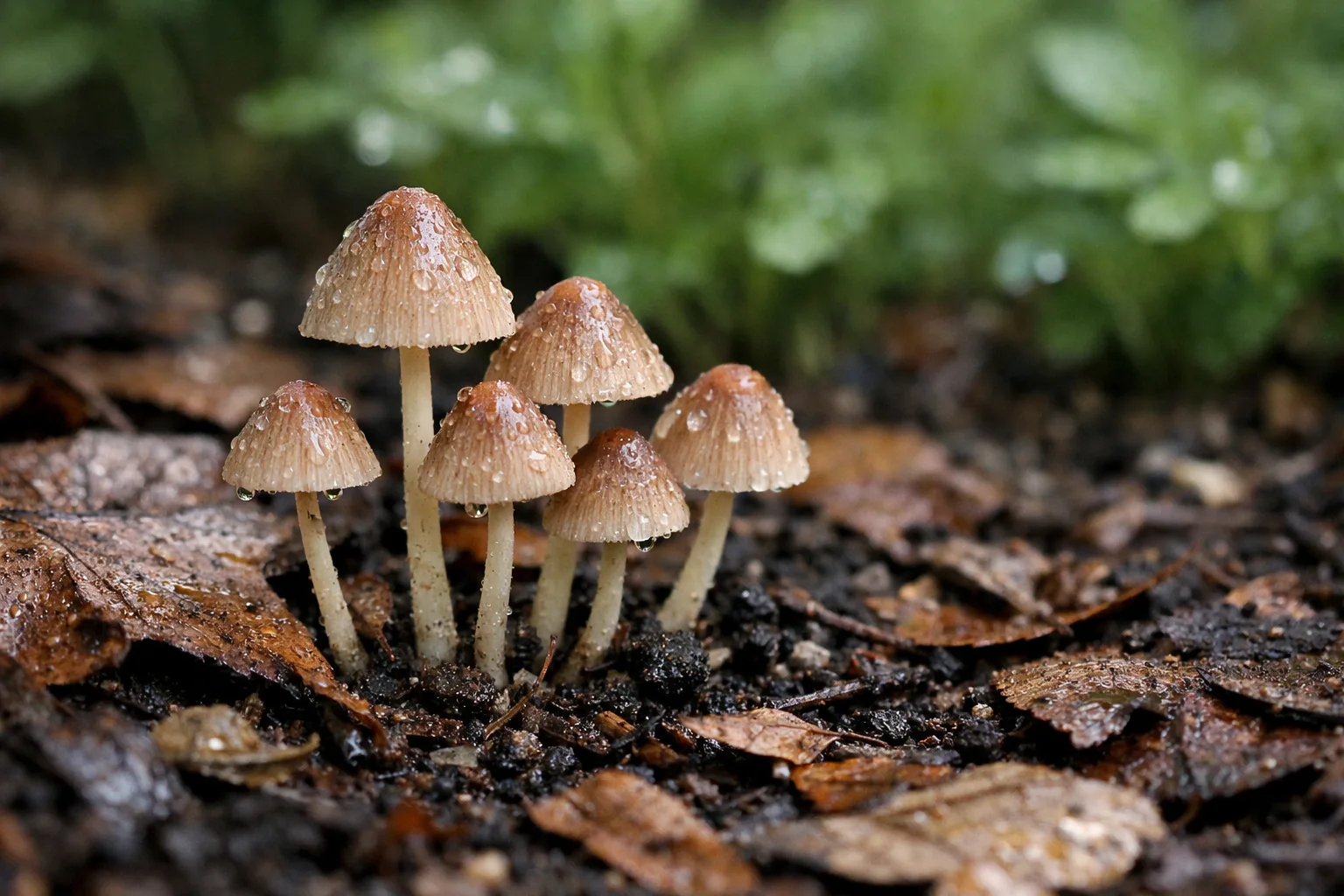
How Do Mushrooms Seem to Appear Overnight?
Mushrooms don’t grow from nothing in a single night. Their hidden fungal network can produce visible fruiting bodies quickly when conditions are right.
Discover
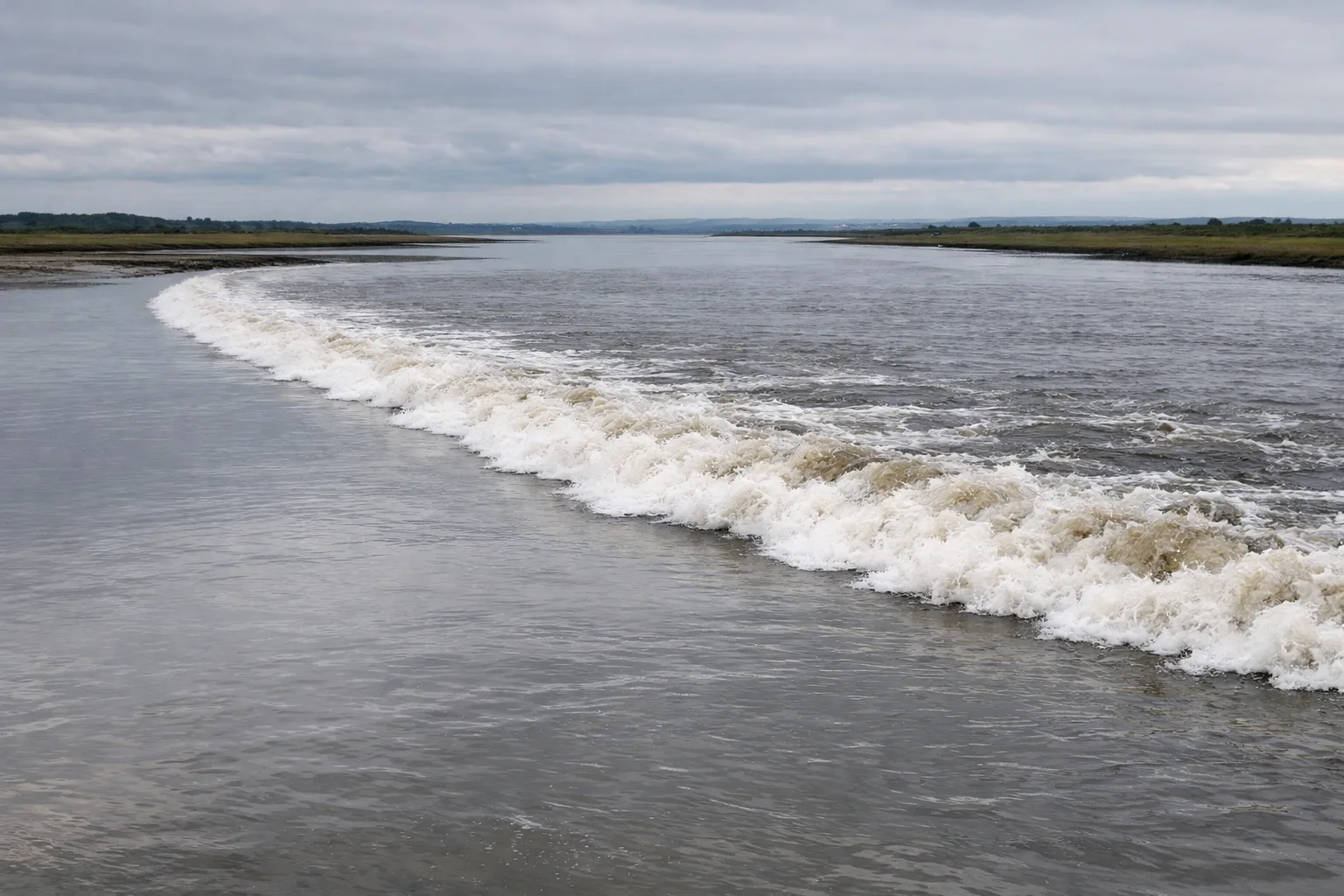
How Tidal Bores Send Waves Upstream
A tidal bore forms when a rising tide is funneled into a shallow river mouth, steepening into a moving front that can surge against the river’s flow.
Discover
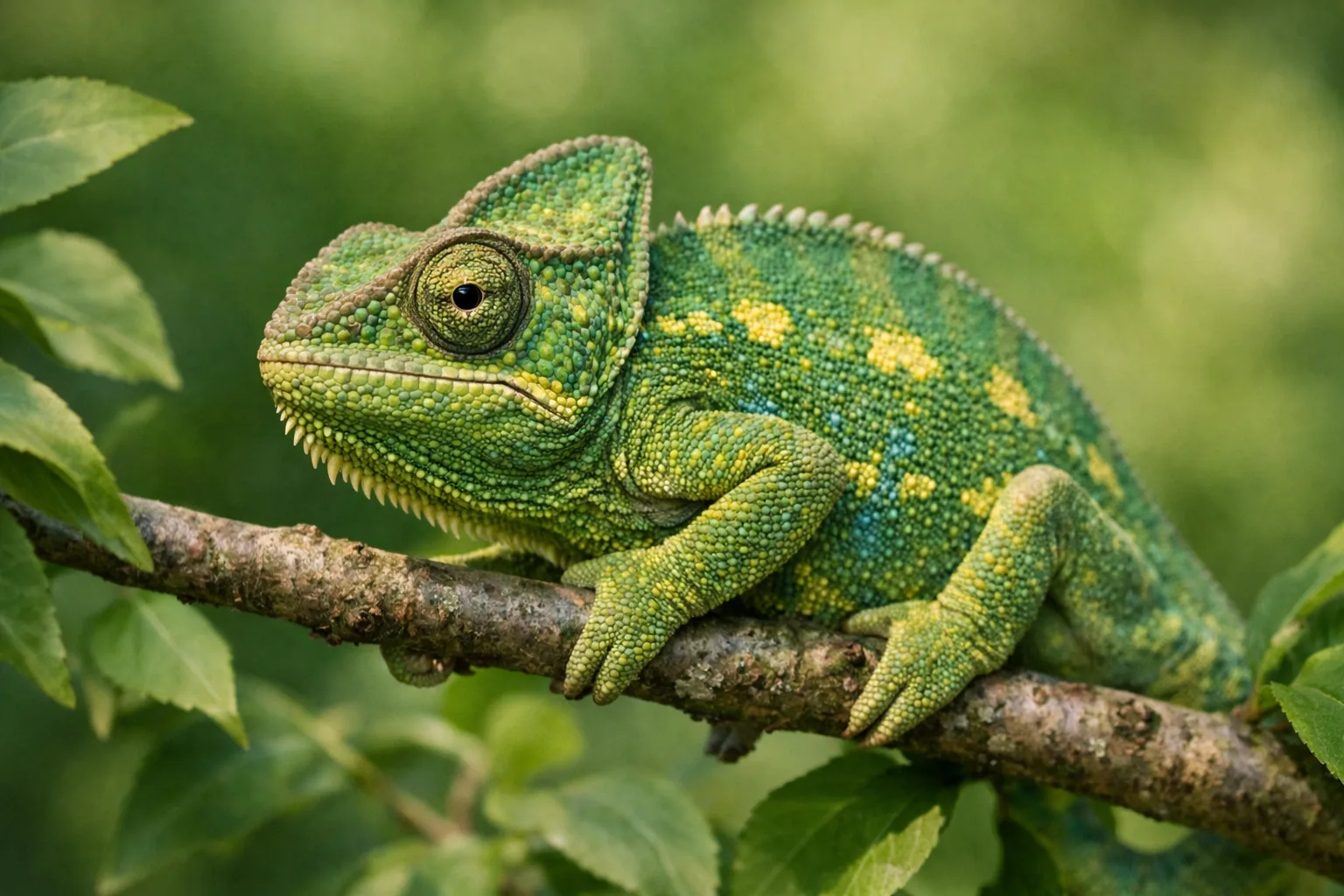
Why Chameleons Change Color—and What the Colors Signal
Chameleons change color to communicate, respond to temperature and light, and sometimes blend in. Their shifting shades come from both pigments and remarkable skin cells.

Discover
Why Popcorn Pops Into a Light, Fluffy Shape
A popcorn kernel turns fluffy when trapped moisture builds pressure, then bursts through its hull and expands the softened starch into a porous foam.
Discover
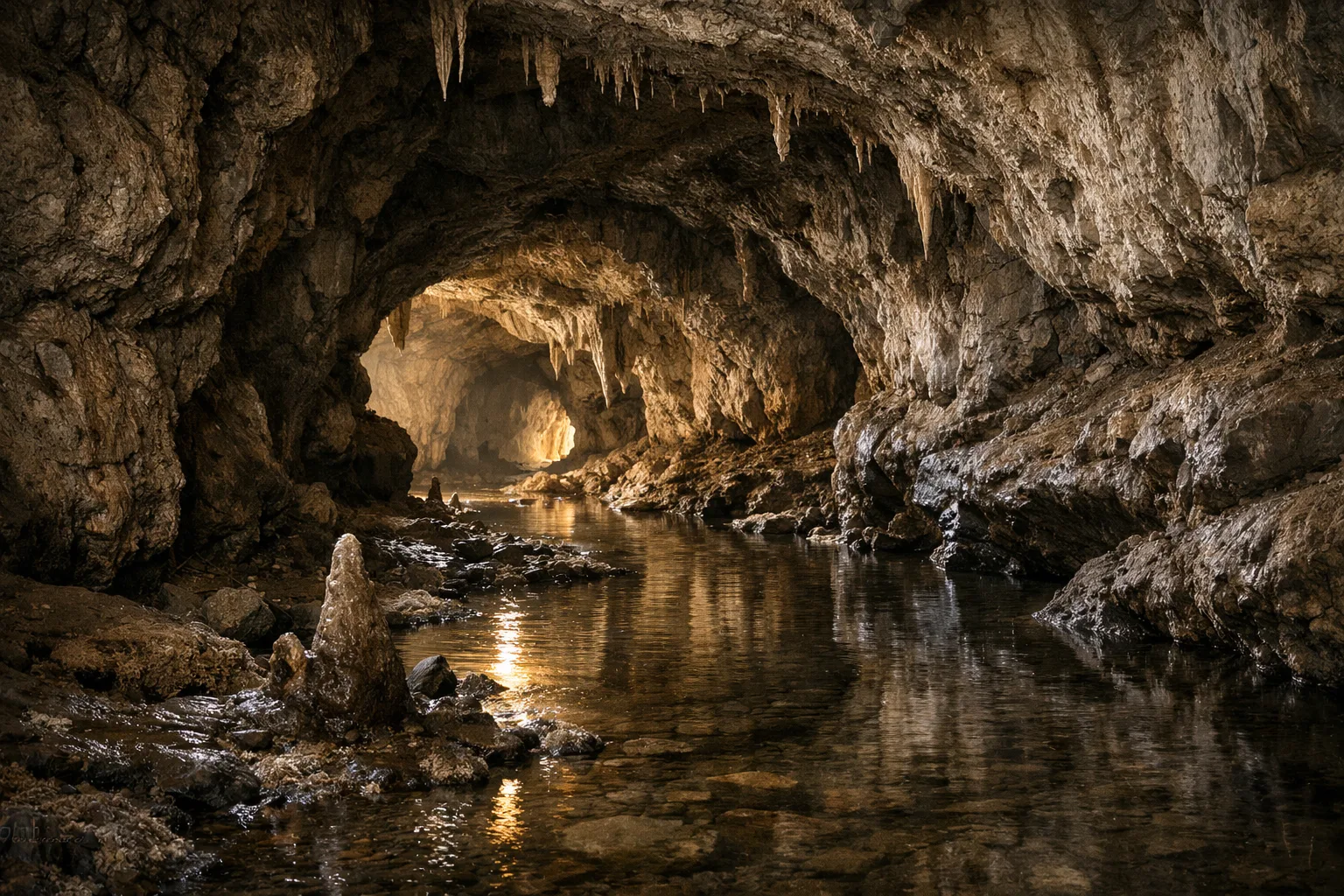
How Caves Form: The Slow Work That Shapes Rock
Caves form as water dissolves rock, waves carve coastlines, or lava drains from cooling flows. Discover how tiny cracks grow into underground passages.
Discover
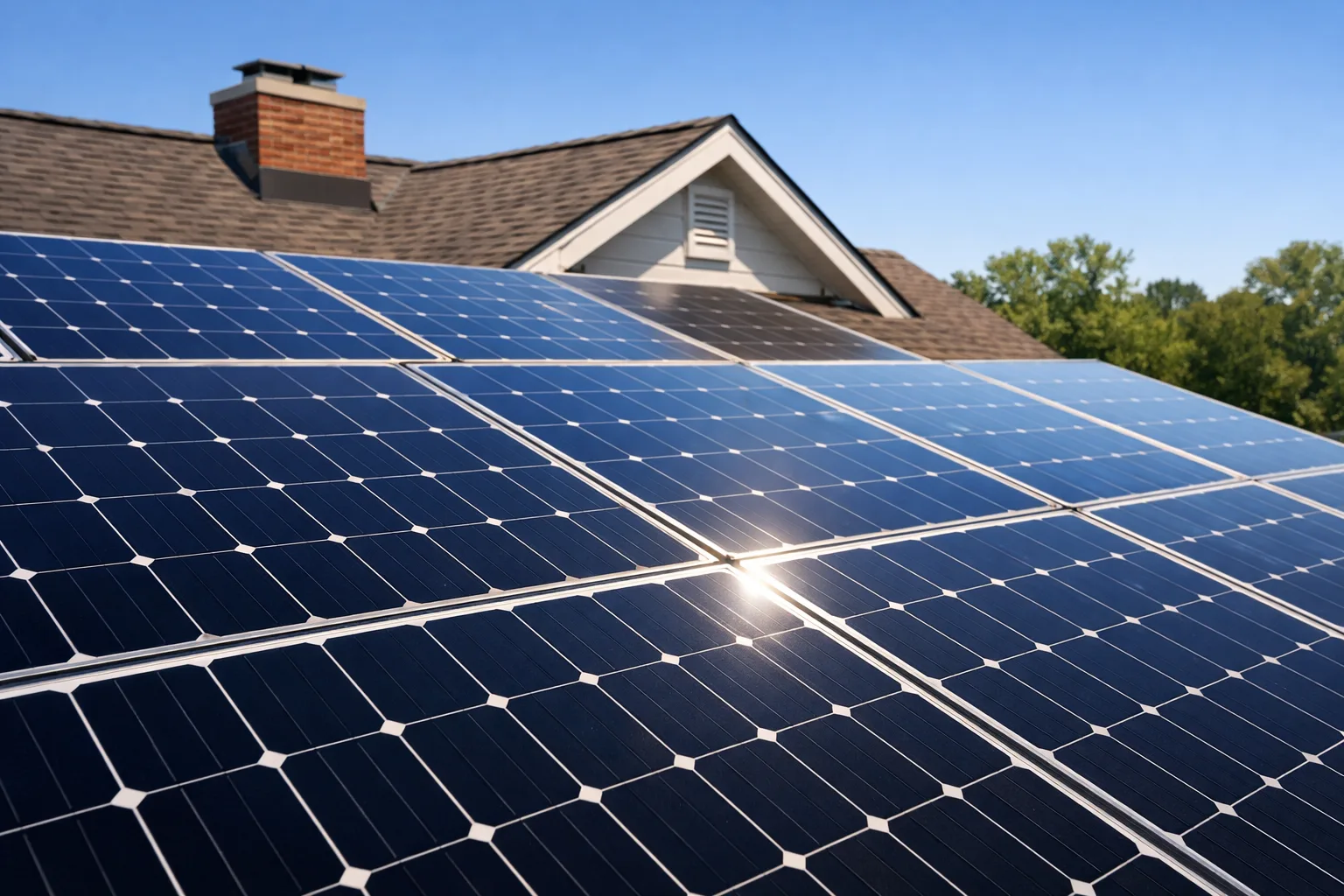
How Solar Panels Turn Sunlight Into Electricity
Solar panels don’t simply store sunlight or turn it into heat. They use a semiconductor to free electrons and create an electric current you can use.
Discover
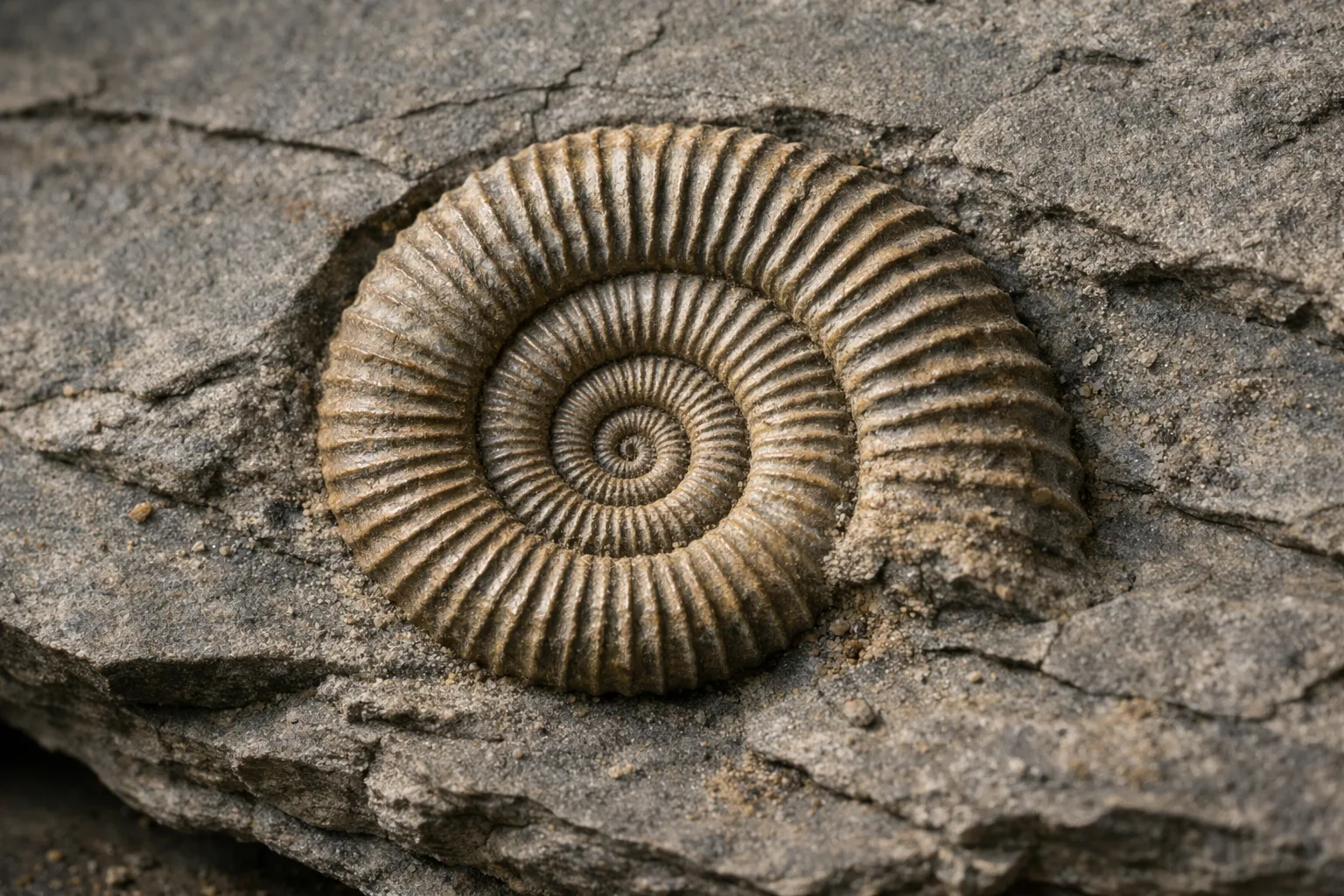
How Fossils Form: The Long Journey from Life to Stone
Fossils preserve more than bones. Learn how burial, minerals, and rare conditions can turn traces of ancient life into clues about Earth’s past.
Discover
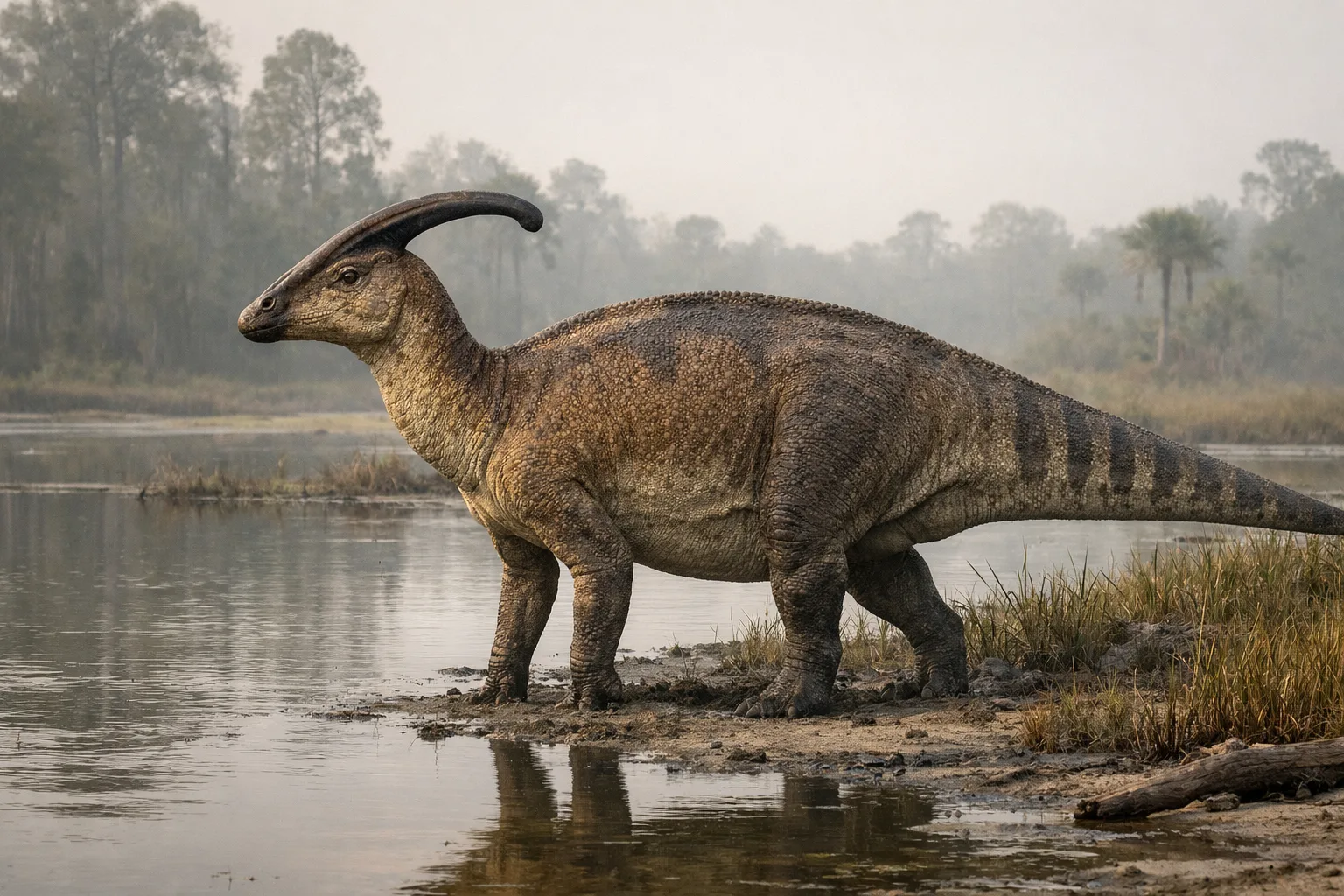
Can Scientists Know What Dinosaurs Sounded Like?
Fossils can reveal clues about dinosaur hearing and sound-making anatomy, but no one can recover a prehistoric roar. Here is what scientists can—and cannot—know.
Discover
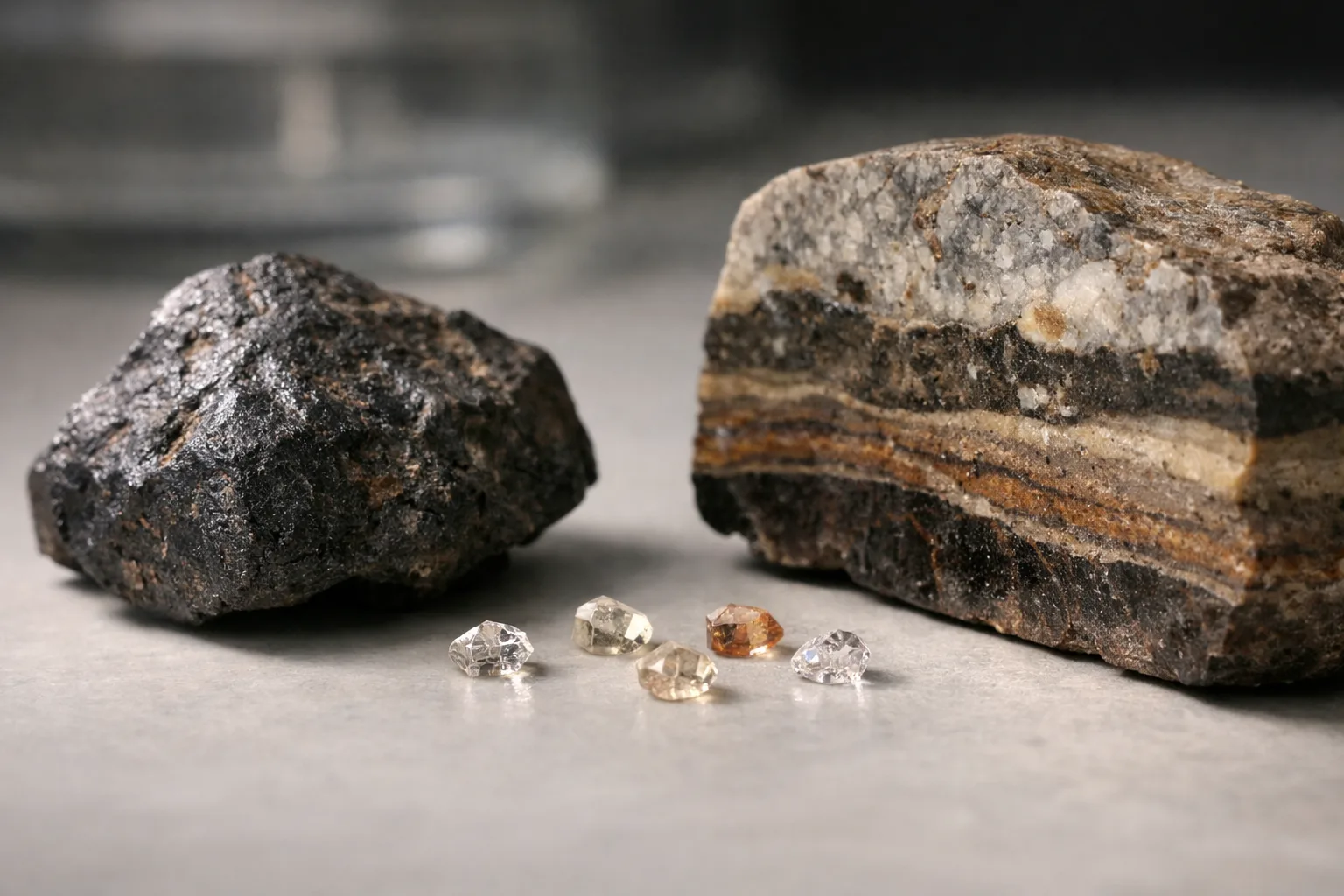
How Do Scientists Estimate the Age of the Earth?
Earth is about 4.54 billion years old. Scientists reached that estimate by dating meteorites and ancient minerals with the predictable decay of radioactive atoms.
Discover
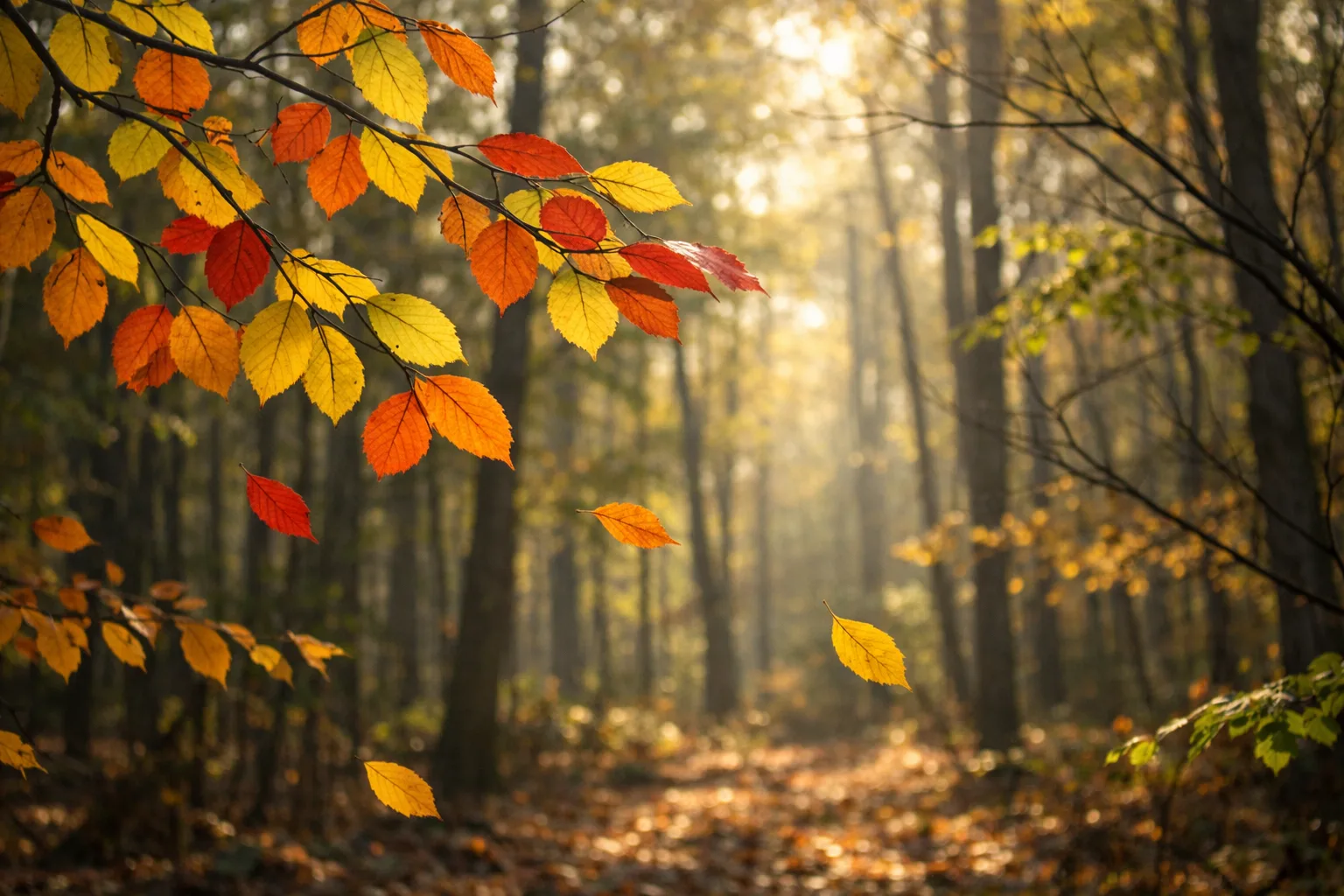
Why Do Leaves Change Color Before Falling in Autumn?
As autumn arrives, trees dismantle their green pigment, revealing hidden yellows and oranges—and sometimes making new reds—before leaves detach.
Discover
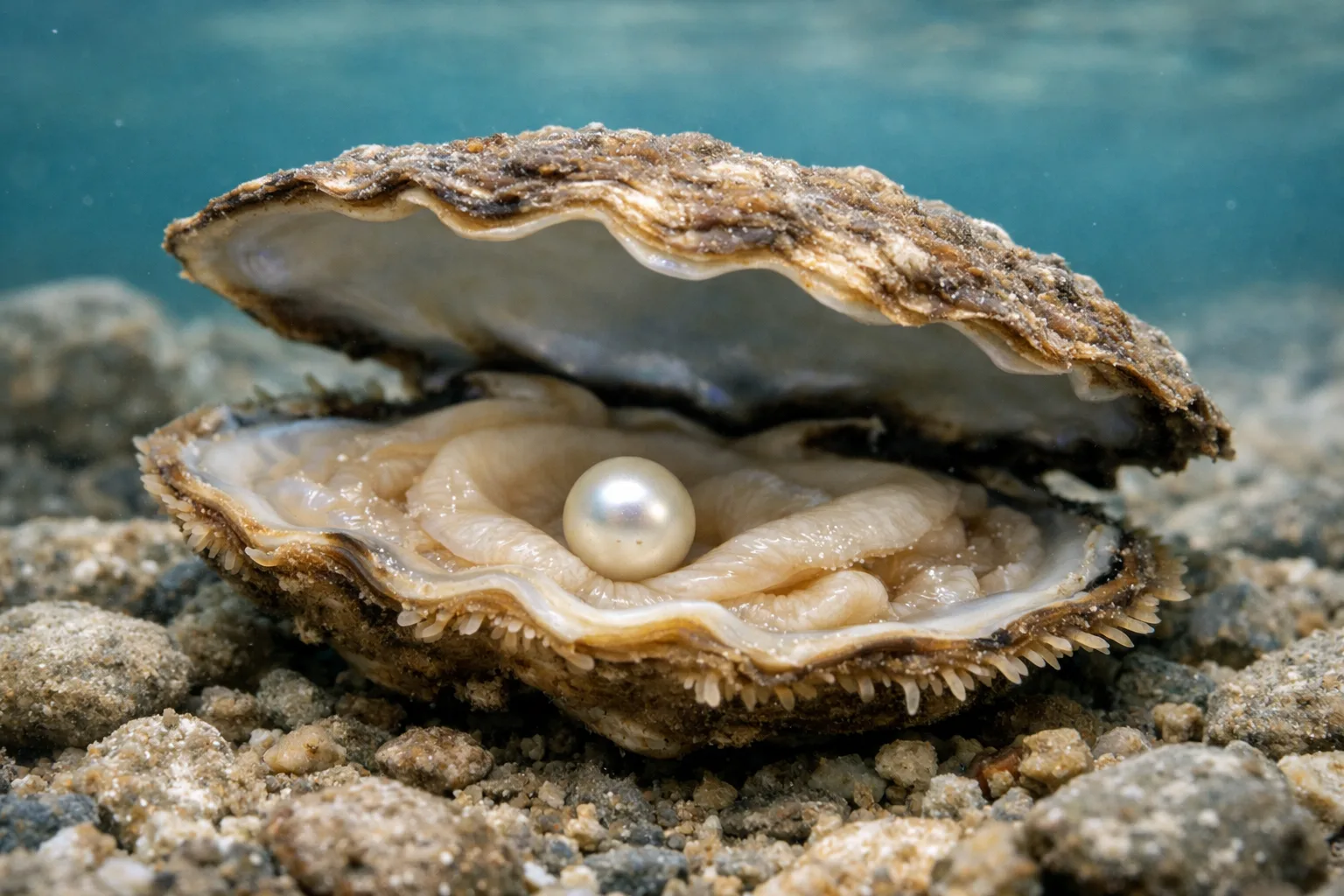
How Do Pearls Form Inside Oysters?
A pearl isn’t simply a grain of sand coated in shell. It forms when an oyster’s living tissue creates a pearl sac and layers of nacre around an irritant or nucleus.
Discover
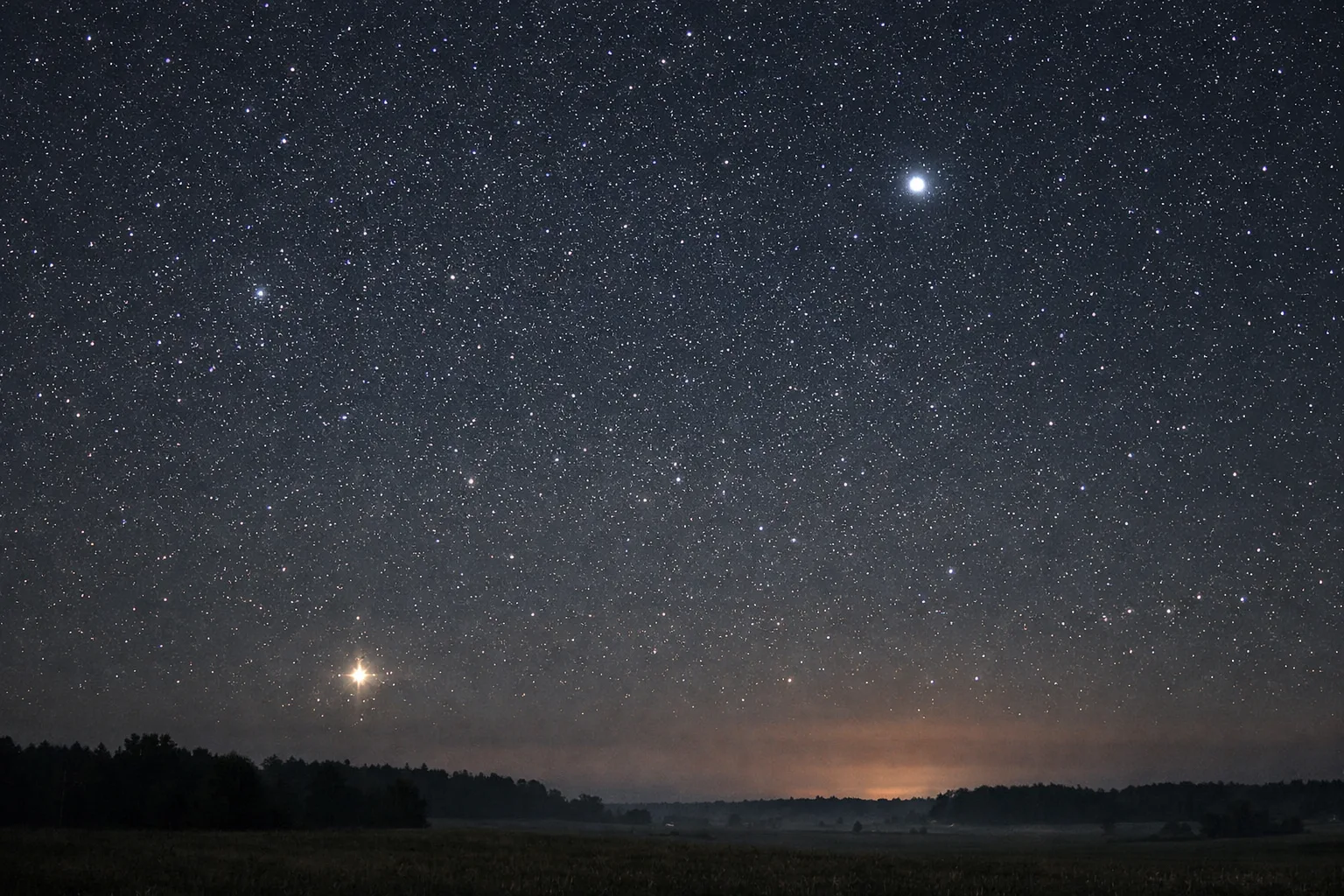
Why Do Stars Twinkle More Than Planets?
Stars look like they flicker while planets usually shine steadily. The difference comes down to their apparent size and the moving layers of Earth’s atmosphere.