How Caves Form: The Slow Work That Shapes Rock
By WowPebble Editorial
Caves form as water dissolves rock, waves carve coastlines, or lava drains from cooling flows. Discover how tiny cracks grow into underground passages.
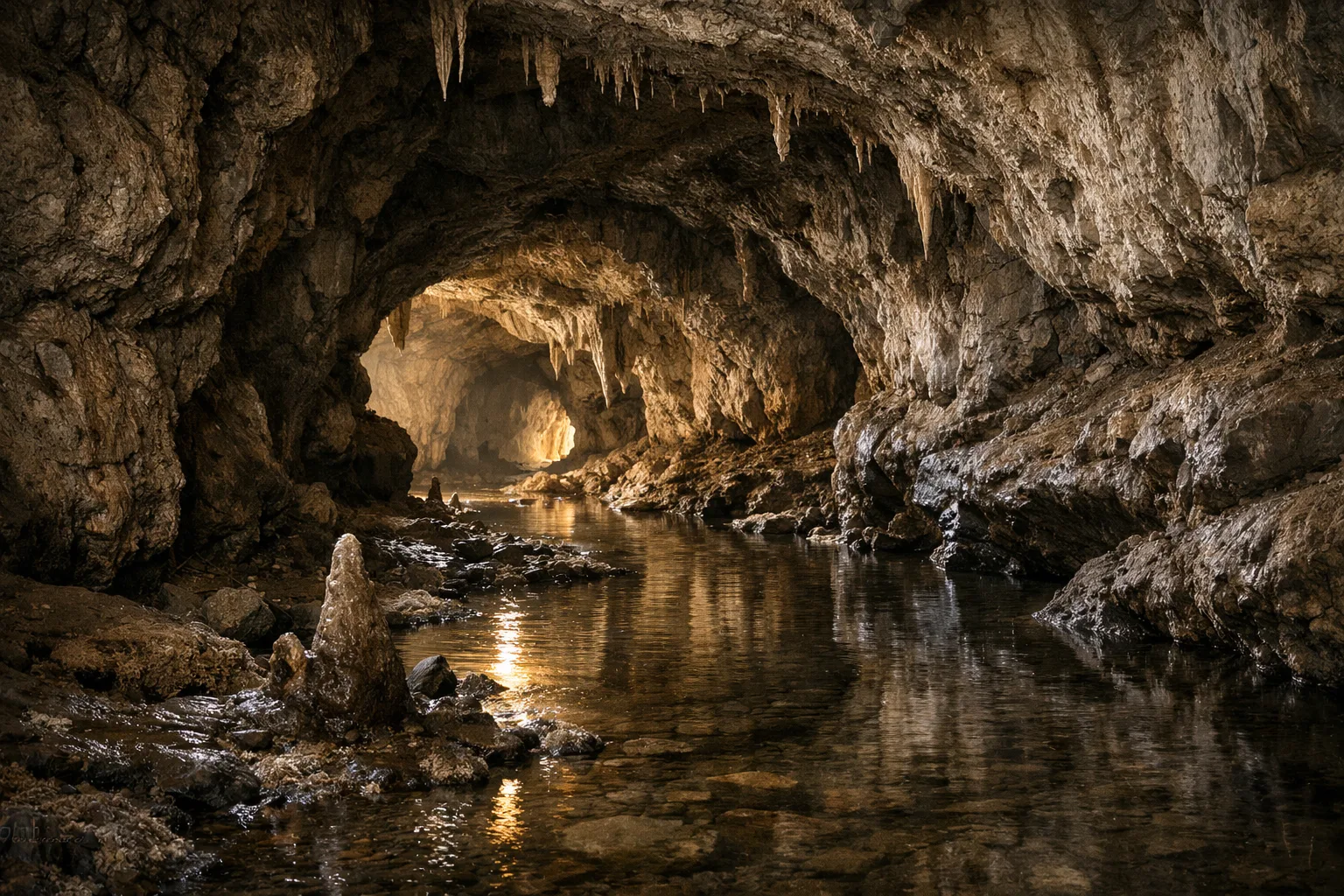
Caves form when natural processes remove rock or leave an open passage behind. The best-known kind often begins with slightly acidic water seeping into cracks in limestone: over time, the water dissolves the rock and enlarges those cracks into underground routes. But caves can also be carved by waves or left behind by flowing lava, so their shapes and origins vary.
How water opens a path through limestone
Rainwater becomes mildly acidic as it absorbs carbon dioxide from the air and soil. As this water moves through limestone, it reacts with calcite, a mineral in the rock, and gradually dissolves some of it.
The process starts along weaknesses such as joints, fractures and the boundaries between layers of rock. Water follows these routes, carrying dissolved minerals away. As the passages widen, more water can flow through them, further enlarging the openings. A narrow crack can develop into a network of chambers and tunnels, sometimes linked to underground streams or springs.
This kind of cave-forming process is called dissolution. It is especially associated with limestone, but water can also dissolve other rocks, including gypsum and salt. How quickly a cave grows depends on conditions such as the rock’s composition, the paths water can follow and how much water moves through them. There is no single timetable for cave formation.
Caves made by other processes
Not every cave is dissolved out by groundwater. Along some coasts, waves wear away weaker parts of cliffs, gradually forming sea caves. The shape and growth of these openings depend on the rock and the action of the water.
Volcanic caves can form in a different way. As lava flows, its outer surface may cool and harden while molten lava continues moving beneath it. If the lava drains away, it can leave a hollow tunnel known as a lava tube. Unlike a limestone cave, this passage is not created by rock dissolving; it is a space left by flowing, cooling lava.
These examples show why “cave” describes a kind of opening, not one single geological process. Water, waves and volcanic activity can each produce underground or cliffside spaces in rock.
How mineral formations grow inside caves
Cave-making and cave decoration are related but distinct processes. Water that has dissolved minerals in limestone can drip into an open cave. When conditions change, some dissolved material may be left behind as a mineral deposit, often calcite.
Over many drips, deposits can build downward from a ceiling as stalactites or upward from a floor as stalagmites. If the two eventually meet, they can form a column. These formations grow as material is added; they do not result from the same rock being carved away to make the passage.
Why cave shapes differ
A cave’s form reflects how it began and what happened afterward. In a limestone region, water may follow layers and fractures, producing winding passages. A lava tube reflects the route of a past lava flow. A sea cave records erosion along a coast. Some caves also change as water continues to move through them or deposits minerals inside.
The common thread is time and the steady influence of natural forces. A cave may begin with a tiny weakness in rock, but water, waves or lava can turn that opening into a space large enough to explore.
You might also like
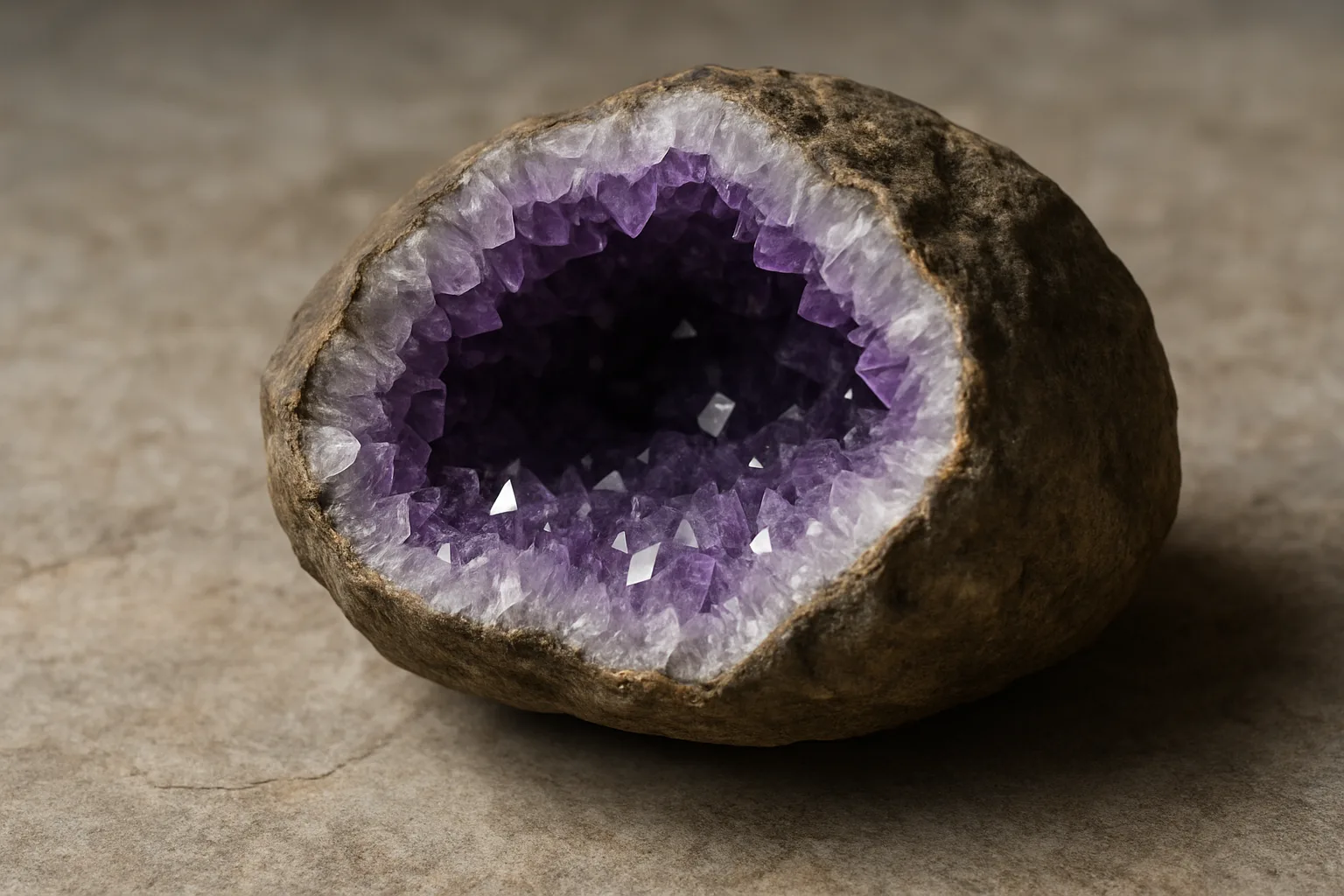
How Geodes Grow Their Crystal-Filled Interiors
A geode starts with a hidden cavity in rock. Mineral-rich water slowly deposits crystals along its walls, turning an ordinary-looking stone into a geological treasure.
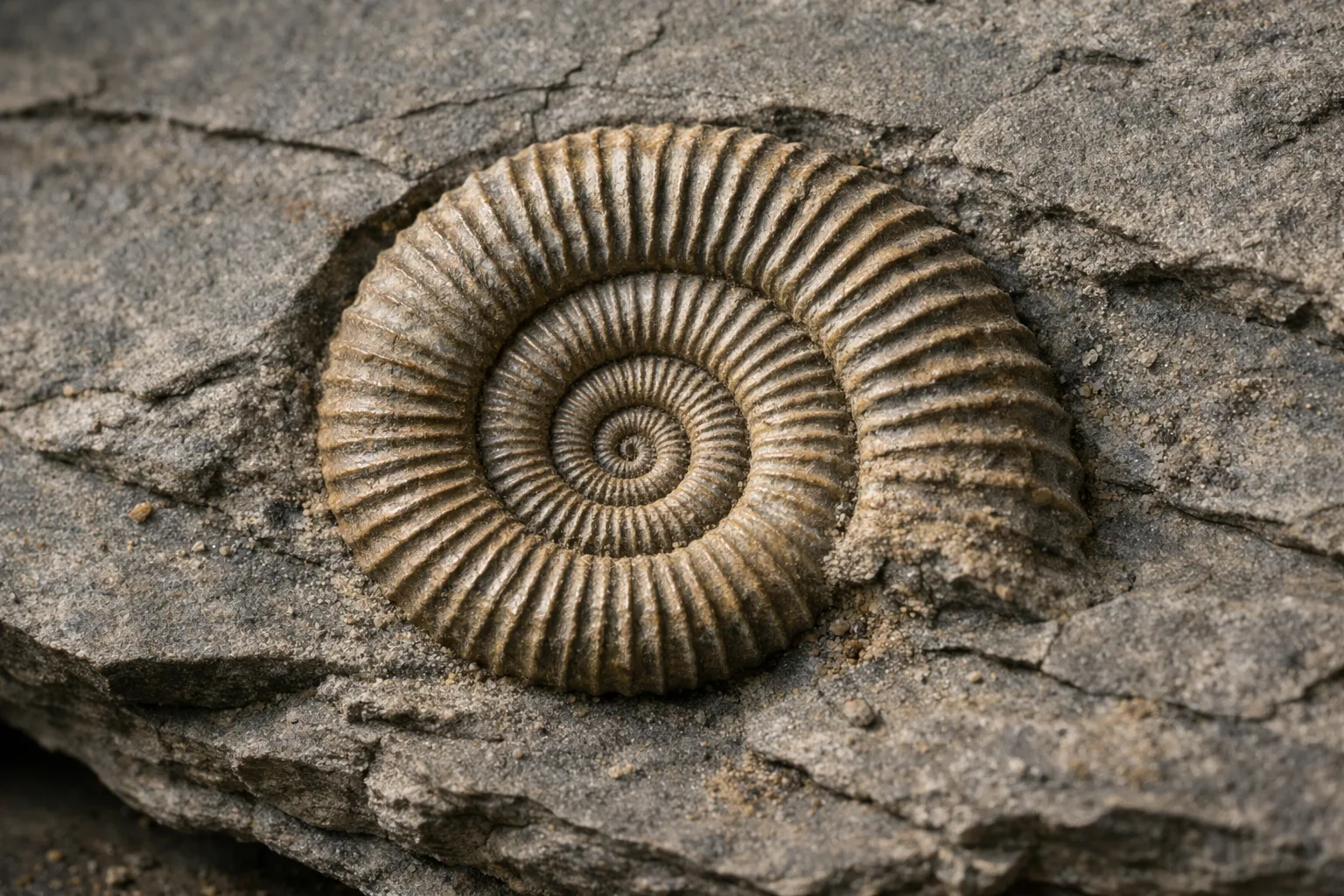
How Fossils Form: The Long Journey from Life to Stone
Fossils preserve more than bones. Learn how burial, minerals, and rare conditions can turn traces of ancient life into clues about Earth’s past.
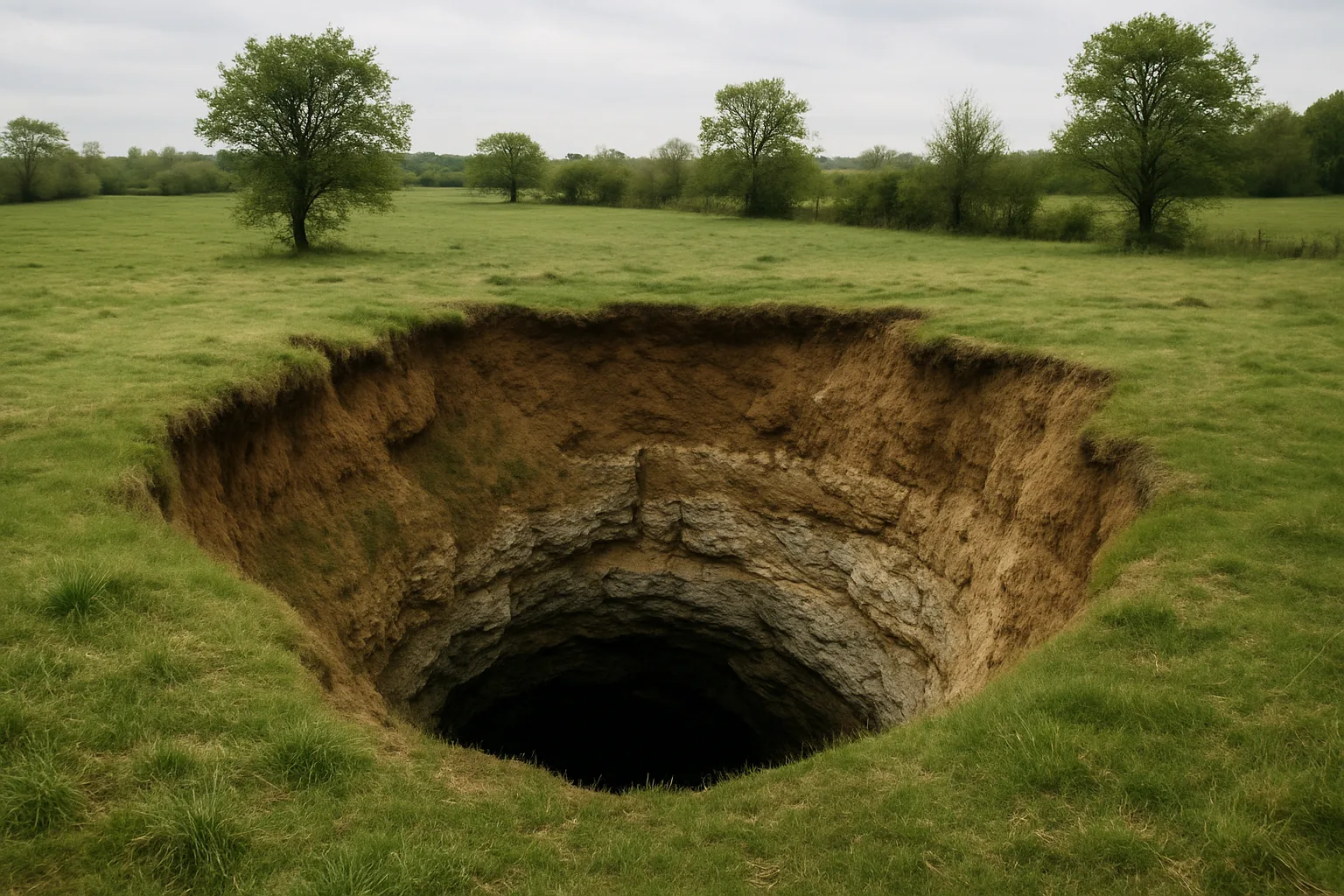
How Sinkholes Form—and Why Some Open Up Suddenly
Sinkholes can take years to develop beneath the surface, then appear in moments. Here’s what causes them, what can trigger a collapse, and how to stay safe.