Why Do Leaves Change Color Before Falling in Autumn?
By WowPebble Editorial
As autumn arrives, trees dismantle their green pigment, revealing hidden yellows and oranges—and sometimes making new reds—before leaves detach.
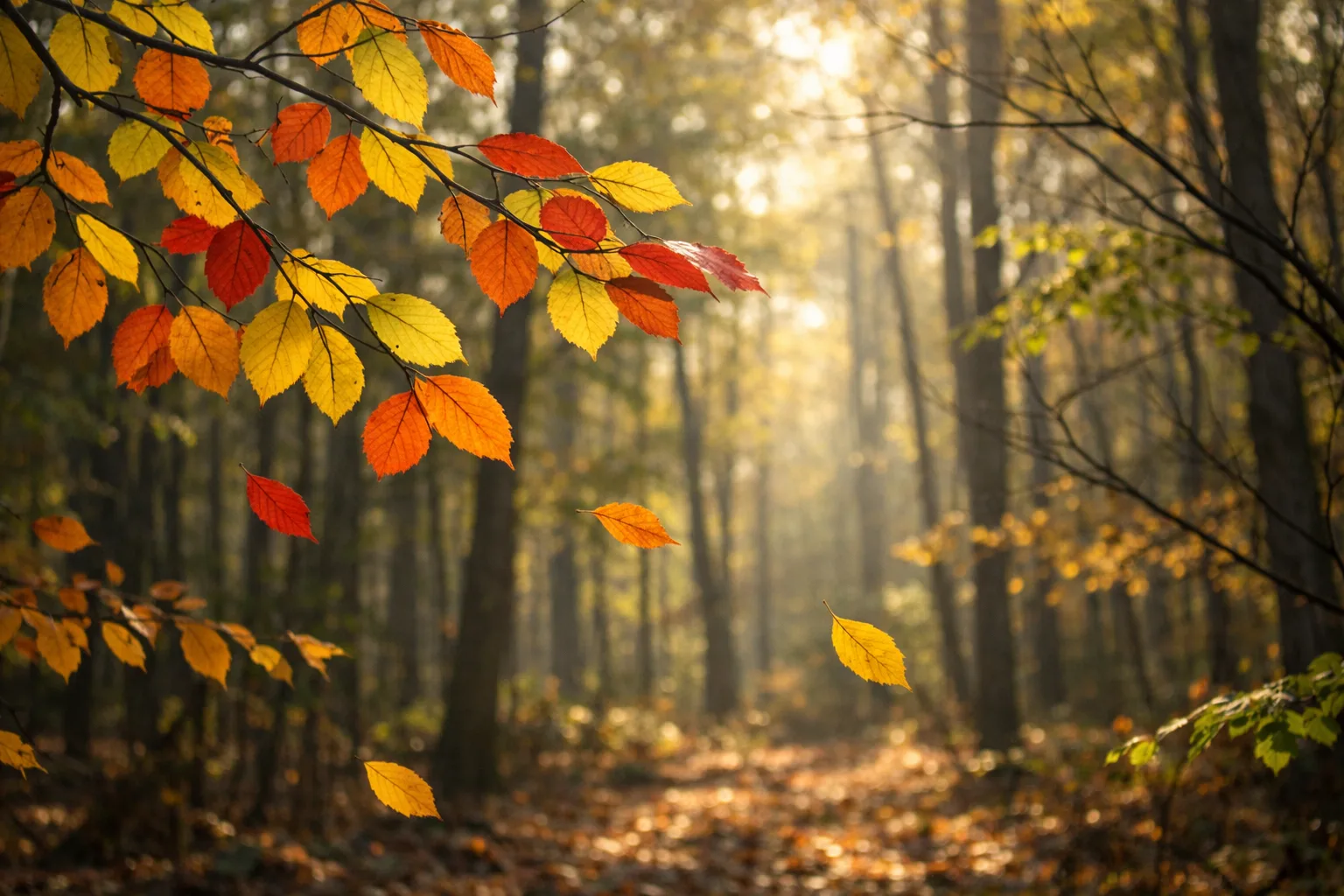
A tree’s autumn colors are more than a seasonal display: they mark a careful shutdown. As days shorten, many trees begin to break down the green pigment in their leaves while the leaves are still attached. This reveals other colors already there and, in some species, allows new red pigments to form. The leaf changes color as the tree prepares to reclaim useful nutrients and let it go.
That timing is the key to the mystery. Color change and leaf fall are parts of the same seasonal process, but they are not the same event. A leaf can glow yellow, orange, or red for days or weeks before it separates from the branch.
The green fades first
During spring and summer, leaves make food through photosynthesis. Chlorophyll, the pigment that gives them their green color, captures light energy for this process. Trees continually make and replace chlorophyll while conditions are favorable, so its green usually masks other pigments in the leaf.
As autumn brings shorter days, many deciduous trees begin to slow their growth and prepare for winter. The seasonal change in daylight is an important cue; temperature and weather also influence how quickly the process unfolds. The tree gradually stops replacing chlorophyll, and enzymes break down what remains.
The green fades, but the leaf does not instantly become bare or useless. While it is still connected to the tree, its remaining tissues can take part in the process of recovering nutrients. The change in color is one visible sign that this transition is underway.
Where yellow and orange come from
Yellow and orange pigments called carotenoids are already present in many leaves during the growing season. They help with photosynthesis and with handling excess light. When chlorophyll breaks down, these pigments become easier to see.
Different combinations and amounts of pigments produce different shades. Some leaves look bright yellow, while others turn gold or orange. The exact color depends partly on the tree species and the pigments in its leaves. That is why a birch and a maple can look strikingly different in the same autumn landscape.
Why some leaves turn red
Red and purple colors often come from anthocyanins, pigments that many trees produce in autumn rather than simply uncovering. In certain leaves, sugars remain after chlorophyll production slows. Under the right conditions, the tree can use those sugars to make anthocyanins.
Bright sunlight and cool, but not freezing, nights can favor vivid red colors. The result varies by species and by the weather in a particular year. Not every tree makes much anthocyanin, and even the same tree may show different colors from one autumn to another.
Scientists have proposed several possible benefits for autumn anthocyanins, including helping protect a leaf from intense light while the tree retrieves nutrients. Their role is not fully settled, and the reds should not be treated as a universal signal of one specific benefit. What is clear is that red pigments add a color that was not necessarily visible in the leaf earlier in the year.
Some leaves turn brown instead of bright yellow or red. Brown colors can result as chlorophyll and other pigments break down, leaving compounds such as tannins more prominent. A muted display is a normal part of autumn for many trees, not a failed version of a colorful one.
Why the leaf changes before it falls
Before a leaf detaches, the tree recovers some of the materials it can reuse. Nutrients such as nitrogen and phosphorus move out of the leaf and into other parts of the tree, where they can be stored for future growth. The leaf’s changing chemistry and color accompany this period of senescence—the gradual aging and shutdown of its tissues.
At the base of the leaf stem, a layer of cells develops that helps separate the leaf from the branch. As the connection weakens, the tree also forms a protective seal near the point where the leaf will break away. Eventually, wind, rain, or the leaf’s own weight can finish the job.
This sequence explains why leaves often color up while still hanging on. The tree needs time to wind down the leaf’s functions and recover some of its resources before the leaf is shed. Color is a visible consequence of that work, not a separate decoration the tree adds just before dropping its leaves.
What weather does to autumn color
Day length helps set the seasonal timetable, but local weather shapes the show. Bright days and cool nights can encourage strong reds in trees capable of making anthocyanins. Warm nights may reduce that effect. Drought, unusually hot conditions, or other stresses can cause leaves to lose color or fall earlier than usual.
Moisture matters, too. A tree under stress may not have the conditions for a long, vivid display. And because different species respond in different ways, a single weather pattern will not make every tree in a region change color at the same time.
These are tendencies, not guarantees. A colorful autumn depends on the tree, its growing conditions, and the sequence of weather it experiences. That is why the same familiar hillside can look different from year to year.
Why trees shed their leaves
For many broadleaf trees in regions with cold winters, dropping leaves is part of adapting to a season when water and favorable growing conditions are limited. Frozen ground can make it difficult for roots to replace water lost from leaves. Without leaves, a tree has less surface area through which to lose water. Shedding also means the tree does not have to keep fragile, broad leaves through winter weather.
Evergreens take a different approach. Their leaves are usually needles or other tough forms that can remain on the tree for more than one season. They still replace leaves over time, but they do not shed all of them together each autumn.
So the next time a leaf turns gold or red before drifting down, it is showing a tree in transition. Green pigment is fading, other colors are emerging, useful nutrients are being reclaimed, and a protective separation is forming. The brilliant pause between summer foliage and bare branches is part of how the tree gets ready for what comes next.
You might also like
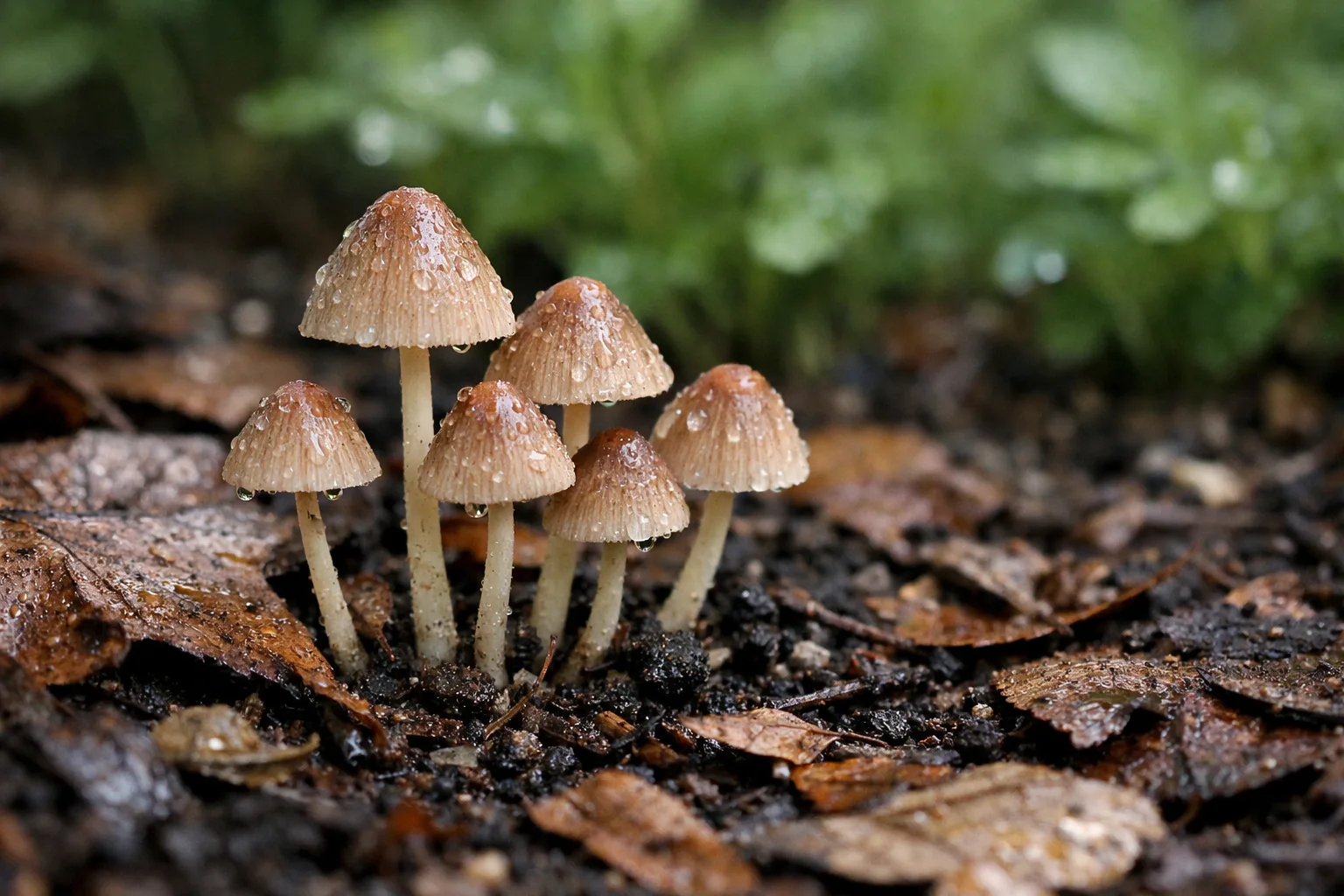
How Do Mushrooms Seem to Appear Overnight?
Mushrooms don’t grow from nothing in a single night. Their hidden fungal network can produce visible fruiting bodies quickly when conditions are right.
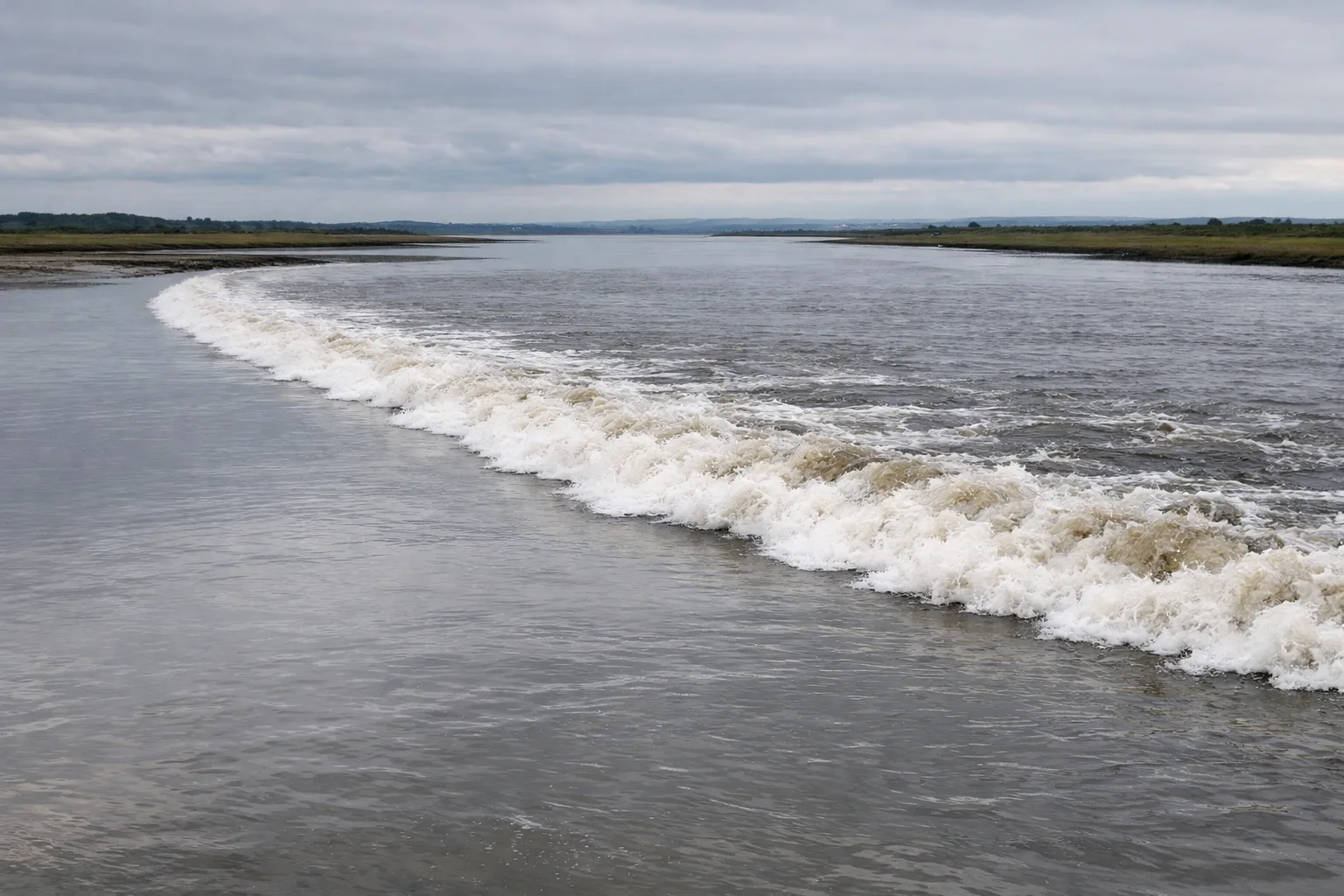
How Tidal Bores Send Waves Upstream
A tidal bore forms when a rising tide is funneled into a shallow river mouth, steepening into a moving front that can surge against the river’s flow.
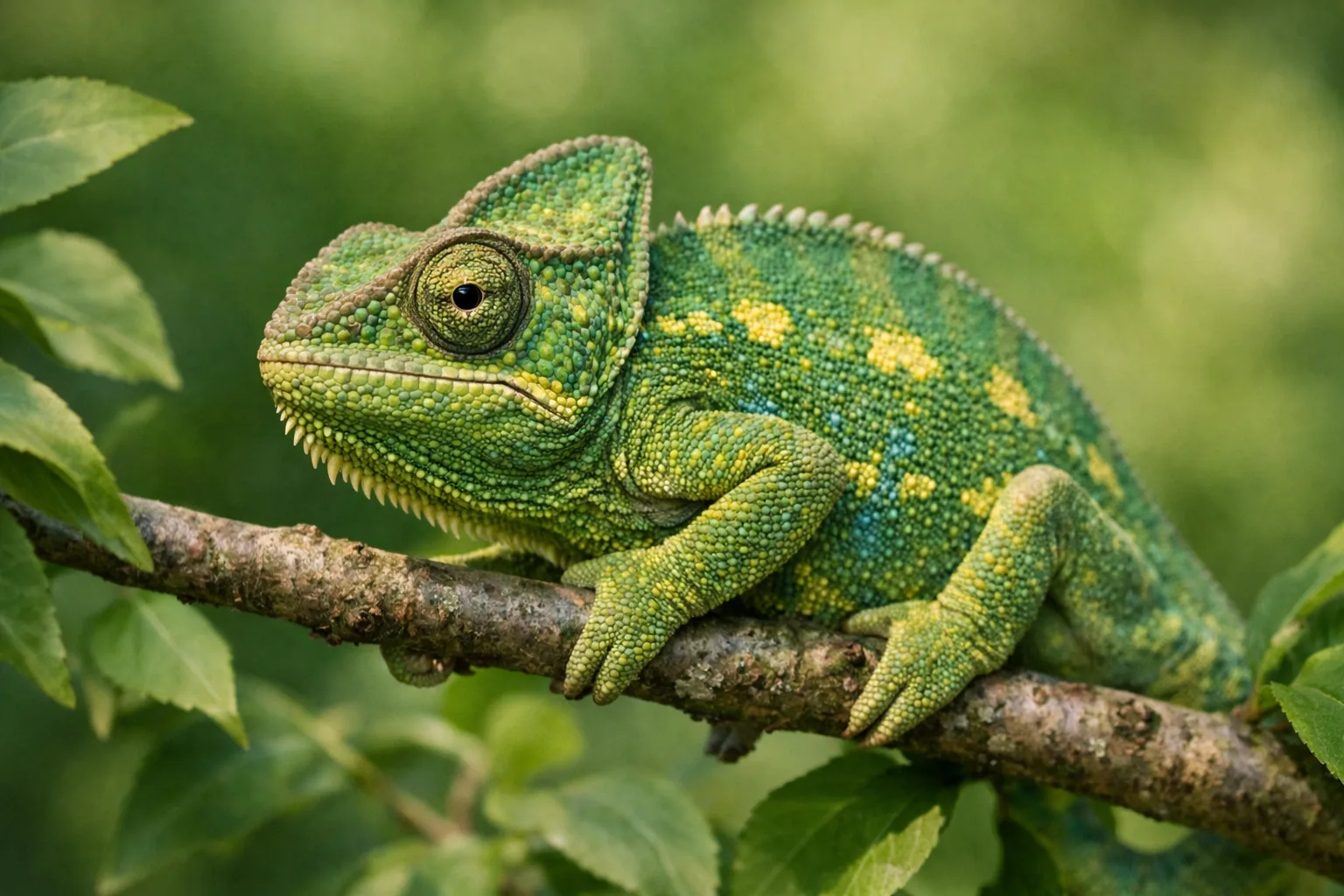
Why Chameleons Change Color—and What the Colors Signal
Chameleons change color to communicate, respond to temperature and light, and sometimes blend in. Their shifting shades come from both pigments and remarkable skin cells.