Why Chameleons Change Color—and What the Colors Signal
By WowPebble Editorial
Chameleons change color to communicate, respond to temperature and light, and sometimes blend in. Their shifting shades come from both pigments and remarkable skin cells.
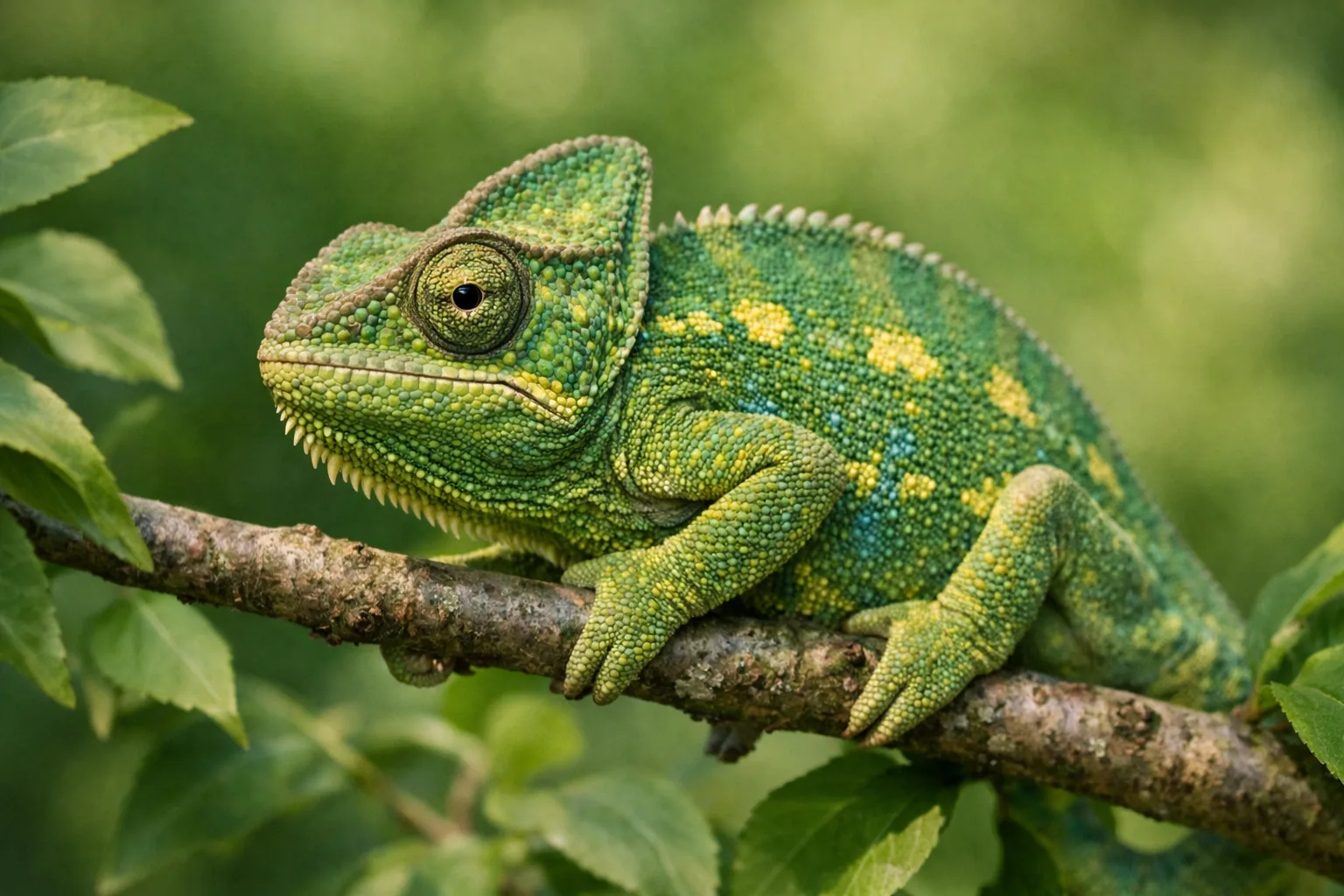
Chameleons change color mainly to communicate with other chameleons and respond to conditions such as temperature and light—not simply to copy whatever background they are on. Their changing shades can signal rivalry, courtship, or stress, but a color’s meaning depends on the species and situation. The shifts happen through a combination of pigment and specialized skin cells that reflect light.
How a chameleon’s skin changes color
A chameleon’s skin has layers of cells that affect how light appears. Some contain pigment, which absorbs or filters particular wavelengths. Others, called iridophores, contain tiny structures that reflect light.
In many chameleons, the spacing of microscopic crystals inside iridophores can change. Different spacing reflects different wavelengths, shifting the visible color. Pigments and other layers of skin affect how that reflected light looks. So a color change is not just dye moving around: it involves the skin changing how it reflects and absorbs light.
The result is a range of colors and patterns, not an instant ability to turn any color or perfectly match any surface. A chameleon’s species, age, sex, and natural coloring all affect what shades it can show.
Colors can act as social signals
Color is part of how chameleons communicate. In many species, males become brighter or show stronger patterns during courtship or when facing a rival. Those displays can make an animal more conspicuous to another chameleon, rather than helping it hide. Females of some species also change color in ways related to whether they are receptive to mating. The patterns and their meanings vary, so there is no universal color code that applies to every chameleon.
Color can also reflect stress or agitation. A chameleon may show a different or darker pattern when disturbed, but color alone does not reveal exactly what it is experiencing. The same shade can have different meanings in different circumstances; behavior and context matter too.
Temperature, light, and camouflage
Color shifts can help with temperature regulation. Darker skin absorbs more sunlight, which may help a chameleon warm up. Lighter coloring reflects more light and can help limit heat absorption. The effect depends on the conditions: changing color is not a substitute for the animal’s other ways of regulating its body temperature.
Camouflage can be useful, but it is only one part of the story. A chameleon’s ordinary coloration may help it blend into its surroundings, and color changes can alter how noticeable it is. But the idea that chameleons change color chiefly to match a background misses their role in communication and responses to their environment.
What a color can—and cannot—tell you
A chameleon’s color is a clue, not a simple translation. A vivid display may be connected to courtship or a confrontation; a change in shade may relate to temperature, lighting, or disturbance. To interpret it, you need to know which species you are looking at and what else is happening.
In short, chameleons change color because their skin can actively alter its appearance. The colors help them interact with other chameleons and respond to their surroundings, while also sometimes aiding camouflage. They do not carry one fixed meaning, and they are not a reliable stand-alone guide to an animal’s mood.
You might also like
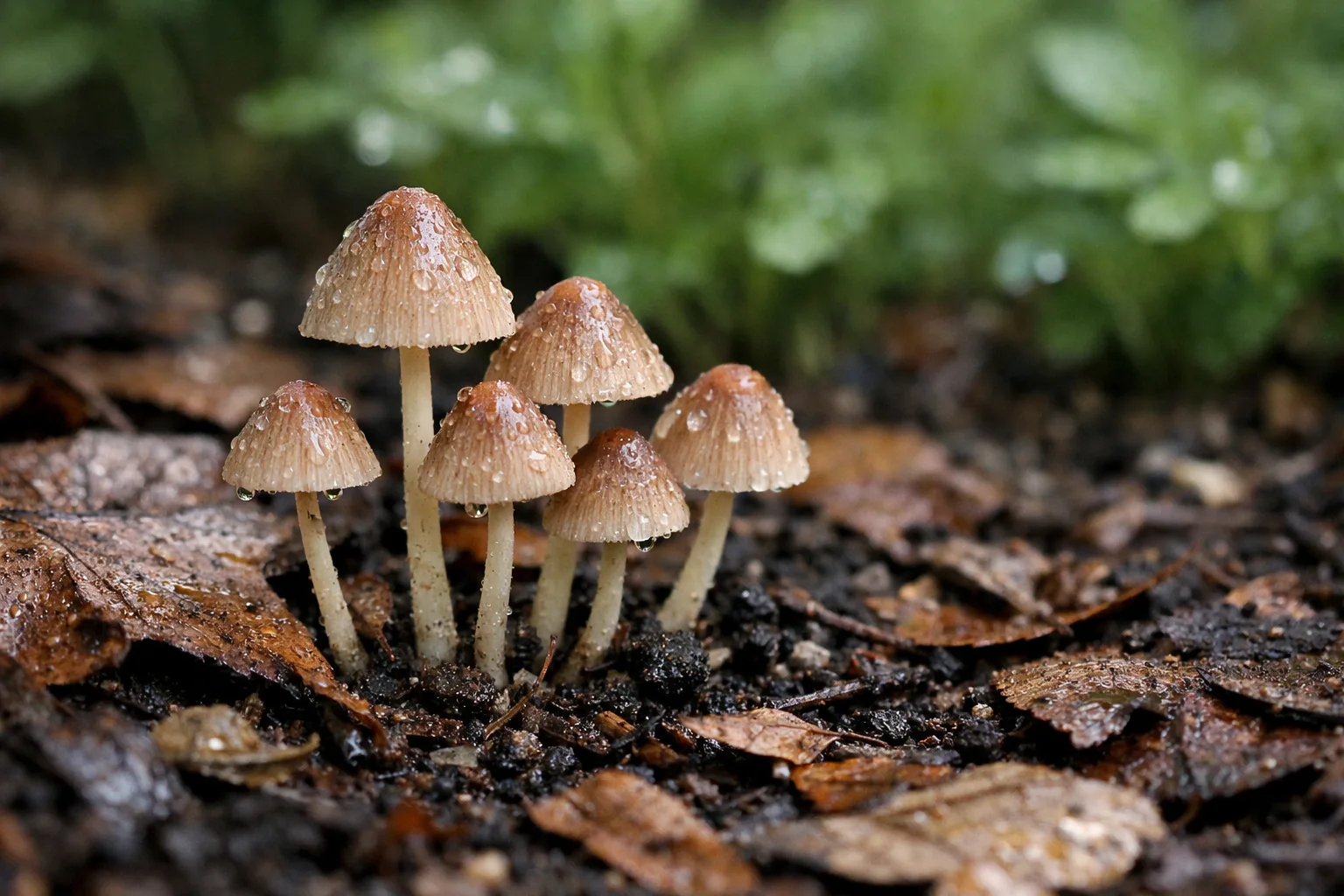
How Do Mushrooms Seem to Appear Overnight?
Mushrooms don’t grow from nothing in a single night. Their hidden fungal network can produce visible fruiting bodies quickly when conditions are right.

How Tidal Bores Send Waves Upstream
A tidal bore forms when a rising tide is funneled into a shallow river mouth, steepening into a moving front that can surge against the river’s flow.

Why Popcorn Pops Into a Light, Fluffy Shape
A popcorn kernel turns fluffy when trapped moisture builds pressure, then bursts through its hull and expands the softened starch into a porous foam.