Explore
Curious
Surprising facts, unusual stories and fascinating things.
Curious
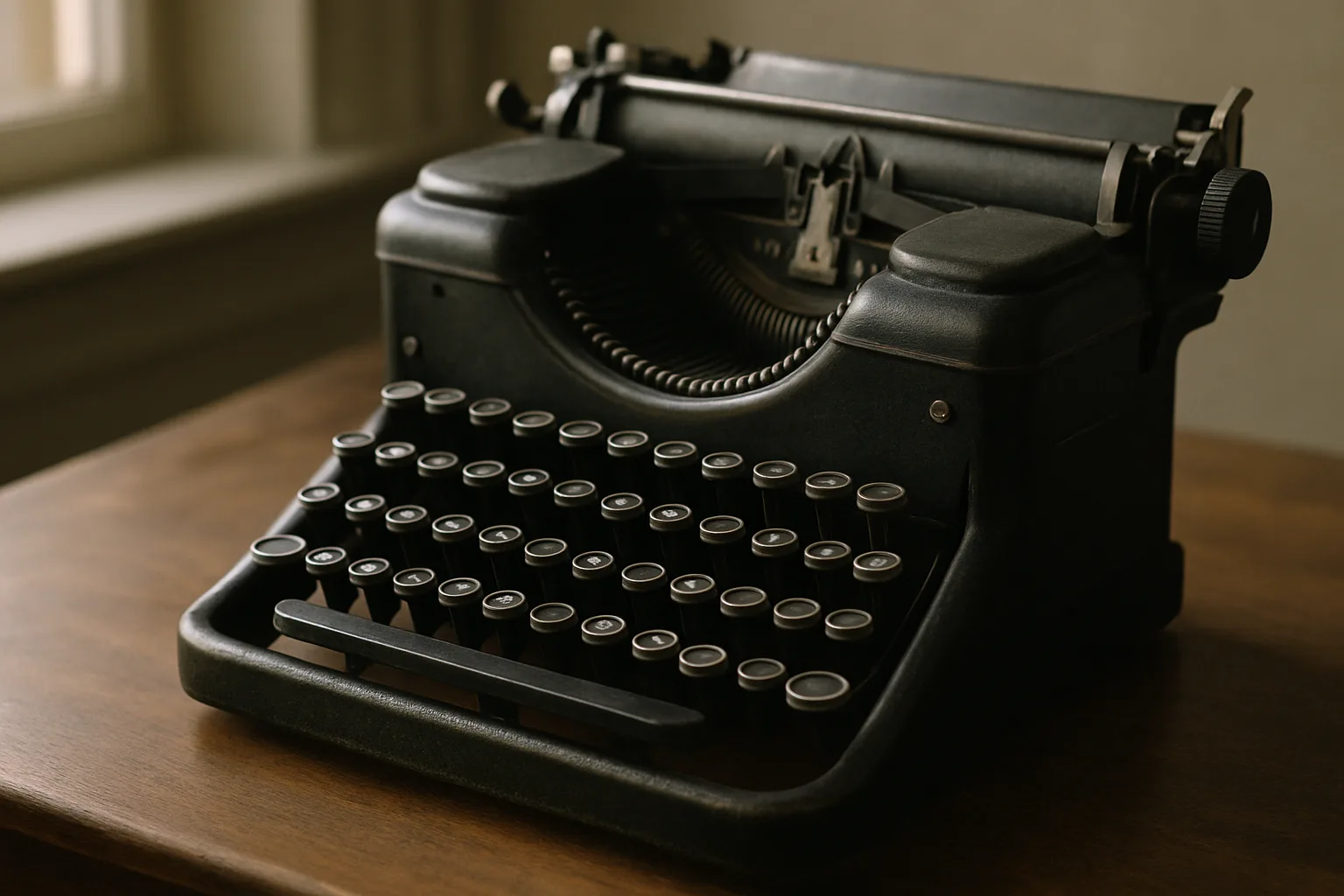
Why Are Keyboard Letters Arranged in the QWERTY Layout?
QWERTY began with the early typewriter, but its staying power has more to do with familiarity and shared standards than with a perfect key arrangement.
Curious
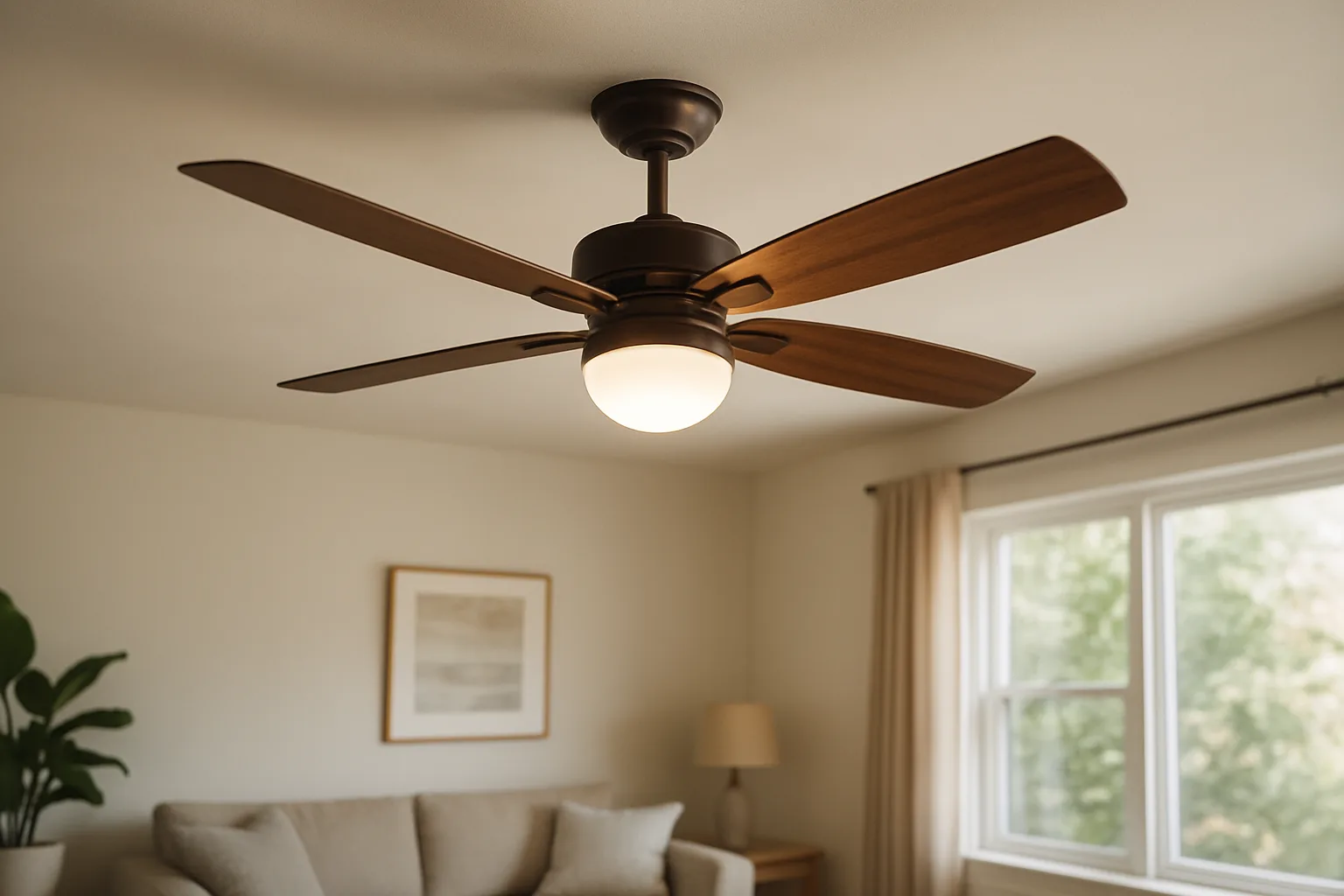
Why Do Ceiling Fans Have a Reverse Switch? The Seasonal Science
A ceiling fan's reverse switch changes how air moves through a room. Used in the right season, it can make you feel more comfortable without changing the thermostat.

Curious
Why Do Some Bridges Have Gaps Between Their Sections?
Those bumps and seams on a bridge have a job: they let the structure move safely as temperatures change, traffic passes, and materials slowly shift.

Curious
Why Do Wine Bottles Have an Indent in the Bottom?
The dip in a wine bottle is called a punt. Learn which design questions it raises and why its depth alone does not establish the wine's quality or bottle history.
Curious
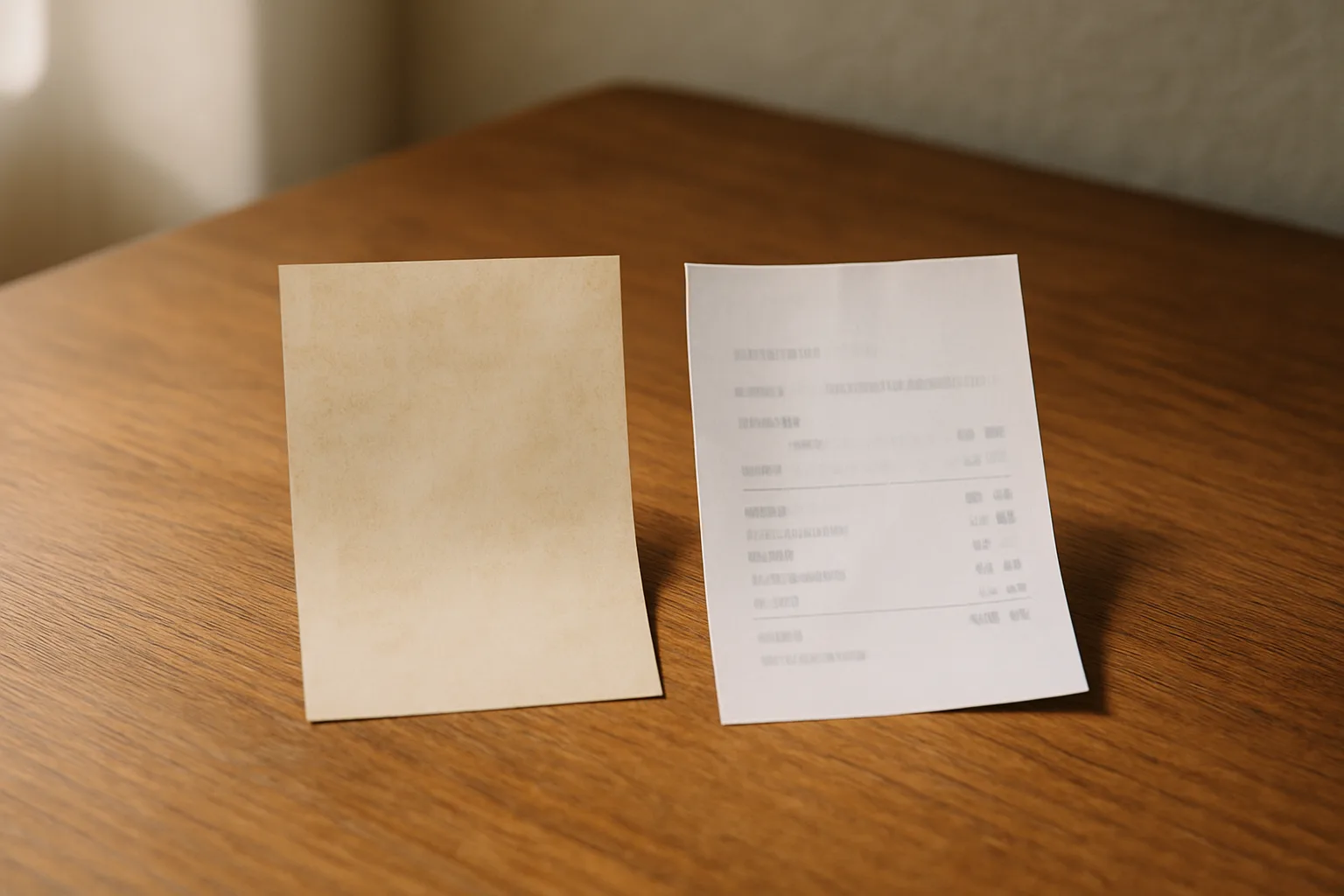
Why Do Thermal Paper Receipts Fade Over Time?
A thermal receipt relies on a heat-sensitive image rather than ordinary ink. Heat, light, contact and storage conditions can alter its readability over time.
Curious
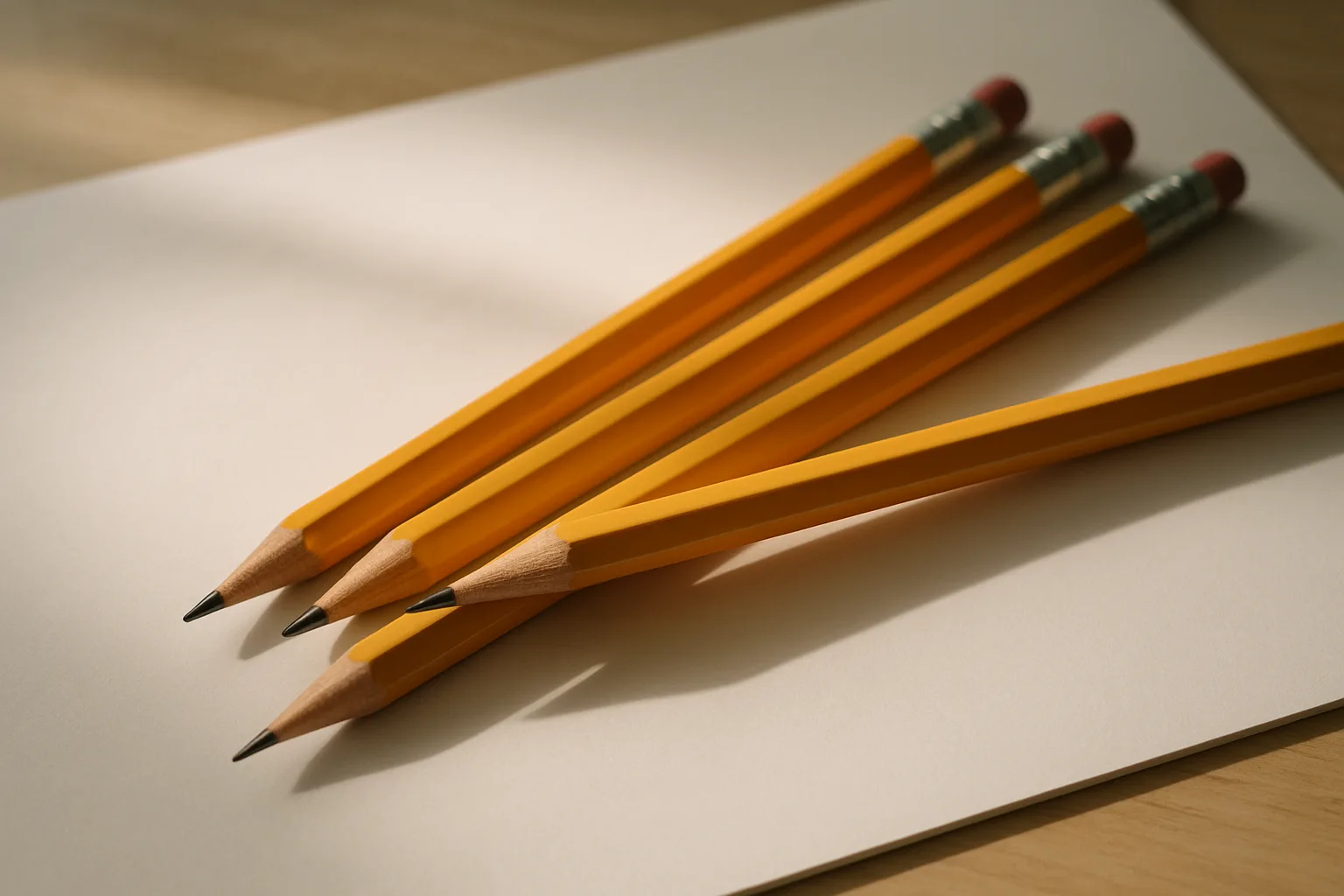
Why Are So Many Pencils Painted Yellow?
KOH-I-NOOR's dated yellow 1500 pencil is one documented example of the familiar colour. Its history does not explain every maker or identify a lead grade.
Curious
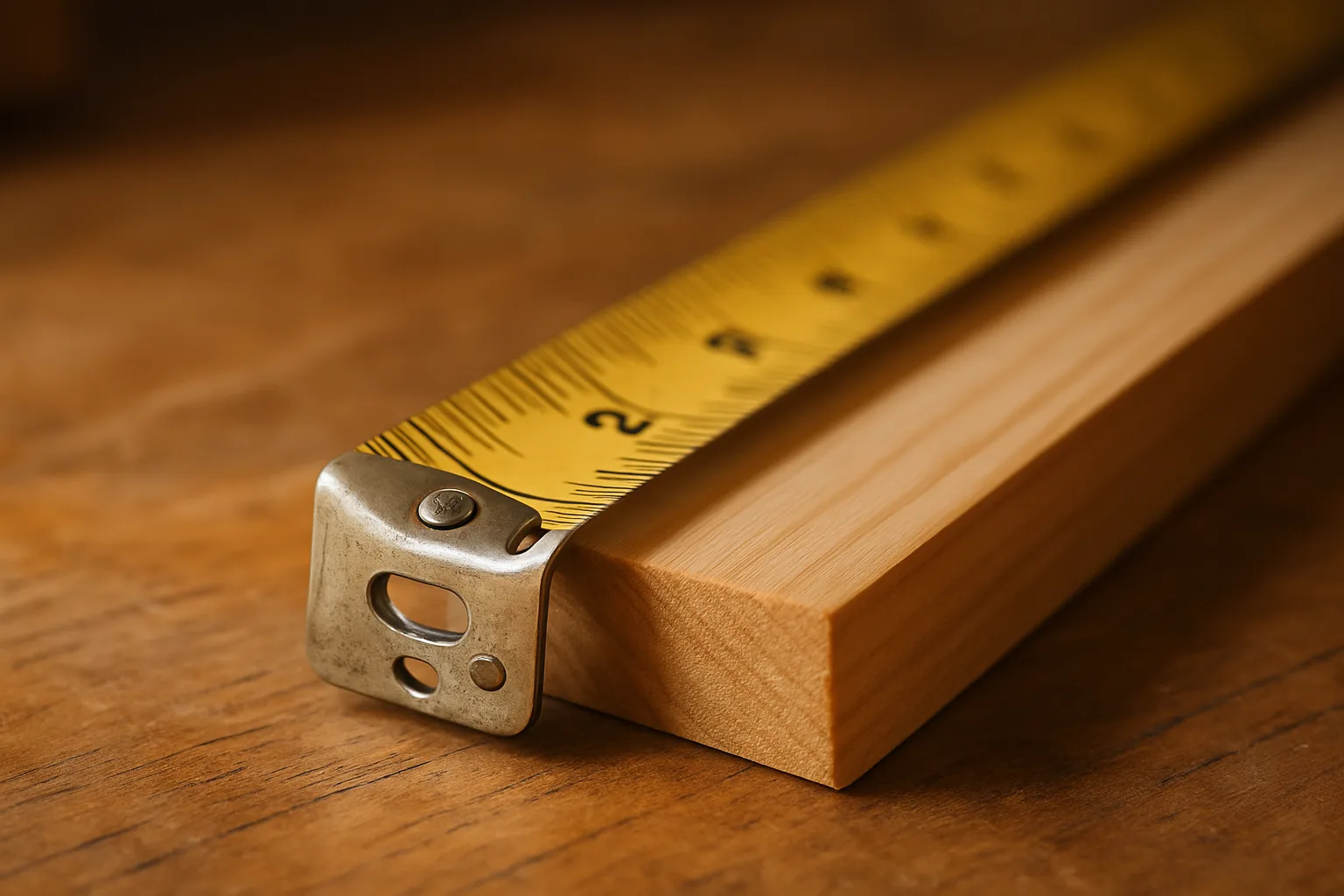
Why Does a Tape Measure’s Metal Hook Wiggle?
That loose-looking hook at the end of a tape measure is doing an important job: shifting to compensate for its own thickness, so measurements stay accurate.

Curious
Why Do Golf Balls Have Dimples? The Science Behind Their Flight
Golf-ball dimples are more than decoration: they help air flow around the ball, cutting drag and making its flight longer and more controllable.
Curious
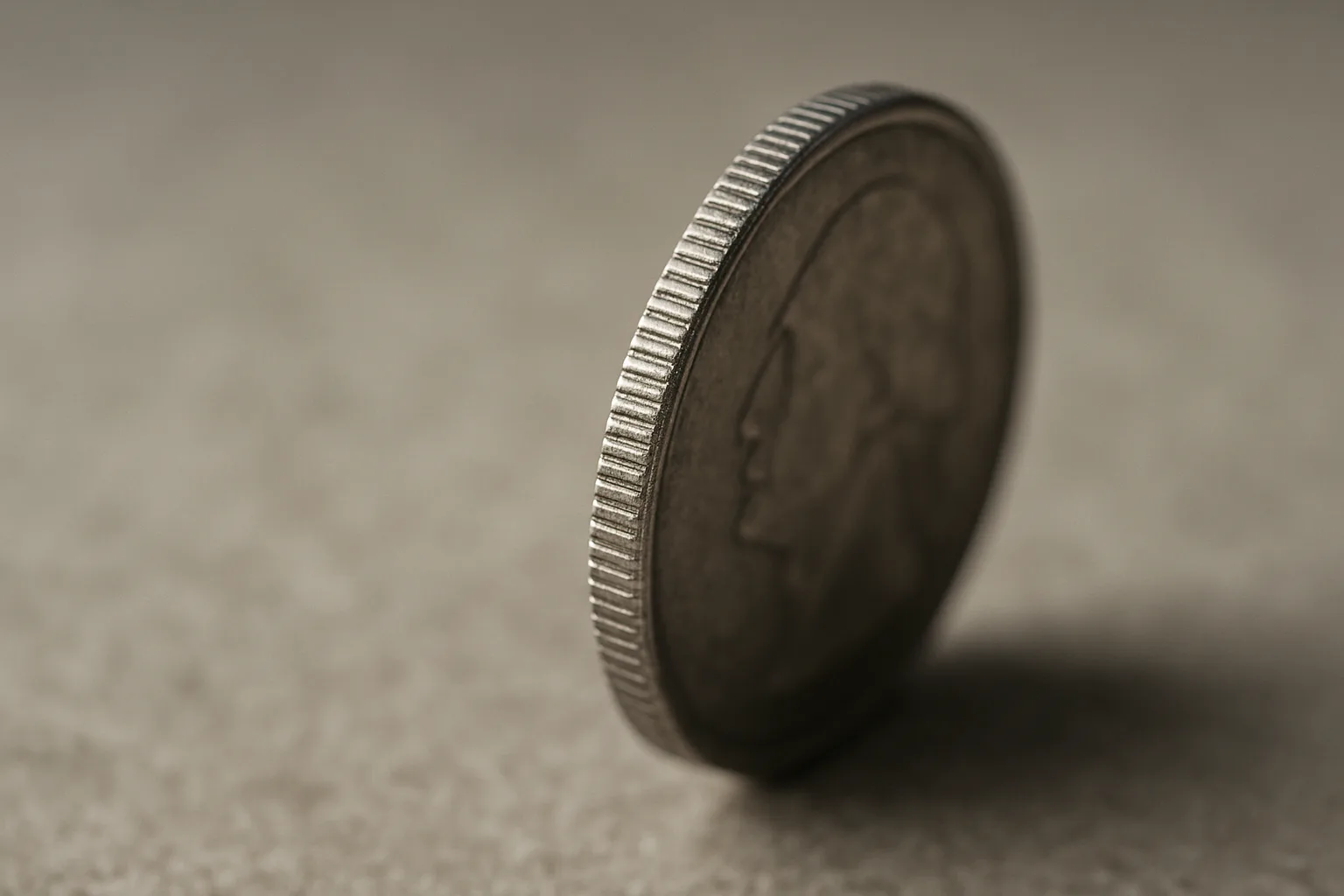
Why Do Coins Have Ridges Around Their Edges?
The ridges on a coin are more than decoration. They helped expose valuable metal being shaved off—and still make coins easier to identify and check.
Curious
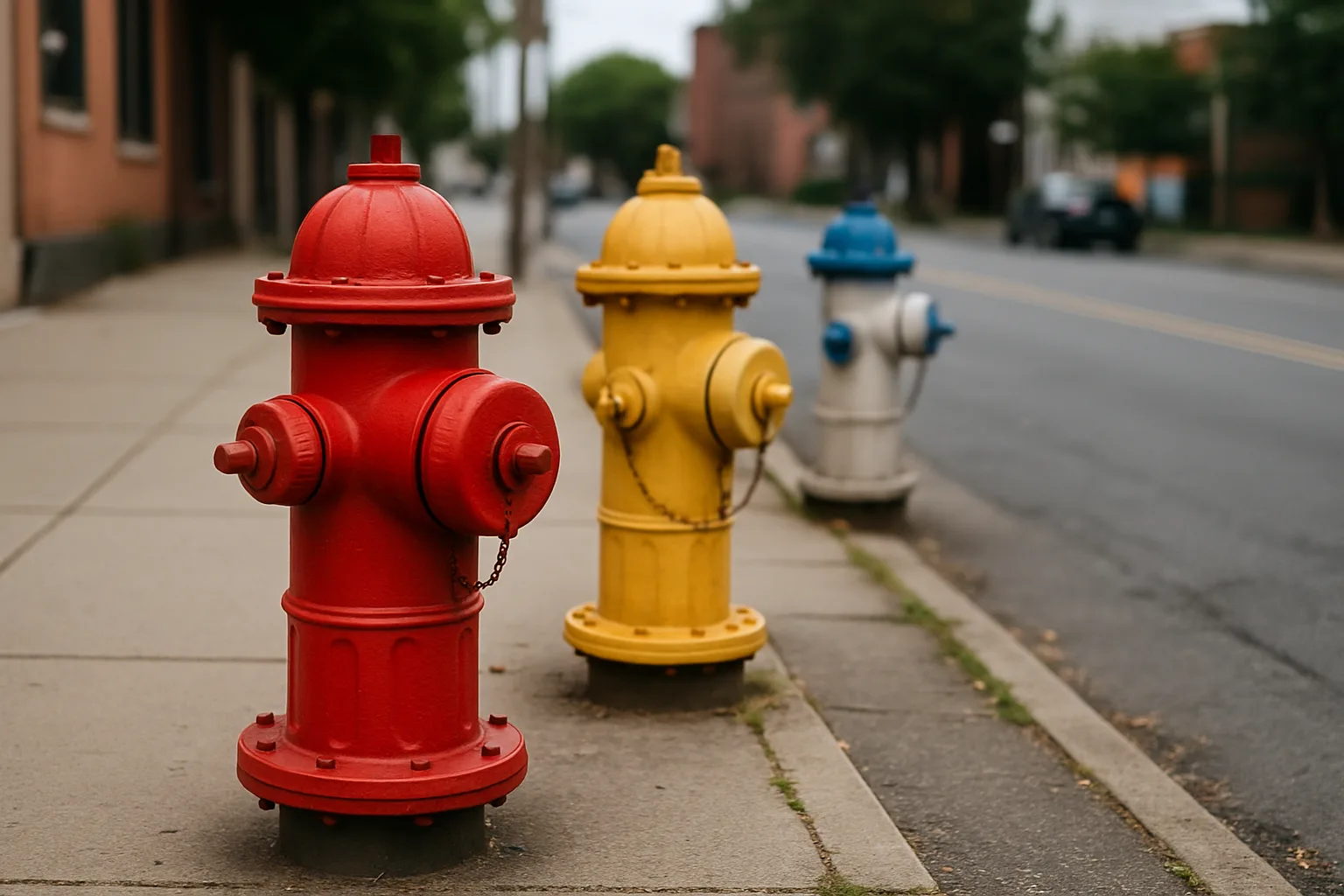
Why Fire Hydrants Come in Different Colors
A hydrant’s color can help firefighters judge water supply, flow capacity, or ownership—but there’s no single color code used everywhere.
Curious
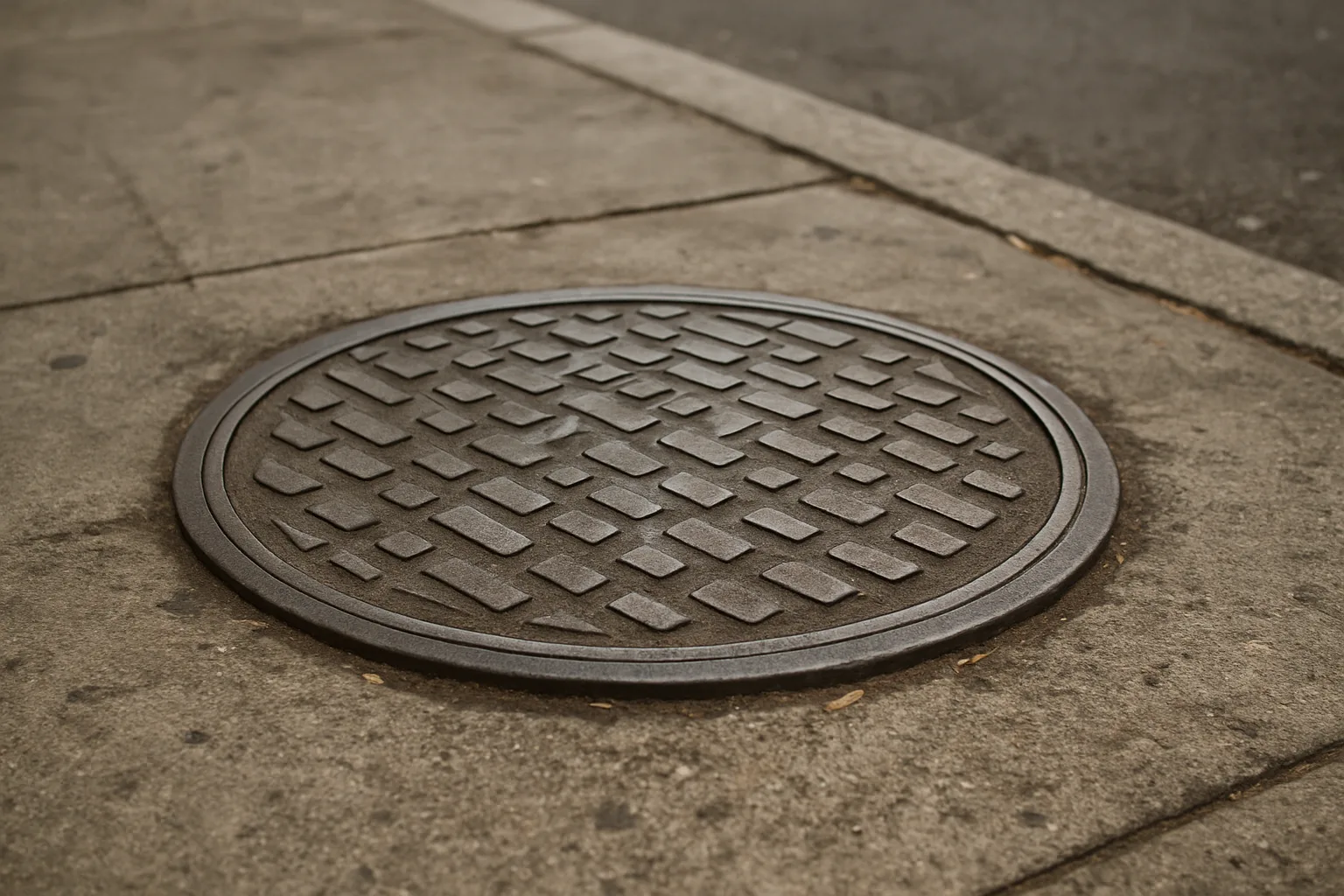
Why Are Manhole Covers Round? The Clever Logic Beneath the Street
Round manhole covers are more than a familiar street detail. Their shape helps keep them from dropping through openings and makes them easier to handle.
Curious
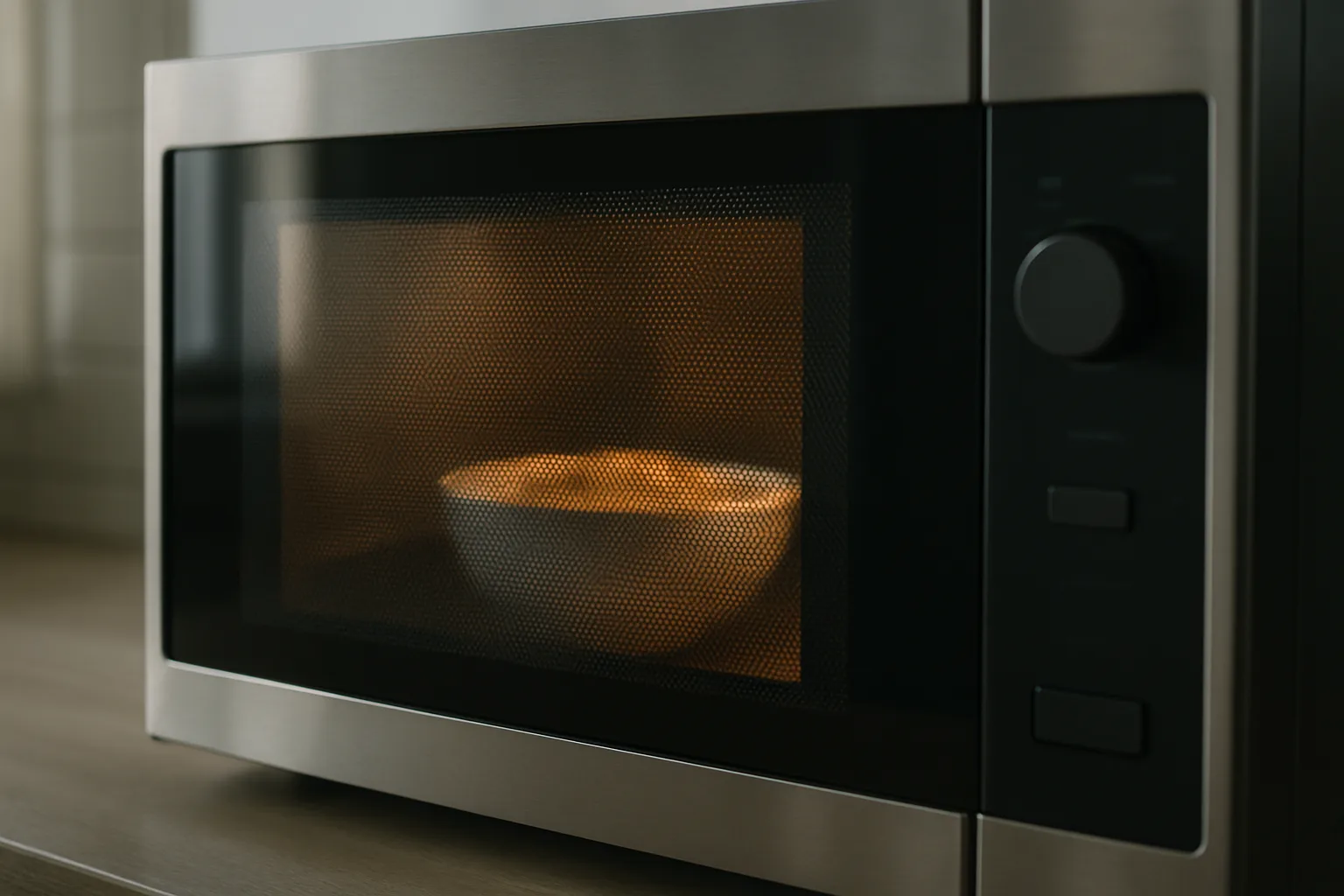
Why Microwave Doors Have That Tiny Black Mesh
The metal mesh in a microwave door helps contain cooking radiation while letting visible light through. Learn its role and when door damage needs attention.