Why Do Ceiling Fans Have a Reverse Switch? The Seasonal Science
By WowPebble Editorial
A ceiling fan's reverse switch changes how air moves through a room. Used in the right season, it can make you feel more comfortable without changing the thermostat.
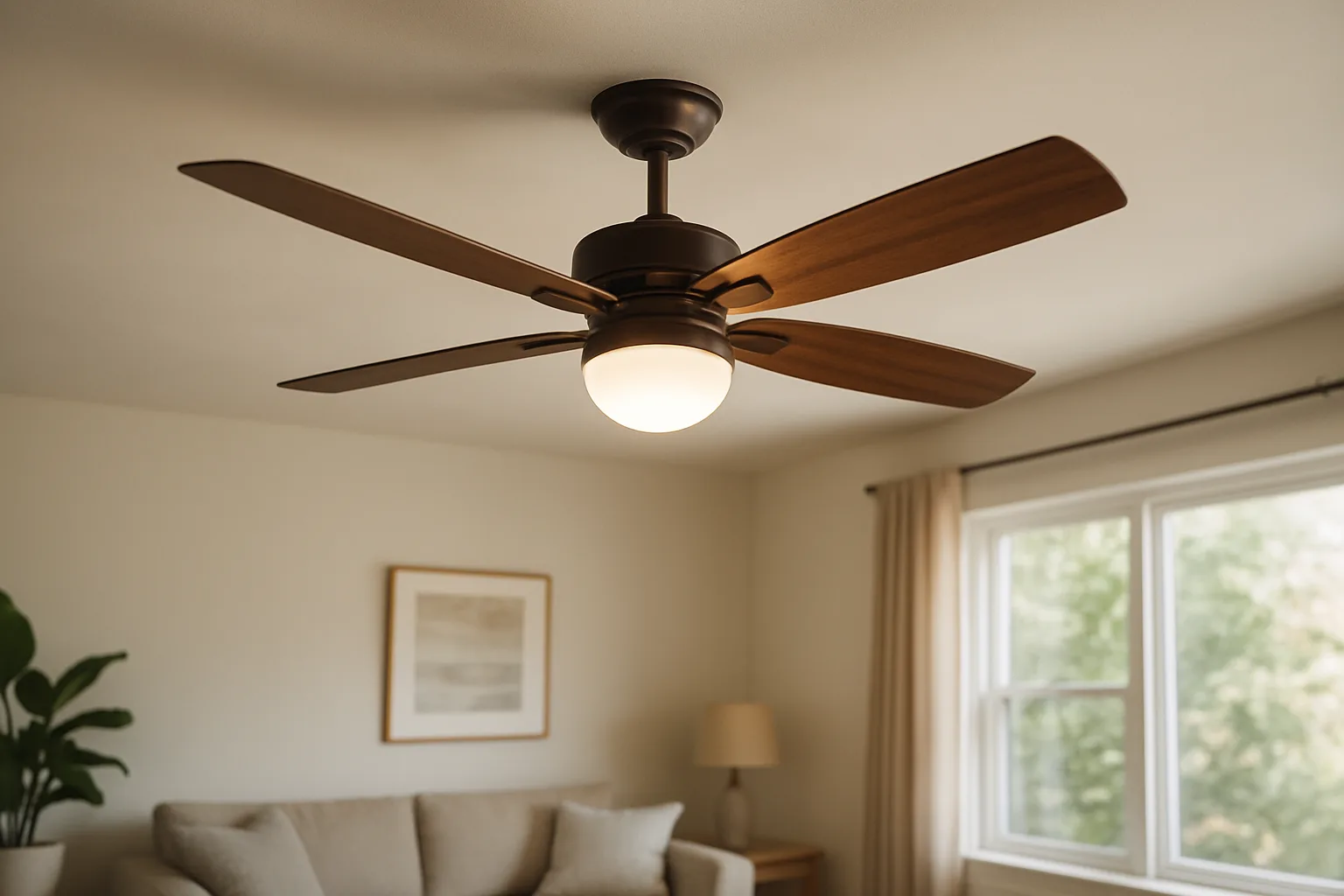
A ceiling fan does not cool a room the way an air conditioner does. Instead, it changes how air moves around you—and a reverse switch lets it do that in two different ways. In warm weather, the fan can send air downward to create a cooling breeze. In cooler weather, it can gently circulate warm air that collects near the ceiling.
That small switch is useful because comfort depends not only on a room’s temperature, but also on how heat and air are distributed through it. Here’s what the reverse setting does, when to use it, and how to tell which direction is right for your fan.
What the reverse switch actually changes
The reverse switch changes the direction in which the fan motor turns, which changes the direction of the blades’ rotation. Because ceiling fan blades are angled, reversing their rotation changes the way they move air.
On many fans, the switch is a small slider on the motor housing. Other models use a remote control, a wall control, or an app. The location and controls vary, so check the manual if you cannot find the setting.
The switch does not make the fan produce warm or cold air. It changes the airflow pattern, allowing the same fan to serve different purposes in different seasons.
Why a fan feels cooling in summer
In warm weather, a ceiling fan is usually set to rotate counterclockwise when viewed from below. The blades push air down, creating a breeze across people in the room.
That moving air helps sweat evaporate from your skin, which makes you feel cooler. It does not lower the room’s actual temperature; it changes how quickly your body loses heat. This is why a fan can make a room feel more comfortable even when a thermometer reading stays the same.
If you stand beneath a fan and feel a noticeable downward breeze, it is likely set for warm-weather use. If the fan is not creating the effect you want, check its direction and speed. A faster setting generally creates a stronger breeze, while a slower one produces gentler airflow.
Why reverse it in winter?
Warm air rises, so a heated room can be warmer near the ceiling than at floor level. This temperature layering is sometimes called stratification. It can be particularly noticeable in rooms with high ceilings, where warm air gathers well above the places people spend time.
In winter, many ceiling fans are set to rotate clockwise when viewed from below and run at a low speed. With the right blade design, this draws air upward near the center of the room and helps move warmer air outward along the ceiling and down the walls. The aim is to circulate the air gently rather than blow a strong draft directly onto people.
This can make the room feel more evenly comfortable, especially if warm air tends to collect overhead. It does not create heat, and it will not help every room equally. A low ceiling, a powerful fan, or an uncomfortable draft may make winter operation less appealing. If the fan makes you feel colder, turn it off or adjust the setting.
Which way should your fan turn?
The usual guide is:
- Warm weather: Counterclockwise, viewed from below, to create a downward breeze.
- Cool weather: Clockwise, viewed from below, at a low speed to encourage gentle circulation.
These directions are common, but a fan’s effect can vary with its blade shape, installation, and speed. Rather than relying only on the direction you see, pay attention to the airflow. In summer, you should feel a breeze beneath the fan. In winter, the goal is circulation without a strong downward draft.
If you are uncertain, try a low speed and stand beneath the fan. You can also check the manufacturer’s guidance, which should take the design of your particular model into account.
How to change the setting safely
Most pull-chain and housing switches should only be changed when the fan has stopped. Turn the fan off, wait for the blades to come to a complete stop, and then move the switch. Switching direction while the blades are spinning can put unnecessary strain on some fan mechanisms. For a fan controlled electronically, follow the instructions for that model.
After changing direction, turn the fan back on at a low speed and check how the air feels. If it is still moving the wrong way for your needs, switch it off and try the other setting. Do not reach near moving blades or attempt to adjust a switch from a ladder while the fan is running.
Can a reverse switch save energy?
A ceiling fan’s main comfort benefit is that it may let you adjust your thermostat while still feeling comfortable. In summer, a breeze can make it possible to use air conditioning less aggressively. In winter, circulating warm air may help reduce temperature differences between the ceiling and the occupied part of the room.
The fan itself does not replace heating or cooling, and running it is not automatically an energy-saving move. The benefit depends on the room, the fan, the thermostat setting, and whether people are there to feel the airflow. Turn the fan off when the room is empty: unlike an air conditioner, a ceiling fan cools people rather than the space.
A small switch with a practical purpose
The reverse switch makes a ceiling fan more than a source of summer breezes. By changing the direction of airflow, it can help move air downward when you want a cooling effect or gently circulate warm air when you want a more even room temperature.
The simplest rule is to use the setting that feels right: a downward breeze in warm weather, and gentle circulation without a draft in cool weather. The fan cannot change the season’s temperature, but it can change how that temperature feels.
You might also like

Why Do Mirrors Reverse Left and Right but Not Up and Down?
A mirror does not actually swap left and right. It reverses the direction pointing into the glass—and the way we compare ourselves with the reflection creates the illusion.
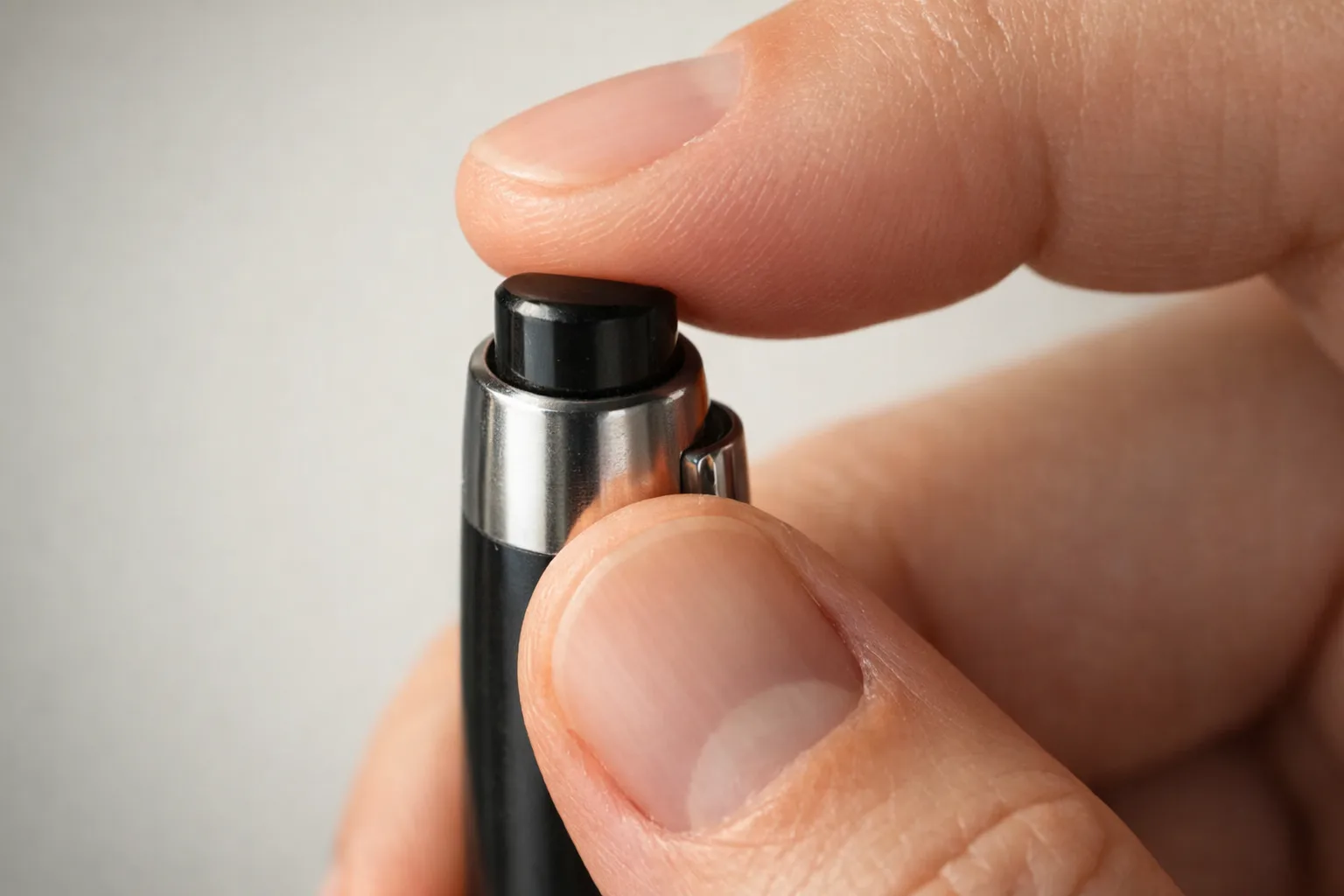
Why Does a Retractable Pen Click When You Press It?
A retractable pen’s click comes from a small locking mechanism inside its barrel. Here’s how the button, cam and spring work together to extend and retract the tip.
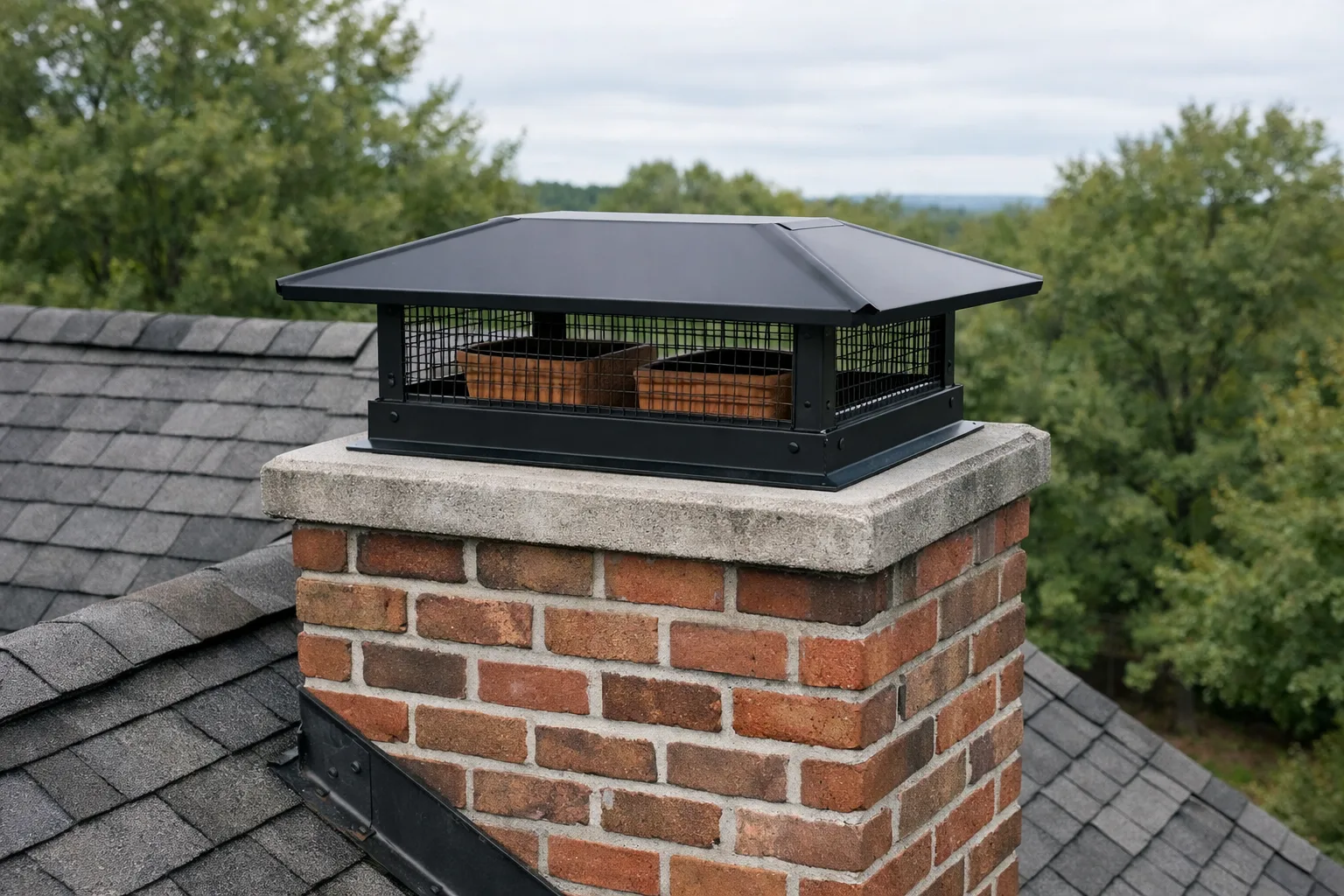
Why Do Chimneys Have Caps? The Practical Reasons Explained
Chimney caps keep out rain, animals and debris, and some help contain sparks or reduce wind-driven downdrafts. Here’s how they work—and what they don’t do.