Why Traffic Lights Use Red, Yellow, and Green
By WowPebble Editorial
Red, yellow, and green were chosen for a mix of history, visibility, and practicality. Here’s how the familiar traffic signal system took shape.
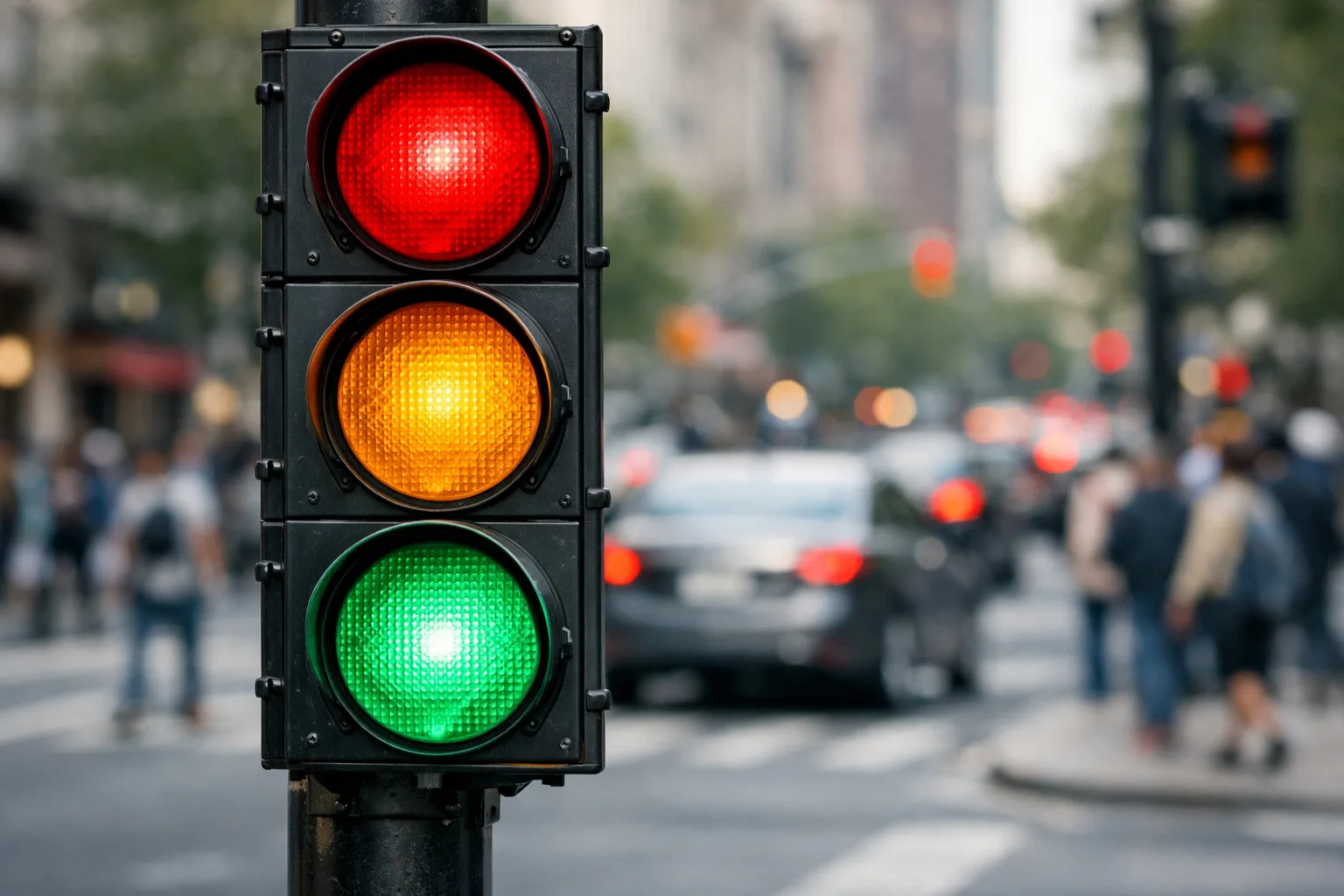
Traffic lights use red, yellow, and green because the colors combine an established signal tradition with practical visibility. Red had long meant stop or danger in railway signaling; green came to mean proceed; and yellow gives drivers a warning that the signal is about to change. The arrangement is familiar now, but it developed over time as roads grew busier and drivers needed clear instructions they could recognize quickly.
A system borrowed from railways
Road traffic signals did not begin with cars. Before automobiles became common, railways were already using colored lights to guide trains. Trains took a long time to stop, so clear signals were essential. Red was used to tell an operator to stop, and green became associated with proceeding. These conventions helped shape the colors later used for road traffic.
Road signals also predate modern electric systems. The Chartered Institution of Highways and Transportation records a gas-lit signal introduced near Parliament in London in December 1868, using railway-inspired signalling. This is one documented stage in the development of road signals, rather than the invention of the complete modern sequence.
As motor traffic increased, electric signals followed. Cleveland Police Museum records a red-and-green electric installation at East 105th Street and Euclid Avenue in 1914. The later addition of a third colour was a separate development, not a feature of every early installation.
The Henry Ford Museum’s object record identifies William Potts's three-colour, four-direction Detroit signal as a 1920 design. That is a documented particular artefact, not proof that every country's signal history followed the same sequence.
Why red means stop
Part of the answer is convention: railways had already made red a recognized stop signal. Once people learned to associate red with danger or prohibition, using it on roads made sense. A signal system works best when its instructions are easy to learn and consistent across different places.
Wavelength alone does not explain the historical choice or guarantee that a signal will be visible in fog, rain or glare. Recognition depends on the complete signal and its surroundings: position, brightness, contrast and a familiar meaning. It is safer to explain red’s role through documented signalling conventions than through a universal claim that it travels farthest in all weather.
Why green means go
Green became the counterpart to red in railway signaling and carried over into road signals. It is easy to distinguish from red for many people, and it provides a clear visual contrast within the familiar three-color sequence.
But green does not mean “go” by some universal law of nature. Its meaning comes from the conventions people have learned. In other settings, green can signal permission, safety, or readiness, while in some cultures its associations may differ. Traffic systems depend on shared rules: drivers know what green means because they have been taught to interpret it that way.
Why yellow warns drivers
Yellow gives drivers time to react when a signal is changing from green to red. Without a warning interval, a driver approaching an intersection might have to make a sudden choice between braking hard and continuing through. The yellow phase provides notice that the right to proceed is ending.
The action required at amber comes from local law, not a general instruction to choose between braking and accelerating. For example, Britain’s Highway Code says amber means stop, with specific exceptions when already past the stop line or too close to stop without causing an accident. Do not apply that wording automatically in a different jurisdiction.
In the familiar three-lamp vertical arrangement, amber sits between red and green. Its position reinforces the transition indicated by the signal, but the action a driver must take is still defined by the local rules.
More than color: position and timing matter
A traffic signal is designed as a system, not just a set of colors. In many places, the lights appear in a standard order: red above yellow above green on a vertical signal, or red, yellow, and green from left to right on a horizontal one. This consistency helps drivers recognize the instruction even if they cannot distinguish every color clearly.
That matters for people with color-vision deficiencies, including forms that make red and green harder to tell apart. Position, brightness, and the timing of the signal can provide useful clues beyond hue. Some signals also use arrows to show which movement is permitted, while pedestrian signals may use figures or symbols rather than relying only on colored lights.
The sequence and rules are not identical everywhere. Some jurisdictions use flashing signals or special arrows, and local laws define what drivers must do at each stage. The basic red-yellow-green pattern is widespread, but it sits within a broader set of road rules and design choices.
A simple code with a long history
The familiar traffic light works because each color has a distinct role: red tells drivers to stop, green permits movement, and yellow warns that a change is coming. Those meanings grew from earlier railway practices and were adapted as cities needed better ways to manage road traffic.
The colors are not magical, and seeing a green light does not mean an intersection is automatically safe. Drivers still need to watch for pedestrians, other vehicles, and changing conditions. But a standardized visual code lets people make decisions quickly—and helps millions of strangers coordinate their movements without having to speak to one another.
You might also like
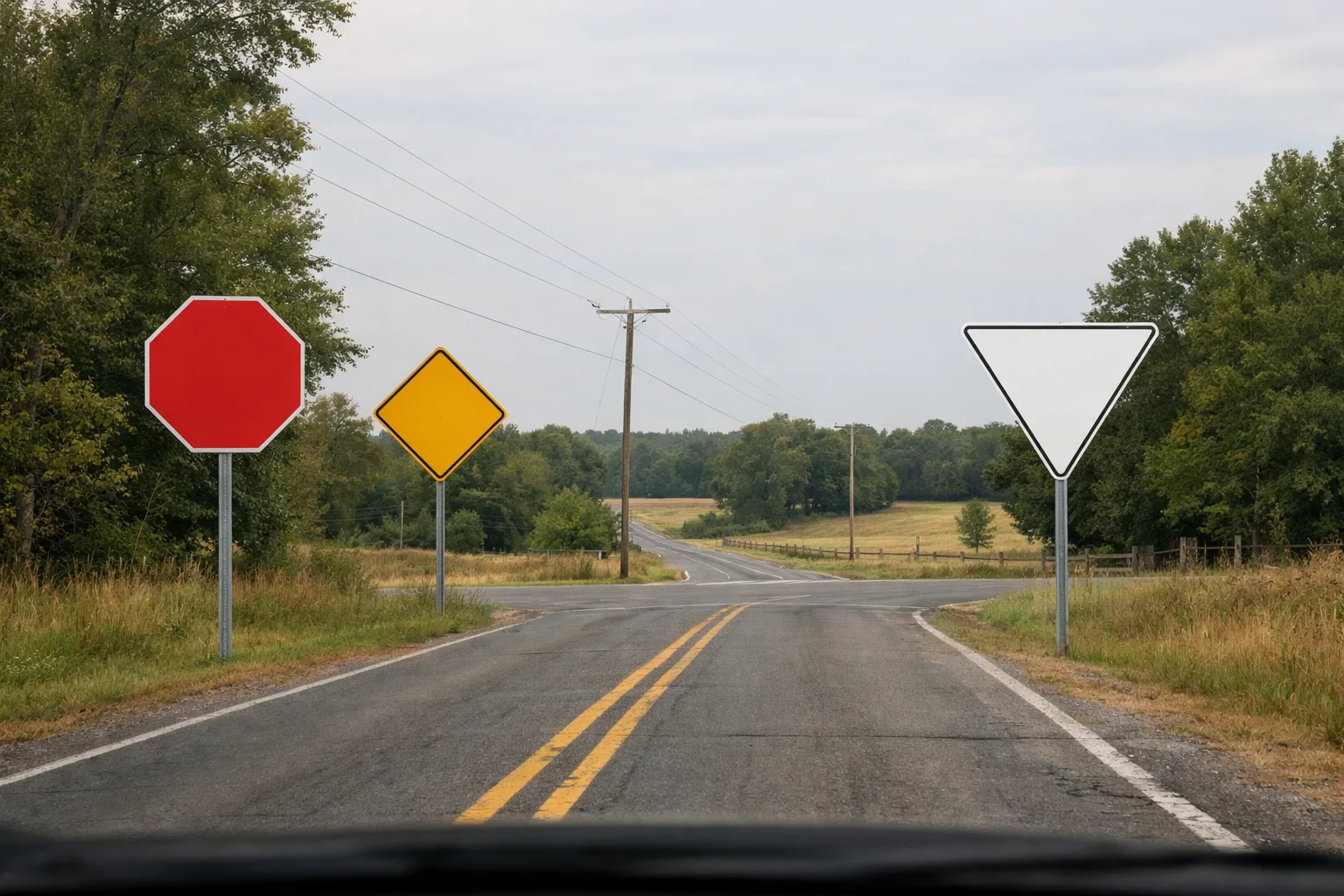
Why Road Signs Use Shapes as Well as Colors
Road sign shapes do more than make roads look organized: they offer a quick visual clue when color is hard to see or there’s little time to react.
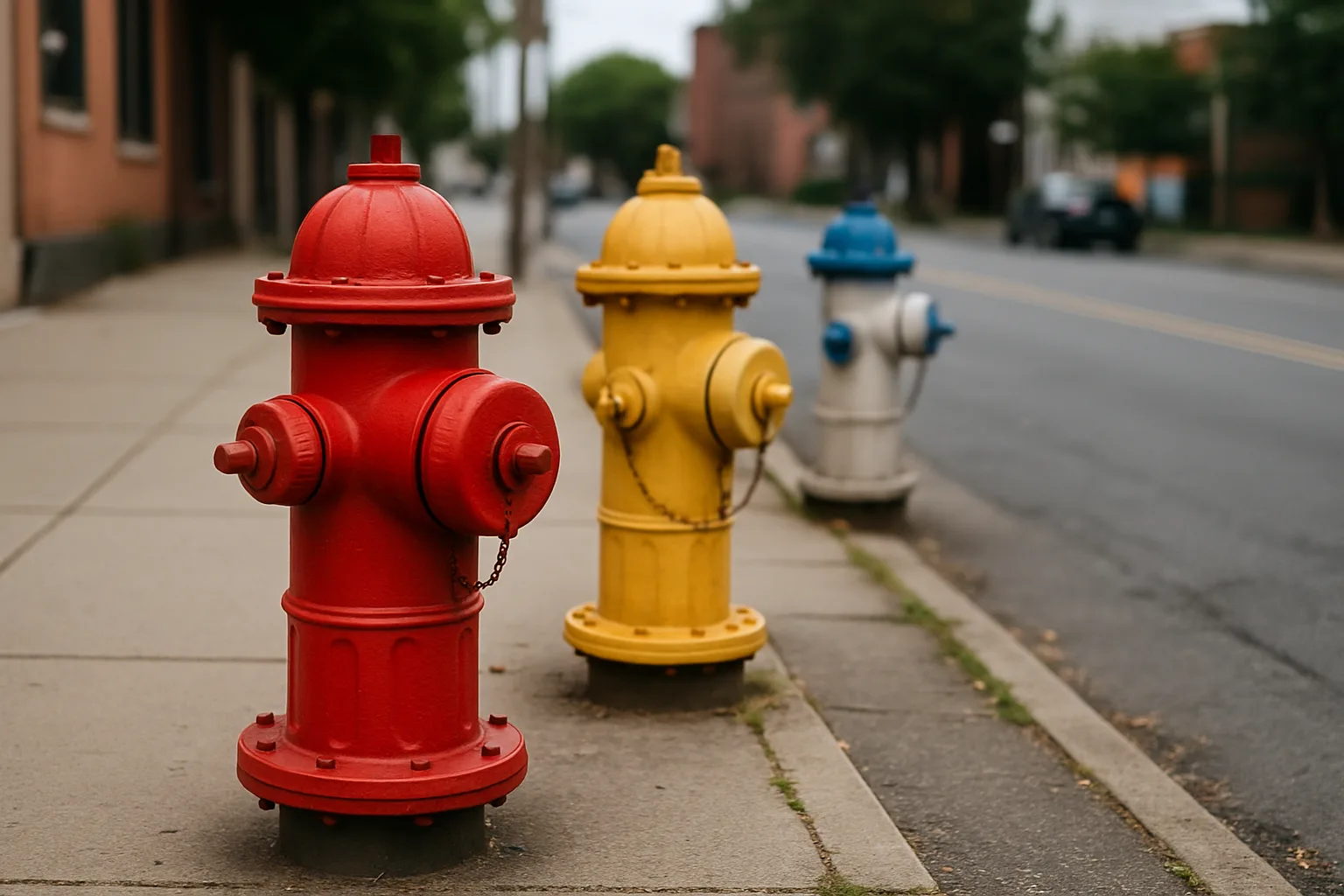
Why Fire Hydrants Come in Different Colors
A hydrant’s color can help firefighters judge water supply, flow capacity, or ownership—but there’s no single color code used everywhere.

Why Do Mirrors Reverse Left and Right but Not Up and Down?
A mirror does not actually swap left and right. It reverses the direction pointing into the glass—and the way we compare ourselves with the reflection creates the illusion.