Why Do Bats Sleep Hanging Upside Down?
By WowPebble Editorial
Specialized feet help many bats stay attached with little active gripping, while a high roost offers shelter and a convenient starting point for flight.
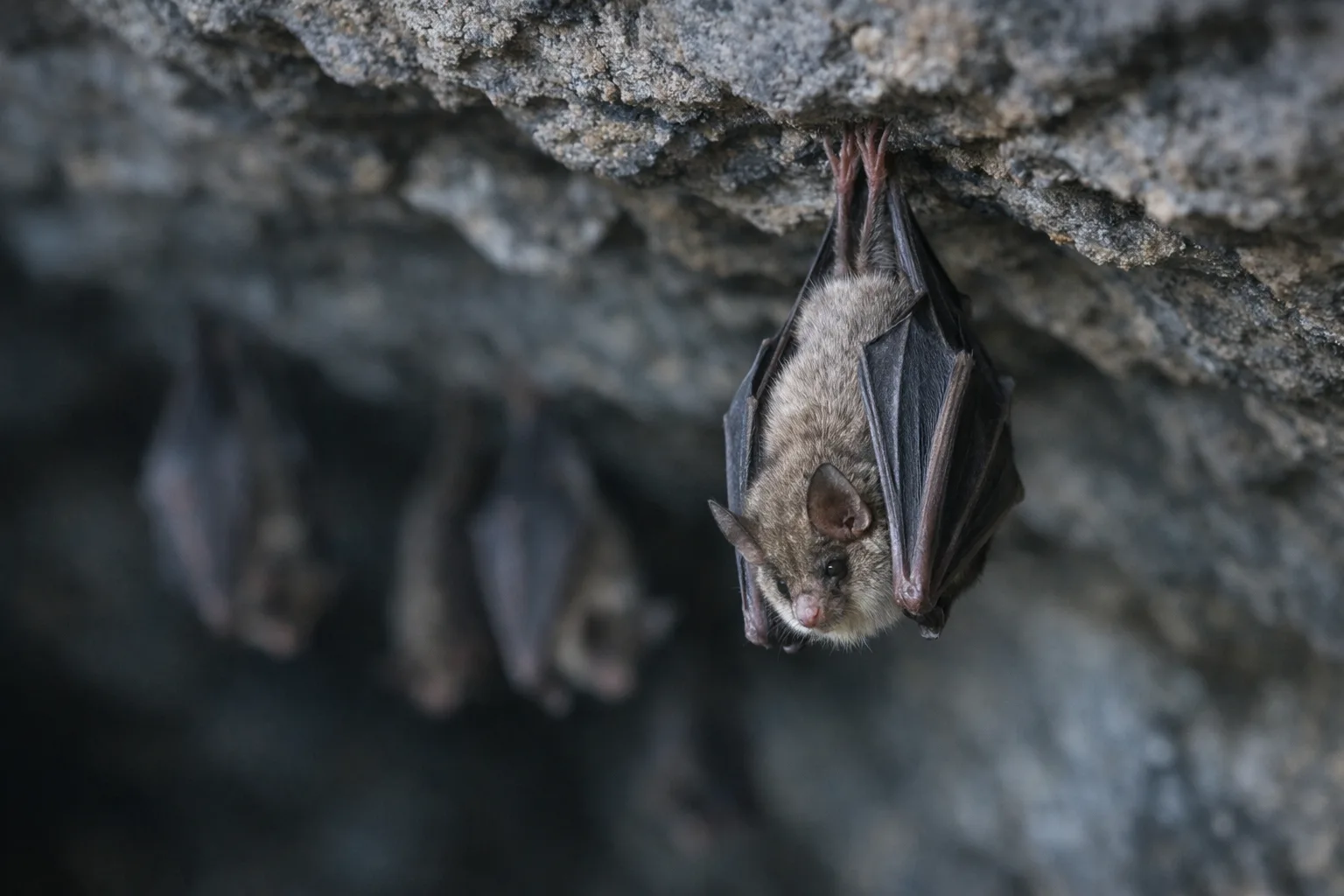
Bats don’t hang upside down because they’re trying to be unusual. For many species, it’s a practical way to rest: their feet can grip a perch with little effort, and letting go gives them a useful start for flight. Their bodies are built for this habit in ways that would make it uncomfortable—and tiring—for us.
Most bats roost during the day, often in sheltered places such as caves, tree hollows, or buildings. Hanging from a ceiling or branch keeps them off the ground and ready to leave when it’s time to fly. Here’s how that upside-down routine works.
Hanging takes surprisingly little effort
A bat’s hind feet have claws for holding a perch. The foot and tendon arrangement described in the Bat Conservation International FAQ helps explain why a relaxed bat can stay attached without the continuous gripping effort a person would need. This does not mean that a heavier bat necessarily grips more securely than a lighter one.
That’s a very different arrangement from a person gripping a bar. Our hands would quickly tire if we had to support our weight for hours. A bat’s feet, by contrast, can remain curled around a perch while its muscles are relaxed. This makes hanging a practical way to rest for long periods, including during sleep.
To leave, a bat can adjust its feet and release its grip. It doesn’t need to climb down first. The specialized grip is useful for roosting, but it isn’t a permanent lock: the bat can disengage when it’s ready to move.
Upside down is a useful launch position
Bats are capable fliers, but many species are not built to take off from a flat surface as easily as a bird can. Their wings are modified forelimbs, while their legs are relatively small and aren’t suited to a powerful running takeoff. For these bats, launching from a high perch is often simpler than trying to spring into the air from the ground.
A hanging bat can let go, drop briefly, and spread its wings as it gains room to move. Gravity provides an initial boost, and the open space below a roost gives the bat a chance to start flying without needing a long runway. The drop is controlled—not a sign that the bat has fallen asleep and lost its grip.
This doesn’t mean every bat is helpless on the ground. Abilities vary among species, and some bats can move around or take off from a surface. But for many, a high roost offers a convenient starting point for flight.
Roosts offer shelter and company
The position is only part of the story: a safe place to roost matters, too. Depending on the species, bats may shelter in caves, crevices, tree cavities, or human-made structures. A tucked-away roost can help protect them from weather and some predators while they rest through the day.
Some bats roost alone, while others gather in groups. A crowded colony may hang close together in a cave or other sheltered space, though roosting habits differ widely across the many bat species. The same basic grip that lets a bat hang by itself also works when several bats share a perch.
A bat’s wings are also easier to keep clear when it hangs by its feet. The wings are delicate, flexible structures used for flight, and a roosting position that leaves them free can be convenient. When it’s time to go, the bat can release its grip and put those wings to work.
Do all bats sleep this way?
Hanging upside down is common, but it isn’t a rule that every bat follows in exactly the same way. Roosting behavior varies by species, and some bats use different kinds of perches or positions. Even among bats that hang, the place they choose—such as a cave ceiling or a tree branch—depends on their surroundings and needs.
Bats also don’t spend every moment upside down. They may change position, move around their roost, or take off to feed. Some species hibernate, and their roosting habits during that period depend on the species and conditions.
So the short answer is that hanging suits the bat’s body. Its feet can hold on without constant effort, and a high perch makes it easier for many bats to launch into flight. What looks like an awkward way to sleep is, for a bat, a well-adapted way to rest.
You might also like

How Do Mushrooms Seem to Appear Overnight?
Mushrooms don’t grow from nothing in a single night. Their hidden fungal network can produce visible fruiting bodies quickly when conditions are right.
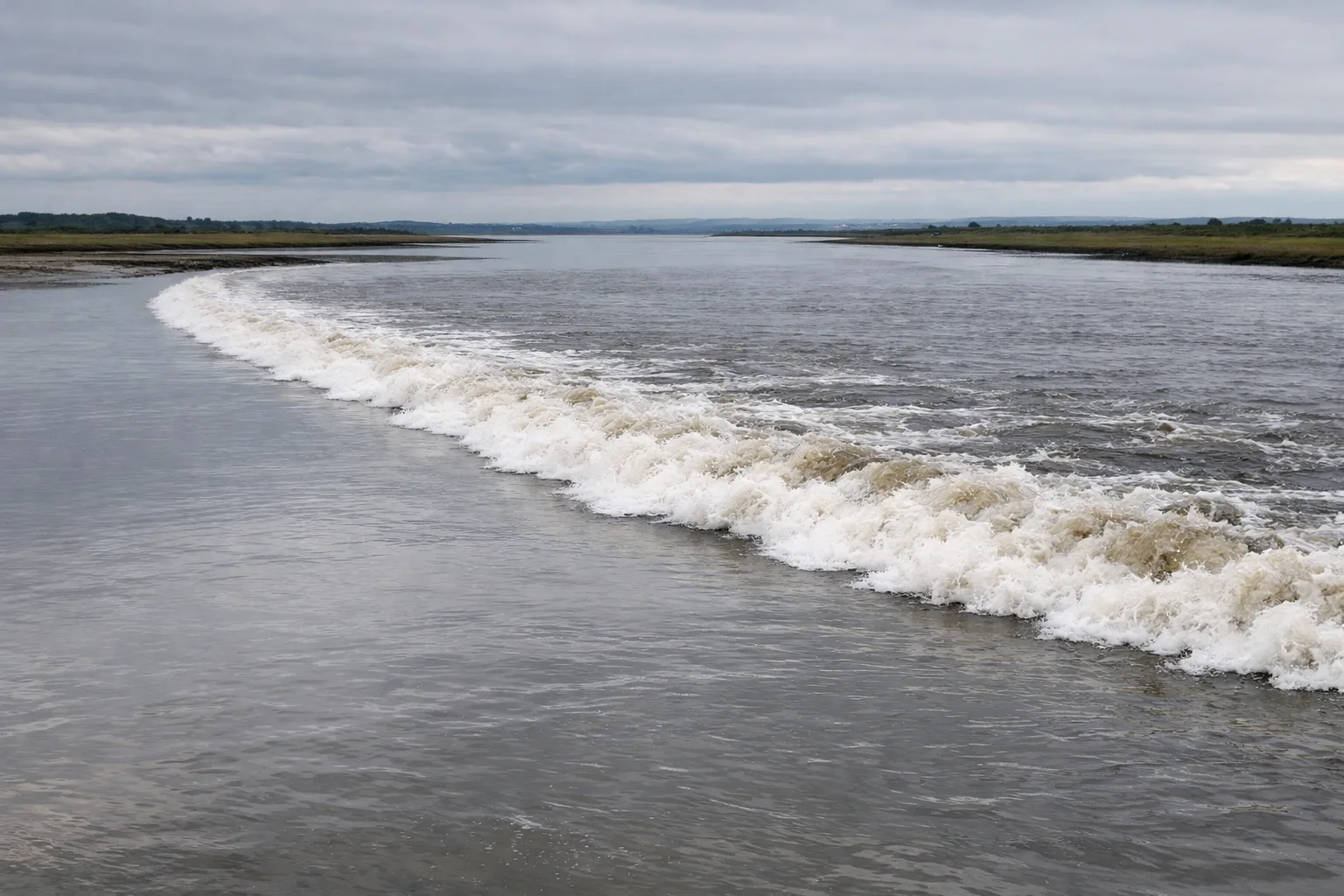
How Tidal Bores Send Waves Upstream
A tidal bore forms when a rising tide is funneled into a shallow river mouth, steepening into a moving front that can surge against the river’s flow.
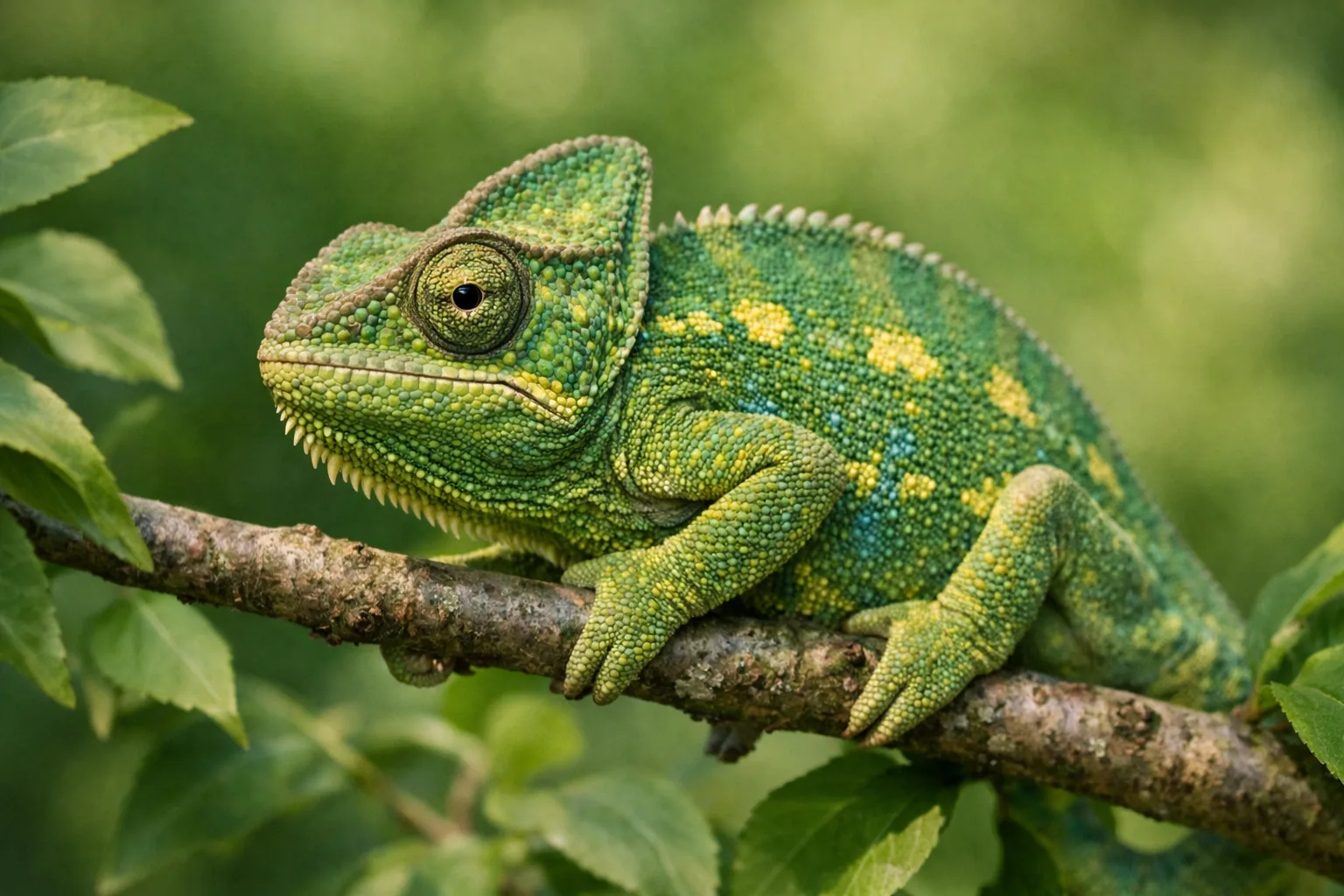
Why Chameleons Change Color—and What the Colors Signal
Chameleons change color to communicate, respond to temperature and light, and sometimes blend in. Their shifting shades come from both pigments and remarkable skin cells.