What the Numbers on a Tire Sidewall Mean
By WowPebble Editorial
A tire’s sidewall code tells you its size, construction and performance ratings. Here’s how to read the numbers—and which details matter when replacing a tire.
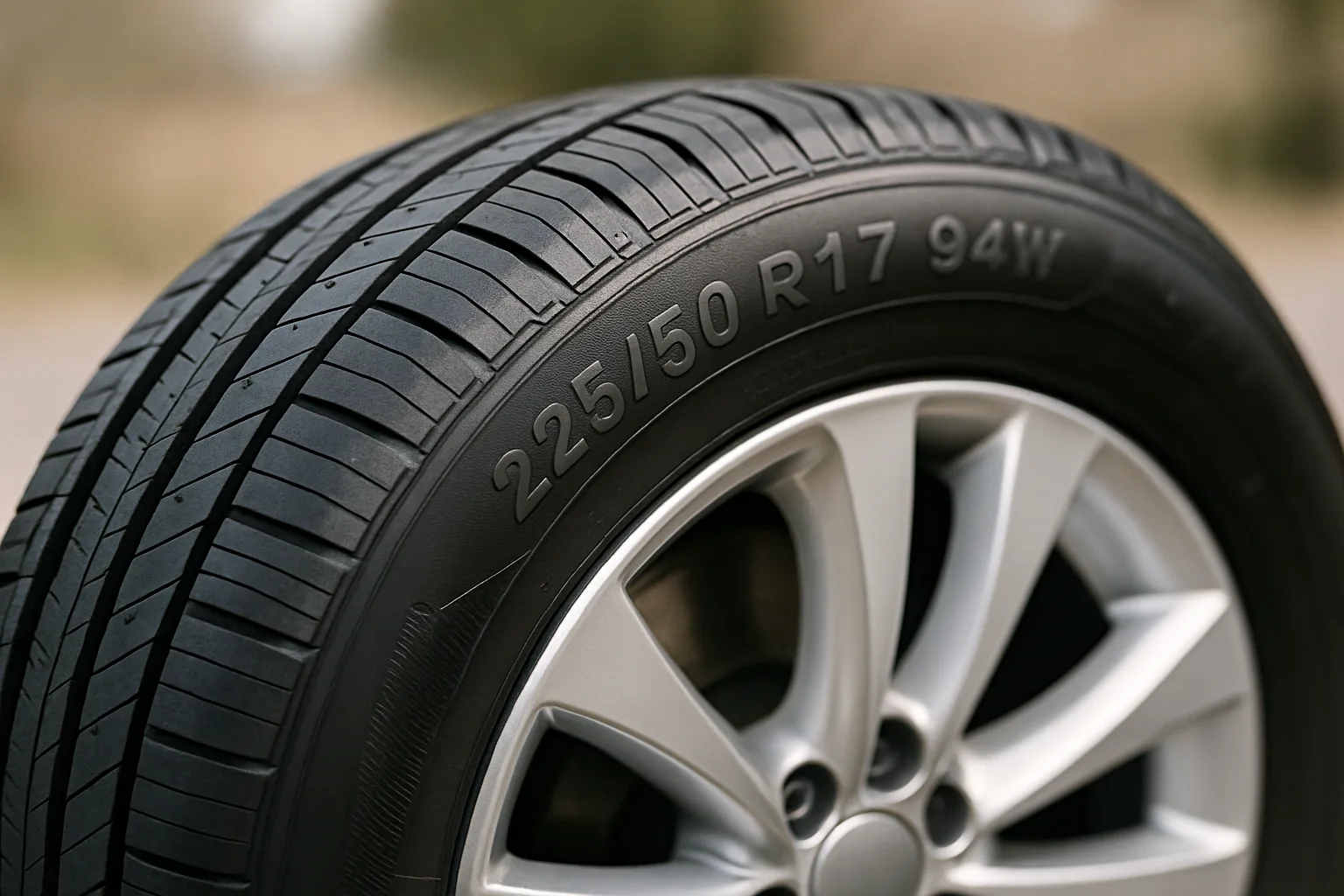
A tire’s sidewall is more than a strip of rubber: it carries a compact set of instructions about the tire’s size, construction and capabilities. Learning to read those markings can help you check whether a replacement tire fits your vehicle and understand what its load and speed ratings mean.
Consider this common example: P215/65R16 95H. It may look like a random string, but each part has a specific purpose. Some other markings describe when the tire was made, how much air pressure it can safely hold, or whether it is designed for certain conditions.
Decoding the tire size
Read the example from left to right:
- P identifies a passenger-car tire designed to a particular U.S. tire standard. Not every tire has this letter: LT generally marks a light-truck tire, while some passenger tires have no letter prefix.
- 215 is the tire’s nominal section width in millimeters, measured from sidewall to sidewall when mounted and inflated on a specified measuring rim. It is not the width of the tread alone, and the actual dimensions can vary somewhat by tire model and rim.
- 65 is the aspect ratio. The sidewall height is 65 percent of the tire’s section width. In this example, that works out to roughly 140 millimeters (215 × 0.65). A smaller aspect-ratio number usually means a shorter sidewall relative to the width.
- R means radial construction. In a radial tire, the body cords run across the tire, roughly from one side to the other. Radial tires are the standard type used on most modern cars.
- 16 is the diameter of the wheel the tire fits, in inches. This measurement refers to the rim, not the tire’s overall diameter.
Put simply, the size section tells you the tire’s approximate width, sidewall proportions, construction and compatible wheel diameter. Changing one part of the size can affect fit, handling, ride comfort and the accuracy of the vehicle’s speedometer, so replacement tires should match the vehicle maker’s recommendations unless a qualified professional confirms an alternative is suitable.
What the numbers after the size mean
The 95H at the end of the example is called the service description. It combines a load index with a speed rating.
95 is the load index: a code for the maximum load the tire is rated to carry under specified conditions. A load index of 95 corresponds to about 690 kilograms (1,521 pounds) per tire. That figure is not a suggested amount to load into a car. The vehicle’s overall limits, the number of tires, inflation pressure and other requirements all matter. Never use the tire’s index to exceed the vehicle’s permitted weight.
H is the speed rating. It indicates the tire’s tested speed capability under specified conditions; H corresponds to up to 210 km/h (130 mph). A rating is not a recommendation to drive at that speed. Road rules, weather, vehicle condition and the carmaker’s limits still apply. It’s also important not to fit tires with a lower speed rating than the vehicle manufacturer specifies without checking that the change is permitted and appropriate.
The example values are listed in Michelin’s load and speed tables. Use them to decode the markings, not to calculate a new permitted vehicle load or choose a different tyre specification. The vehicle and tyre maker's requirements still govern the actual fitment.
Other tires use different service descriptions. If you are shopping for replacements, compare the complete size and service description with the vehicle’s tire placard or owner’s manual. The placard is often on the driver’s doorjamb, though its location varies.
Finding the manufacturing date
For the modern four-digit date format, the last four digits of the DOT tire identification number give production week and year: 2323 means week 23 of 2023. NHTSA’s TireWise guidance explains this date code and warns that the complete number may not be visible on both sidewalls. Older three-digit codes need separate interpretation, not an invented fourth digit.
The date code can be useful when checking the age of a tire, including one that looks little used. The complete identification number, including the date code, may appear on only one sidewall, so you might not see it from outside the vehicle. A tire professional can help locate it if needed. Age is only one factor in tire condition: damage, wear, storage and the vehicle manufacturer’s guidance also matter.
Maximum pressure is not the recommended pressure
A sidewall may show a maximum inflation pressure, sometimes alongside a maximum load. That number describes a limit for the tire; it is not usually the pressure you should use for everyday driving.
For the correct cold-tire pressure, check the vehicle’s tire placard or owner’s manual. The vehicle maker chooses that pressure for the car and its specified tires. Checking pressure when tires are cold—before driving, or after the car has been parked for several hours—gives the most useful reading. If the tire size or type has been changed, ask a qualified tire professional what pressure is appropriate rather than relying on the sidewall maximum.
Other markings you might see
Sidewalls can carry additional information that is useful in particular situations:
The examples below use the systems described in Michelin’s sidewall-marking guide. Regional markings and performance tests differ; a symbol is not a guarantee of grip on every surface or permission to exceed the vehicle's specifications.
- M+S indicates a mud-and-snow designation, but by itself it does not mean a tire has passed the same winter-traction test as a severe-snow tire.
- The three-peak mountain snowflake symbol identifies a tire that meets a specific snow-traction performance requirement. It is often found on winter tires and some all-terrain tires.
- Outside and Inside markings appear on some asymmetric tires. They show which side of the tire should face outward when mounted.
- An arrow with the word Rotation marks the required direction for a directional tire. Installing it the wrong way around can compromise the design’s intended performance.
- Treadwear, traction and temperature grades may appear on tires sold in the United States. These comparative ratings provide information about certain performance characteristics, but they are not a direct promise of how many miles a tire will last or how it will perform in every situation.
The safest way to use the information
Sidewall markings are useful, but they are not a substitute for the vehicle’s specifications. Before buying a tire, check the recommended size, load index and speed rating in the owner’s manual or on the vehicle placard. If you are unsure whether a different size or tire type is suitable, consult a tire professional.
Once you know how to read a code like P215/65R16 95H, the numbers become a practical guide rather than a mystery: they describe the tire’s basic dimensions and construction, then indicate its load and speed categories. The rest of the sidewall adds clues about age, inflation limits and intended use.
You might also like

What to Keep in a Home Kit for a Power Outage
Build a practical outage kit with lighting, charged power banks, water, easy-to-eat food, essential medicines and supplies suited to your household.

How to Clean a Humidifier and Stop Mineral Buildup
Clean your humidifier regularly to remove scale and reduce residue. Learn how to descale it safely, care for filters and prevent mineral buildup.

How to Remove Burnt Food from a Stainless Steel Pan
Loosen burnt-on food from a stainless steel pan with hot water and gentle scraping. For stubborn residue, add baking soda and scrub without damaging the finish.