What Creates Lightning Inside Volcanic Ash Clouds?
By WowPebble Editorial
Volcanic lightning begins when ash, ice, and turbulent air separate electrical charges inside an eruption plume. Here’s how the flashes form—and what they reveal.
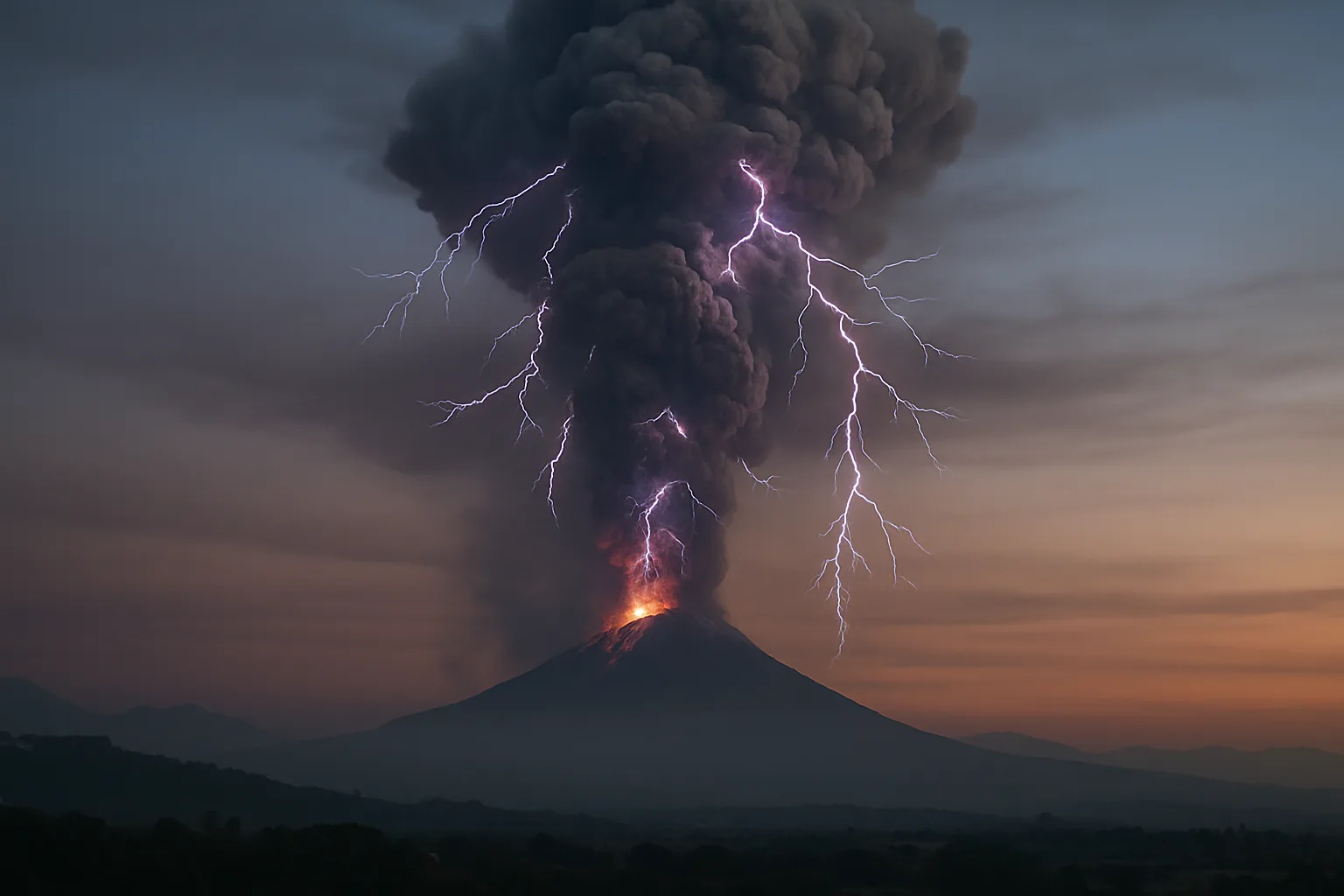
Lightning in a volcanic ash cloud looks like a thunderstorm has erupted from a mountain. The flashes are dramatic, but their cause is rooted in a familiar physical process: electrical charges build up, separate, and suddenly discharge through the air. In a volcano plume, ash particles—and sometimes ice—help that process happen.
The key is not that ash is burning or glowing. It is made of tiny fragments of rock and volcanic glass, and those fragments collide as they are hurled upward. Under the right conditions, collisions and other interactions sort electrical charge through the cloud. When the resulting electric field becomes strong enough, the air can no longer insulate the charges from one another. A channel forms, and a lightning bolt follows.
How an eruption plume becomes charged
An explosive eruption blasts a mixture of hot gas, ash, and larger rock fragments out of a vent. As the plume rises, particles rush past one another in turbulent, crowded conditions. They bump, scrape, and break apart. These interactions can transfer electrical charge, leaving some particles more positively charged and others more negatively charged.
This process is known as contact electrification. It is related to the everyday static electricity created when certain materials rub together, although a volcanic plume is vastly more complex. The exact charge each particle gains can depend on factors such as its size, composition, temperature, and the conditions of the collision. Scientists continue to study how much each of these factors contributes in different eruptions.
Charging can also begin as magma fragments near the vent. When rock breaks apart rapidly, newly formed surfaces can carry electrical charges. The fragments then enter the turbulent plume, where further collisions can redistribute those charges.
For a flash to occur, it is not enough for particles simply to become charged. Opposite charges must become separated rather than immediately cancelling each other out. Air currents can help: larger and smaller particles may move differently, while swirling winds carry groups of particles into different parts of the plume. Over time, regions with different electrical charges can form.
The role of water and ice
Some volcanic plumes rise high enough to cool and interact with water in the atmosphere. Water vapour can condense into droplets and, in colder parts of a cloud, freeze into ice particles. Collisions involving ice can separate electrical charges too—a process familiar from ordinary thunderstorms.
In a thundercloud, different kinds of ice particles collide and are carried by rising and falling air. Those movements help sort positive and negative charges into different regions. If the electric field grows strong enough, a lightning discharge can bridge them.
Volcanic clouds can combine this ice-related charging with the effects of ash. Ash particles may provide surfaces around which water collects or ice forms, while turbulent air keeps particles moving and colliding. The balance varies from plume to plume. Some volcanic lightning occurs in ash-rich clouds near the eruption, where particle collisions are especially important; in taller clouds, ice processes may also contribute substantially.
That is why volcanic lightning is not explained by one simple recipe. An eruption’s plume height, moisture, particle mix, and internal airflow all matter. The relative importance of these ingredients can differ between eruptions, and researchers use observations and experiments to investigate how they work together.
Why a flash happens
Air normally acts as an electrical insulator. But when a large enough difference in charge builds up across a region, the electric field can become powerful enough to make the air conductive. A narrow path of ionised air forms, allowing electrical charge to move rapidly. That sudden movement produces the bright flash we see as lightning.
The discharge may travel between charged regions within the plume, between the plume and the ground, or through nearby air. A volcanic plume can therefore produce lightning that resembles a thunderstorm’s flashes, even though the particles and conditions that created the charges are not identical to those in an ordinary storm.
The ash itself does not have to be hot enough to glow for lightning to occur. Nor does a lightning flash mean the volcano has produced a fire. The light comes from the electrical discharge heating the air along its path.
Why volcanic lightning does not happen in every eruption
All explosive eruptions send particles into the air, but not all produce visible lightning. The plume needs the right combination of particle interactions, charge separation, and atmospheric conditions. A small or relatively weak plume may not develop the necessary electrical field. A larger plume may still lack the right balance of moisture, turbulence, or particle properties.
Even when lightning is present, its frequency and appearance can change over the course of an eruption. A dense burst of ash may create different conditions from a plume that has risen and spread out. Wind and changing weather can also affect how the cloud moves and develops.
So lightning is not a simple scale of eruption strength. A lack of flashes does not mean a plume is harmless, and a spectacular display does not by itself provide a complete measure of the eruption’s size. Ash can travel far and disrupt air travel even when no lightning is visible.
What volcanic lightning can tell scientists
Lightning is useful because it provides a visible clue that electrical charging is happening inside a plume. Instruments that detect flashes can help researchers track activity, including during periods when visibility is poor. Observations of when and where lightning occurs can also help scientists investigate how a plume evolves and how ash particles interact.
But lightning detection is only one piece of the picture. It does not directly reveal how much ash is in the air, how far the ash will travel, or whether a plume is safe to fly through. Volcano monitoring combines many kinds of information, such as visual observations, seismic signals, gas measurements, and satellite data. For aviation and nearby communities, ash forecasts and official safety guidance remain essential.
Volcanic lightning is both a striking spectacle and a natural signal of the forces at work in an eruption. It forms when restless air, colliding fragments, and sometimes ice turn a plume into an electrical system. The same basic principle powers lightning in storms: separate charges build until the air gives way.
You might also like
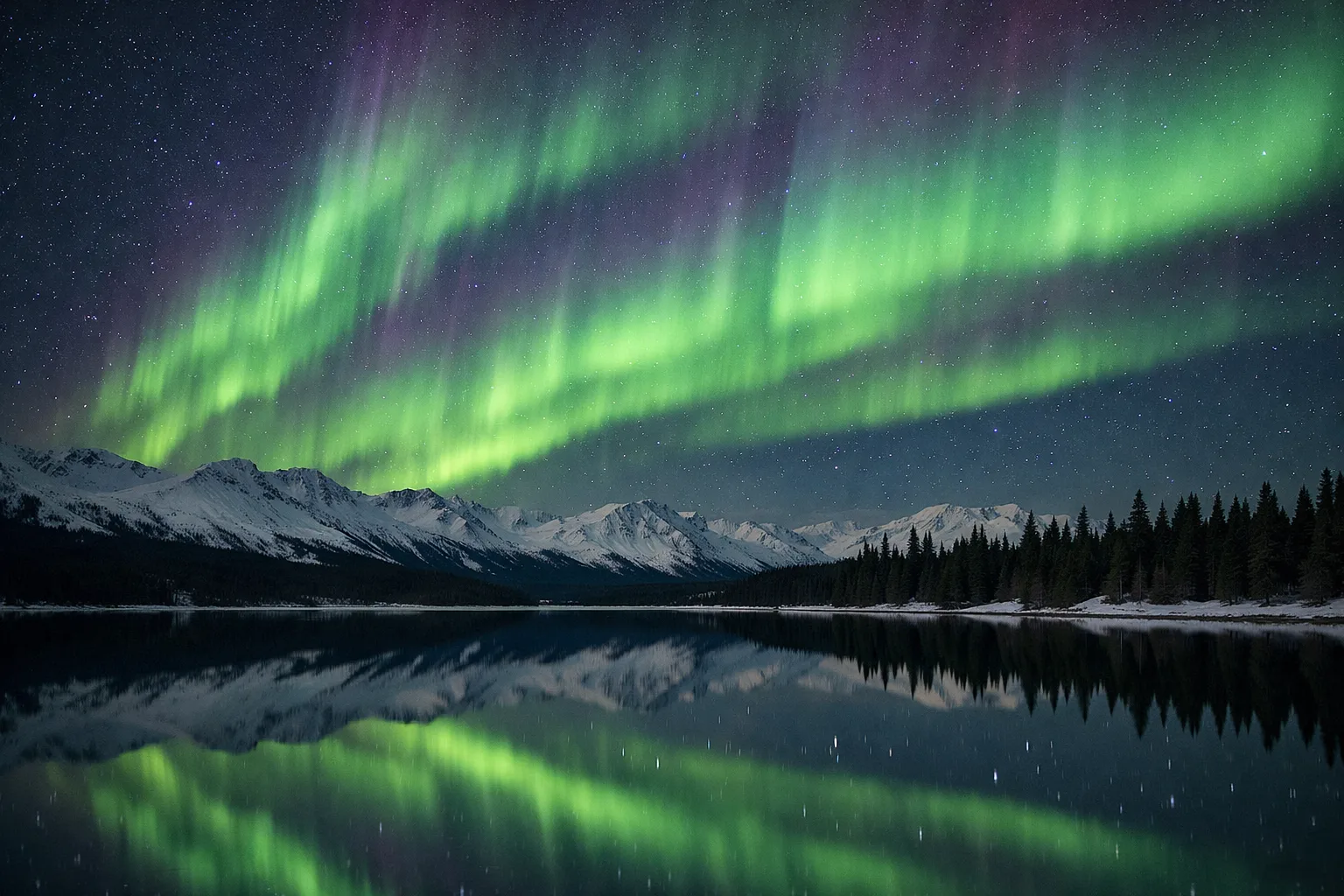
Why the Northern Lights Form Colorful Curtains Across the Sky
Auroral electrons energize gases high in Earth’s atmosphere. Their emissions produce colours, while magnetic structure and perspective shape the curtains.

How Do Mushrooms Seem to Appear Overnight?
Mushrooms don’t grow from nothing in a single night. Their hidden fungal network can produce visible fruiting bodies quickly when conditions are right.
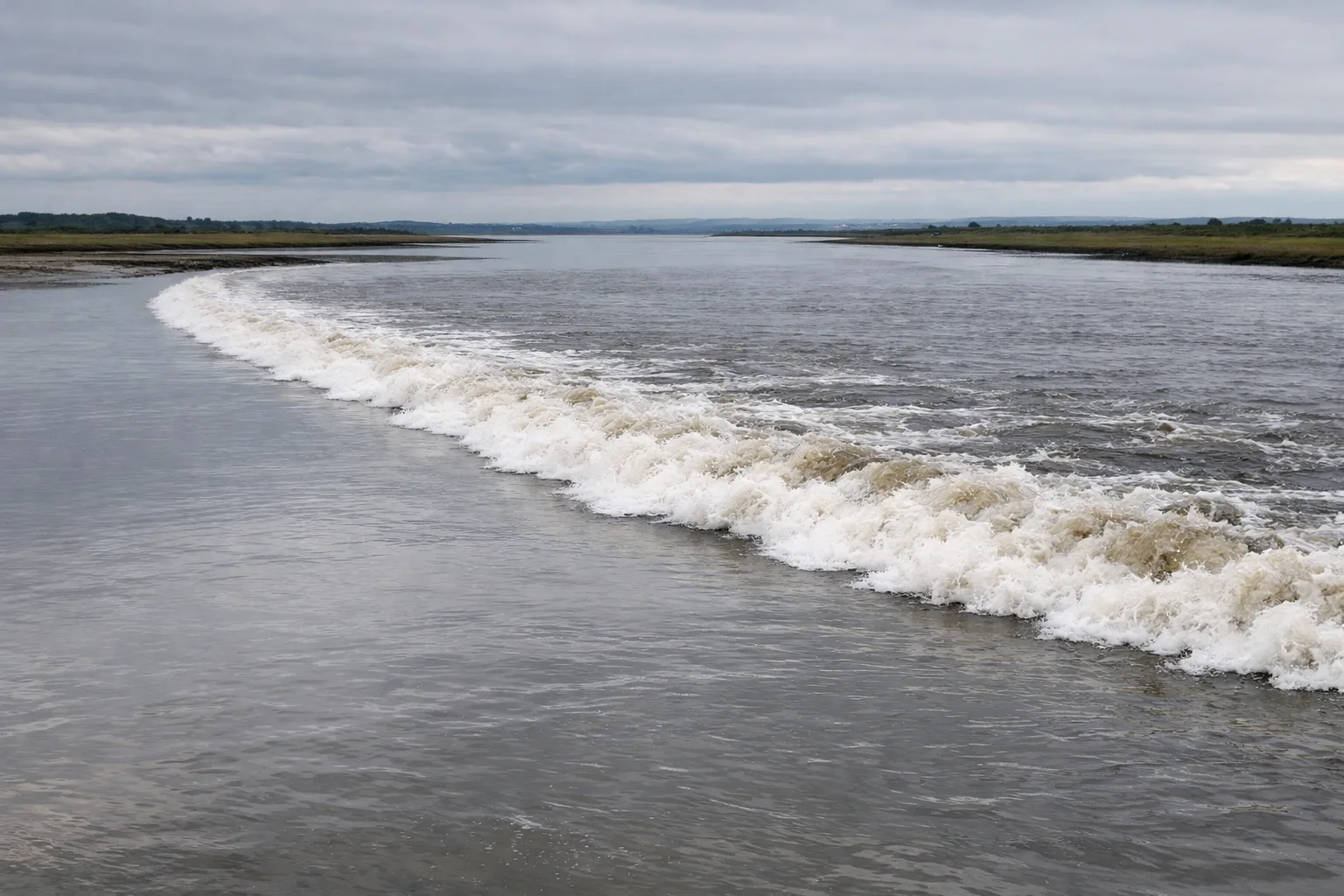
How Tidal Bores Send Waves Upstream
A tidal bore forms when a rising tide is funneled into a shallow river mouth, steepening into a moving front that can surge against the river’s flow.