How to Store Potatoes So They Sprout More Slowly
By WowPebble Editorial
Keep potatoes cool, dark, dry and well ventilated to slow sprouting. Learn which containers work, where to store them and what to avoid.
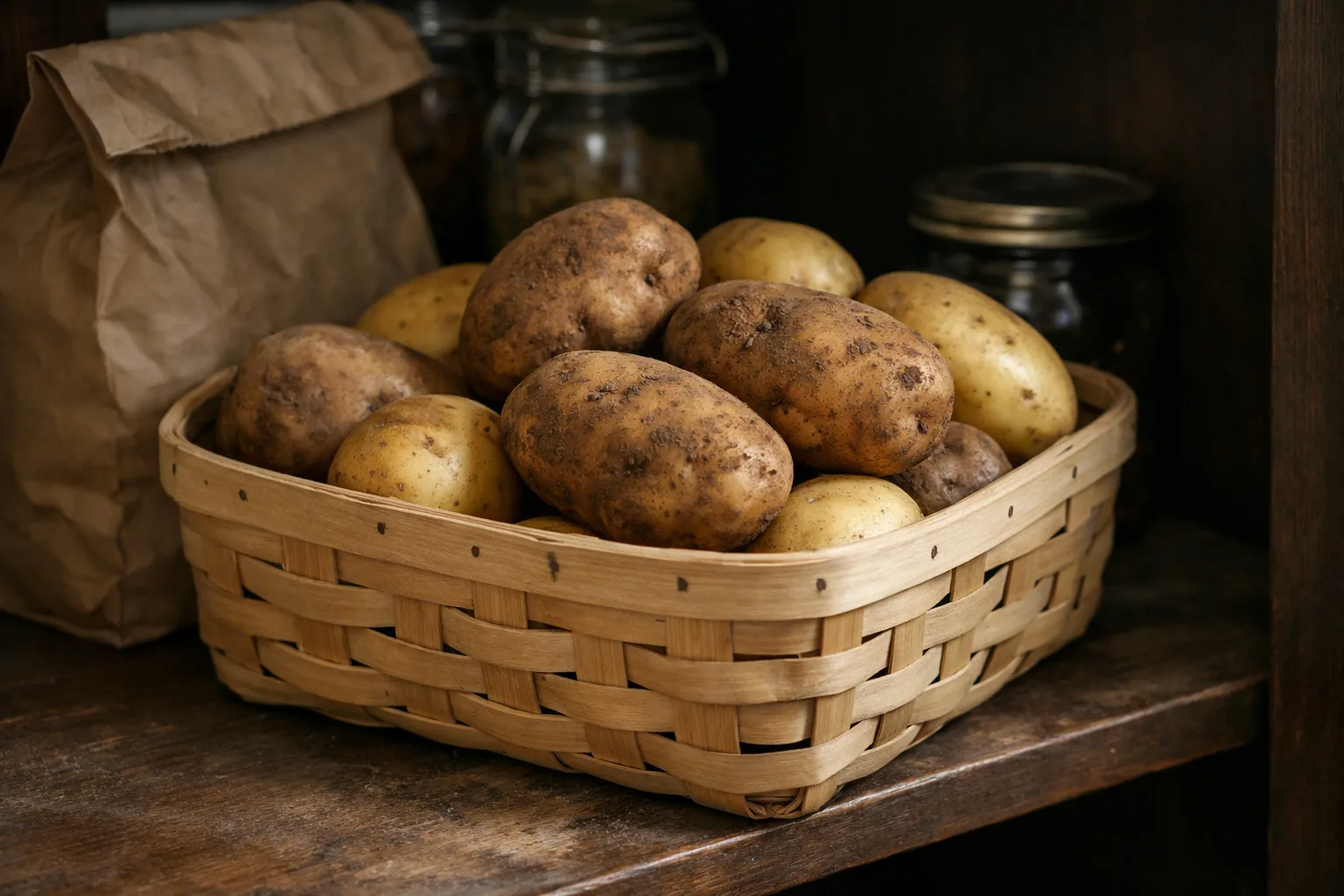
To slow potato sprouts, store the potatoes in a cool, dark, dry place with good airflow. A temperature around 45–50°F (7–10°C) is a useful target if you have a suitable spot. Keep them out of sunlight and away from warm areas such as the top of a refrigerator or a cupboard beside an oven. These conditions slow sprouting, though they cannot prevent it indefinitely.
Choose a cool, dark location
Warmth encourages potatoes to sprout, while light can cause them to turn green. Look for a cool pantry, cellar or cupboard that stays reasonably steady in temperature and is not exposed to sunlight. If your home has no cool storage area, choose its coolest dark cupboard and use the potatoes sooner; a warm kitchen will not keep them dormant for long.
A refrigerator may seem like the obvious cool option, but very cold storage can make potatoes taste sweeter and affect how they brown when cooked. For everyday storage, a cool cupboard or pantry is generally a better choice. If the only available space is warm, focus on keeping the potatoes dark and ventilated, and check them more often.
Let air circulate and keep potatoes dry
Put potatoes in a basket, mesh bag, paper sack or cardboard box with ventilation holes. The aim is to keep light out while allowing air to move around them. Avoid sealed plastic bags and airtight containers: trapped moisture can encourage decay, and poor airflow makes it harder for damp potatoes to dry.
Store potatoes unwashed. Washing adds moisture, so brush off loose soil instead and rinse them just before cooking. Keep them away from damp spots, including areas where condensation collects. Potatoes should be dry when you put them away; if any are wet, let them dry before storing them.
Check the batch as it sits
Look through stored potatoes regularly and remove any that are soft, leaking, moldy or rotting. One spoiled potato can affect the others around it. Use damaged potatoes promptly if the damage is minor and they remain sound; discard those that are clearly decayed. Keeping the rest of the batch dry and in good condition helps prevent losses, even though it does not stop sprouting on its own.
Sprouting depends partly on the potatoes’ condition when you buy them, so two batches stored in the same place may not sprout at the same pace. Buy only as many as you can use in a reasonable time, particularly if your storage area is warm.
What to do with potatoes that have sprouted
A few small sprouts do not automatically mean a potato must be thrown away. If it is still firm and has no green patches, cut away the sprouts and use it. Green areas are a reason for more caution: trim them generously, and discard the potato if it is extensively green, soft or badly shriveled. Do not eat the sprouts.
The most useful routine is simple: start with dry potatoes, store them in a breathable container in the coolest dark place available, and remove any that begin to spoil. That combination buys time without relying on airtight packaging or a refrigerator.
You might also like
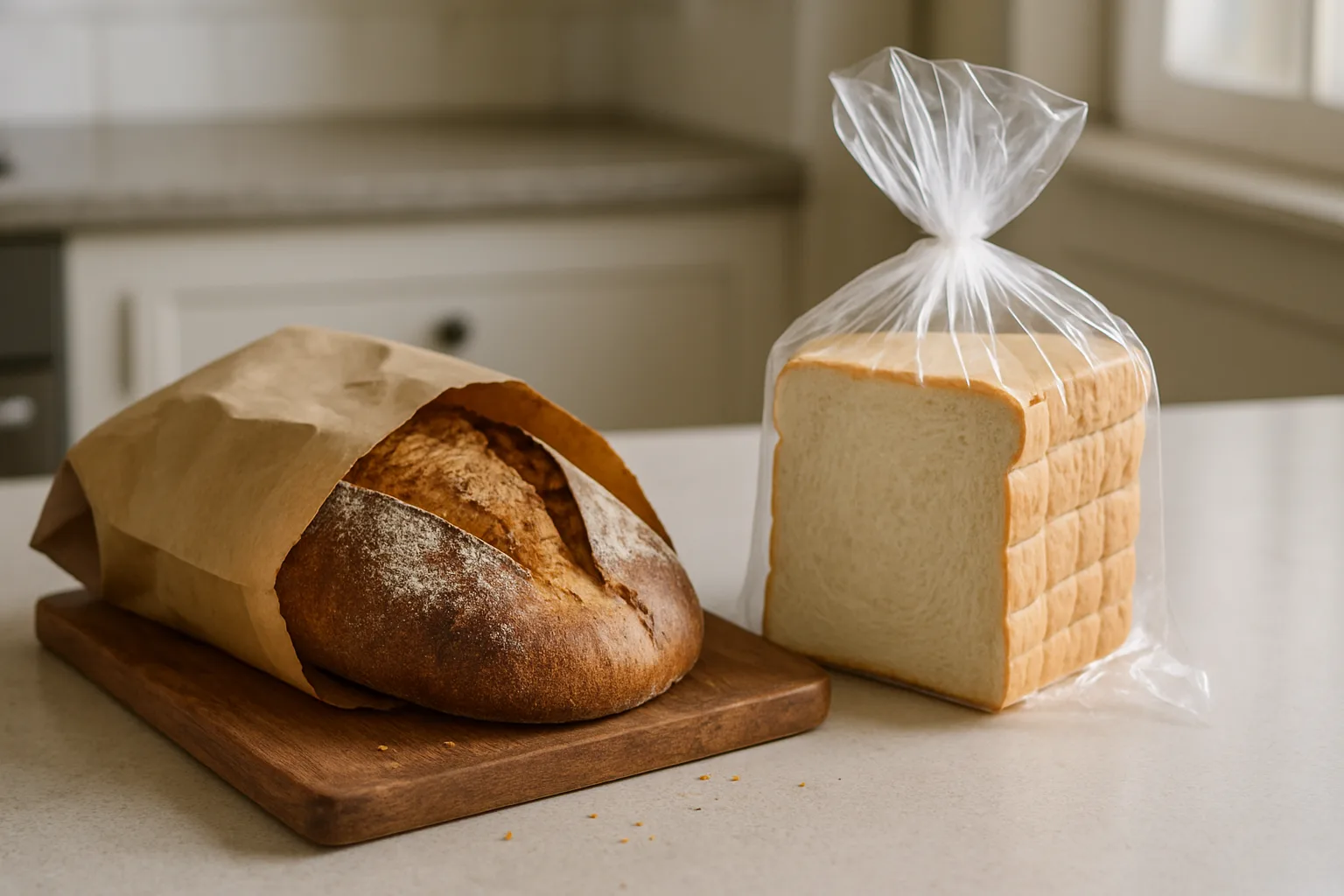
How to Store Bread So It Stays Fresh Longer
Bread storage balances texture, mould risk and keeping time. Learn when room-temperature storage makes sense, how refrigeration differs, and when to freeze.
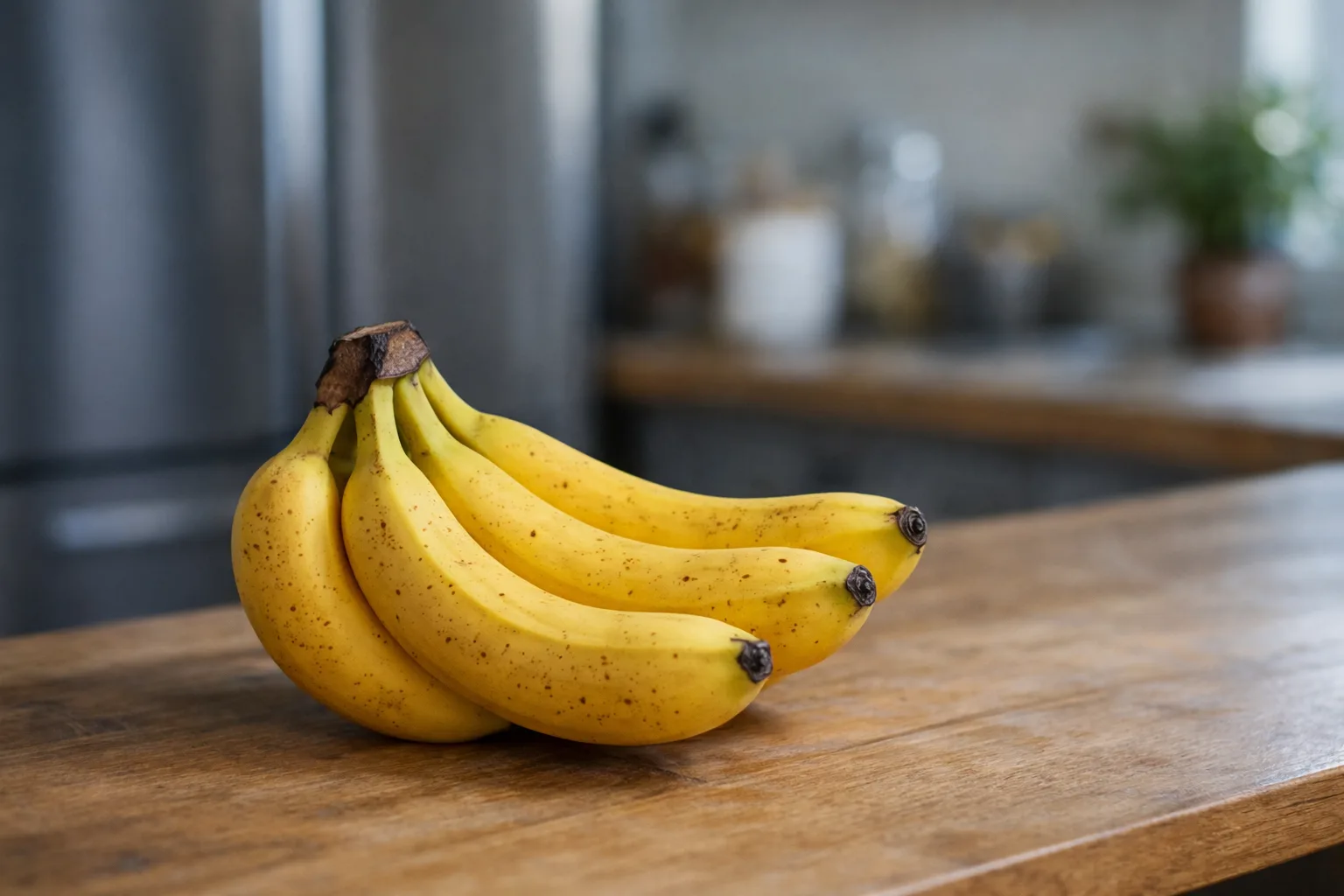
How to Keep Bananas from Ripening Too Quickly at Home
Bananas ripen fast because they release ethylene gas. Learn where to store them, when to use the fridge, and which popular tricks really help.
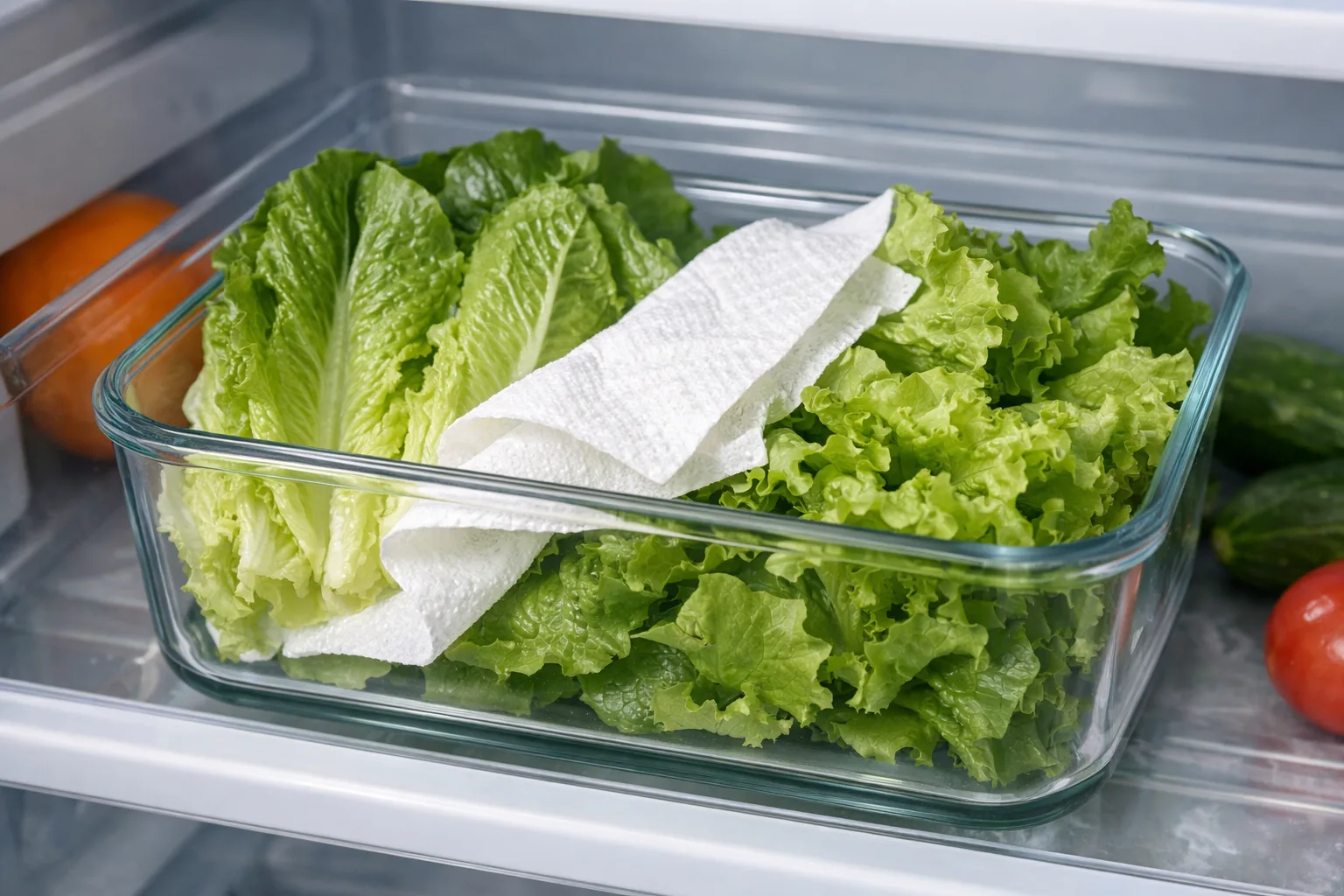
How to Keep Lettuce Crisp in the Refrigerator Longer
A little moisture control can make the difference between crisp lettuce and a soggy bag. Learn how to store whole heads, washed leaves, and leftovers.