How to Store Bread So It Stays Fresh Longer
By WowPebble Editorial
Bread storage balances texture, mould risk and keeping time. Learn when room-temperature storage makes sense, how refrigeration differs, and when to freeze.
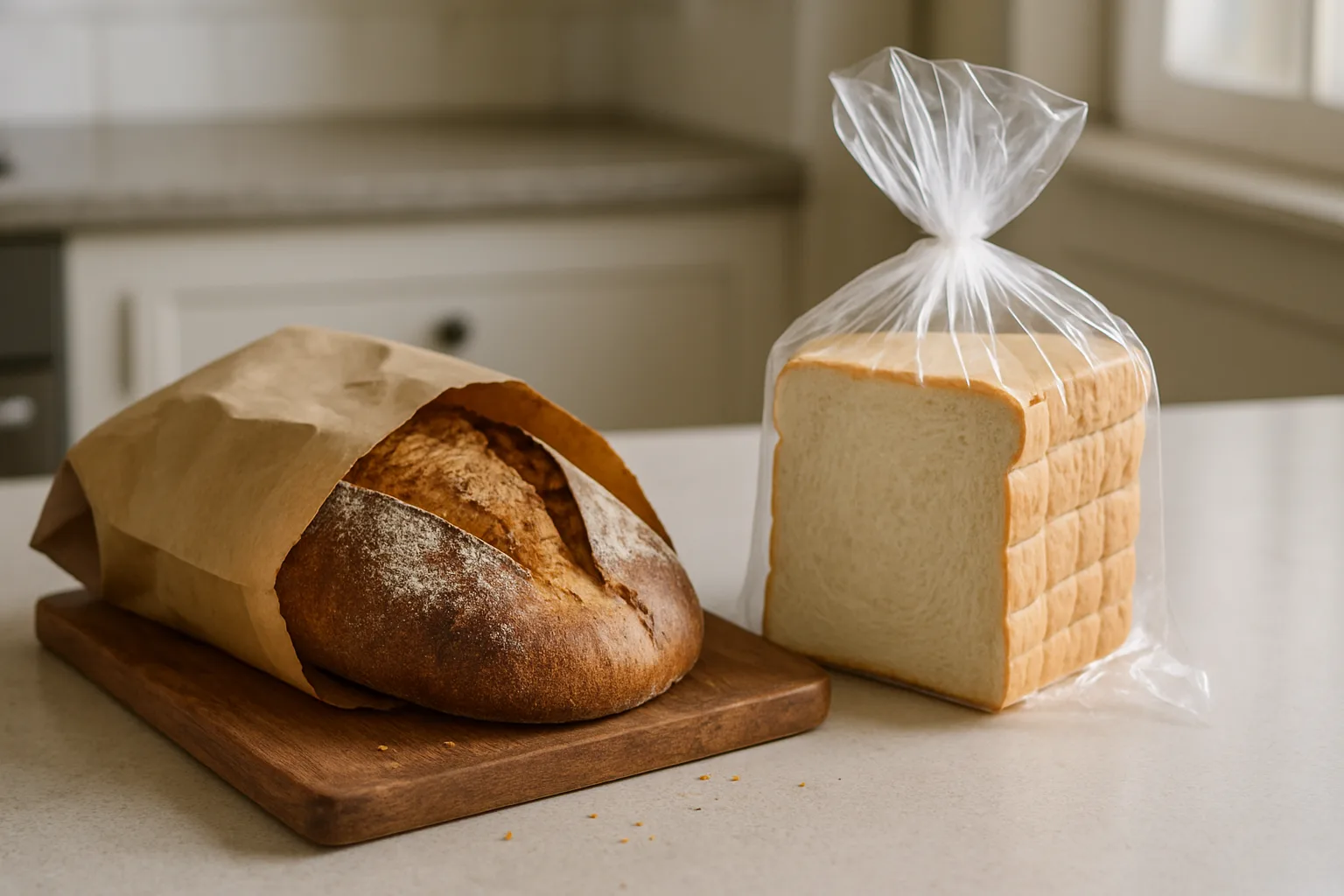
Bread can go stale even before it looks dry, and storage affects texture and spoilage differently. The room-temperature methods below concern ordinary bread whose ingredients and packaging permit that storage. Filled, unusually moist or commercially labelled products may need different treatment; follow their storage directions rather than applying a plain-loaf rule to everything called bread.
The right method depends on the kind of loaf. A crisp, crusty sourdough has different needs from soft sandwich bread, and neither benefits from being left open on the counter. Here’s how to keep each one in good shape for longer.
Why bread goes stale
Staling is not simply bread drying out. After baking, the starches in bread begin to reorganize and firm up, changing the loaf’s texture. This process happens more quickly at typical refrigerator temperatures than it does at room temperature. That is why bread stored in the fridge may feel firm or dry even when it has not lost much moisture.
The PNW university storage guide makes this trade-off explicit: refrigeration can delay mould while making bread stale faster. It recommends freezing for longer storage. Treat that as a quality decision within the loaf's permitted storage conditions, not a reason to ignore a label requiring refrigeration.
Moisture still matters, though. Leave a loaf exposed to air and it can dry out; trap too much moisture in warm packaging and condensation may encourage mold. Good storage is a balance: keep bread protected, but match the packaging to its style and how quickly you plan to eat it.
Store bread at room temperature
If you expect to finish a loaf within a few days, keep it in a cool, dry spot away from direct sunlight, the oven, and other sources of heat. A bread box, pantry shelf, or counter can all work. A bread box helps shield a loaf from drafts and light, but it is not essential—and it cannot make bread stay fresh indefinitely.
For soft sandwich bread, the original plastic bag is usually a practical choice. It helps retain moisture and keeps the loaf from drying out. Close the bag after each use, and avoid squeezing out every bit of air if doing so compresses the bread. If the loaf is still warm, let it cool before sealing it; otherwise, trapped steam can create condensation.
Crusty breads, such as baguettes and many rustic loaves, are best eaten soon after baking. To preserve their crisp crust, store them in a paper bag or wrap them loosely in a clean cloth at room temperature. Plastic keeps the interior from drying as quickly, but it also softens the crust. If you prefer a softer crust or need to hold the loaf a little longer, a bag can be a reasonable trade-off.
If a crusty loaf has been cut, place the cut side down on a clean cutting board when you can. This helps limit the exposed area without wrapping the whole loaf tightly. For longer storage, freezing is a better option than trying to keep a rustic loaf at room temperature for many days.
Why the refrigerator usually isn’t the answer
Putting bread in the fridge may seem like a way to prevent it from spoiling, but it often makes the loaf stale faster. Refrigeration can slow mold growth, yet the colder temperature also speeds the starch changes responsible for a firm, stale texture. For everyday storage, that is usually a poor exchange.
If your kitchen is especially warm or humid and bread tends to grow mold before you can finish it, freezing is generally the better way to extend its life. Follow any storage directions on packaged bread, too: its ingredients and packaging may differ from those of a fresh bakery loaf.
Freeze bread you won’t eat soon
Freezing pauses most of the changes that affect bread’s freshness, making it the most useful option for keeping a loaf beyond the next few days. Freeze bread while it is still in good condition rather than waiting until it has begun to stale.
For convenience, slice the loaf first and freeze the slices in a well-sealed freezer bag. Then you can take out just what you need. Press out excess air without crushing the bread, seal the bag, and label it if you have several kinds of bread in the freezer. A whole loaf can be frozen too, but it will need more time to thaw and is less convenient to portion.
Slices can often go straight from the freezer into a toaster. To thaw a larger piece, leave it wrapped or in its bag at room temperature so moisture is less likely to escape. Avoid repeatedly thawing and refreezing the same bread; portioning it before freezing makes that easier to prevent. Frozen bread is best used while it still tastes and feels good, since freezing preserves quality but does not improve bread that was already stale.
Keep mold from spreading
Store bread in a clean container, and avoid handling it with wet hands or setting it on a damp surface. If your bread box or storage container collects crumbs, wipe them out regularly. Crumbs and leftover moisture can make the storage area less clean and may contribute to spoilage.
If you spot mold on a loaf, discard the whole loaf rather than cutting away the visible patch. Bread is porous, so mold can spread beyond the part you can see. Do not sniff moldy bread closely, and clean the container before using it again.
UConn Extension’s mold guidance treats bread as a discard case, not a cut-away-the-spot case. Toasting or freezing does not make a mouldy loaf an acceptable starting ingredient.
Choose the method that fits your loaf
For soft sandwich bread you will eat soon, use its closed bag on the counter. For a crusty loaf, choose paper or cloth if keeping the crust crisp is a priority, and plan to eat it promptly. For bread you will not finish in a few days, slice and freeze it.
The simplest rule is to skip the fridge for most bread. Room-temperature storage protects everyday texture, while the freezer gives you a practical way to save extra slices or a whole loaf. With the right packaging and a little planning, bread is less likely to turn dry, soft, or moldy before you can enjoy it.
You might also like
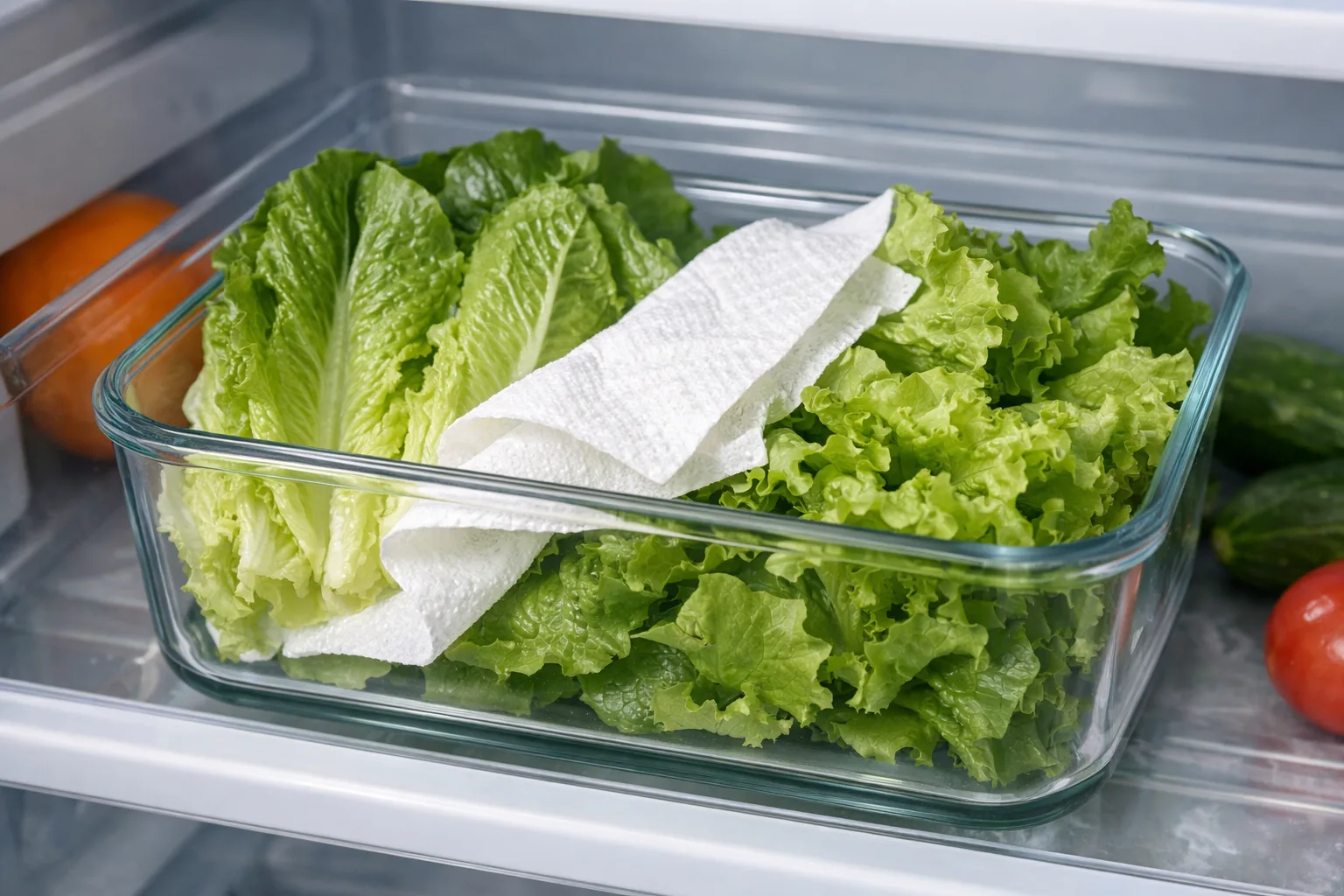
How to Keep Lettuce Crisp in the Refrigerator Longer
A little moisture control can make the difference between crisp lettuce and a soggy bag. Learn how to store whole heads, washed leaves, and leftovers.
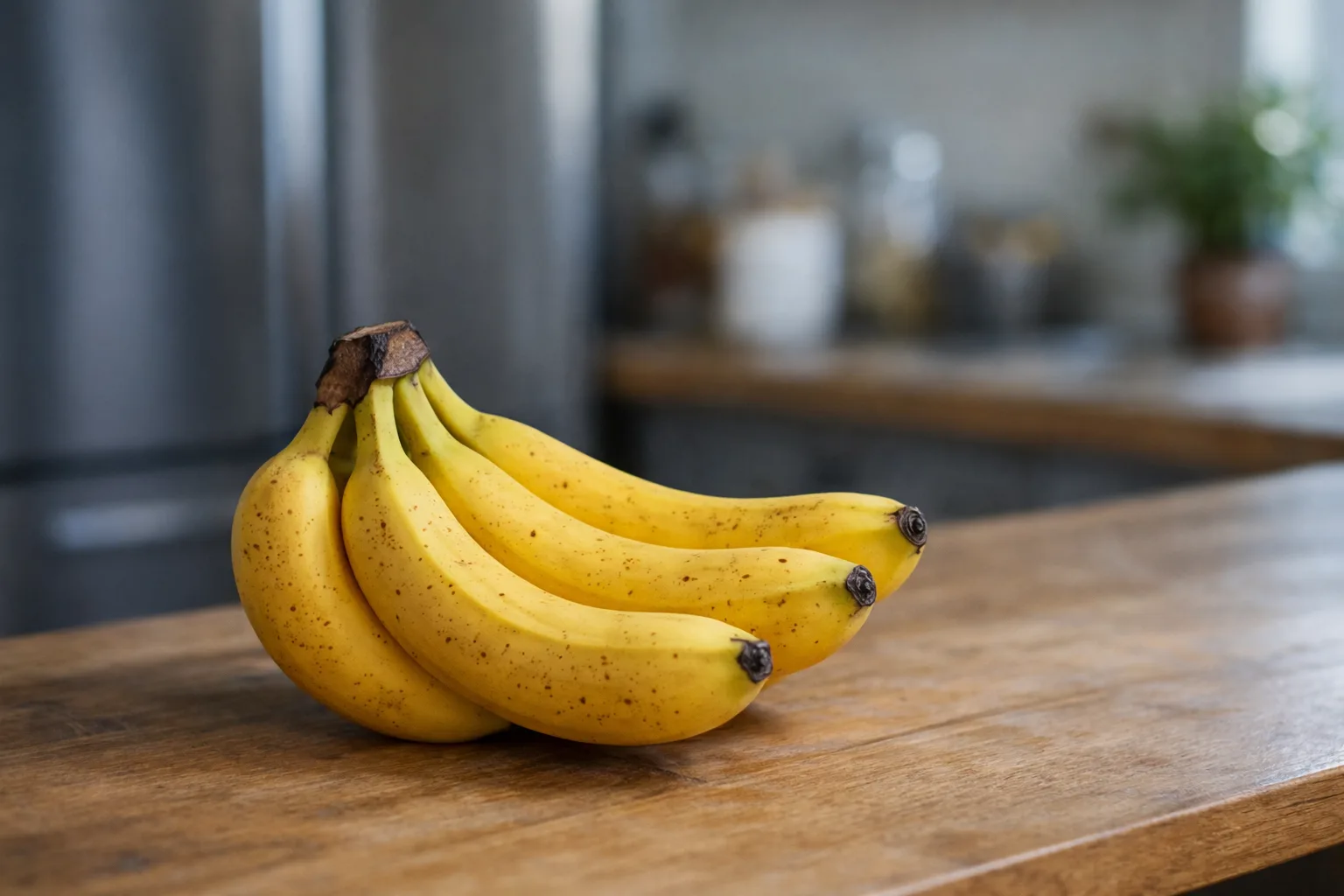
How to Keep Bananas from Ripening Too Quickly at Home
Bananas ripen fast because they release ethylene gas. Learn where to store them, when to use the fridge, and which popular tricks really help.
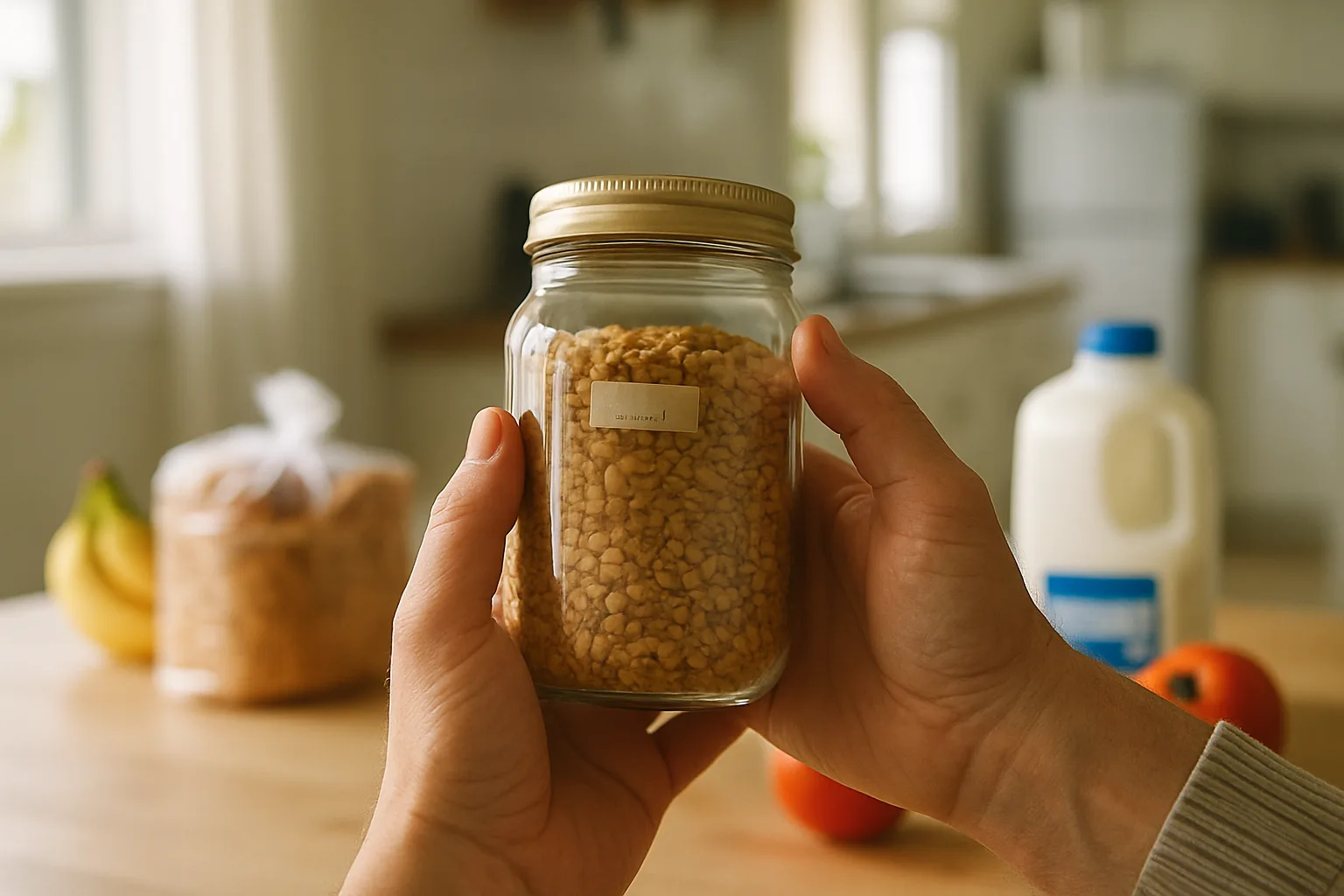
What “Best Before” Really Means—and When Food Is Still Good to Eat
A “best before” date is usually about quality, not a strict safety deadline. Learn how it differs from “use by” and how to store and assess food wisely.