How to Keep Bananas from Ripening Too Quickly at Home
By WowPebble Editorial
Bananas ripen fast because they release ethylene gas. Learn where to store them, when to use the fridge, and which popular tricks really help.
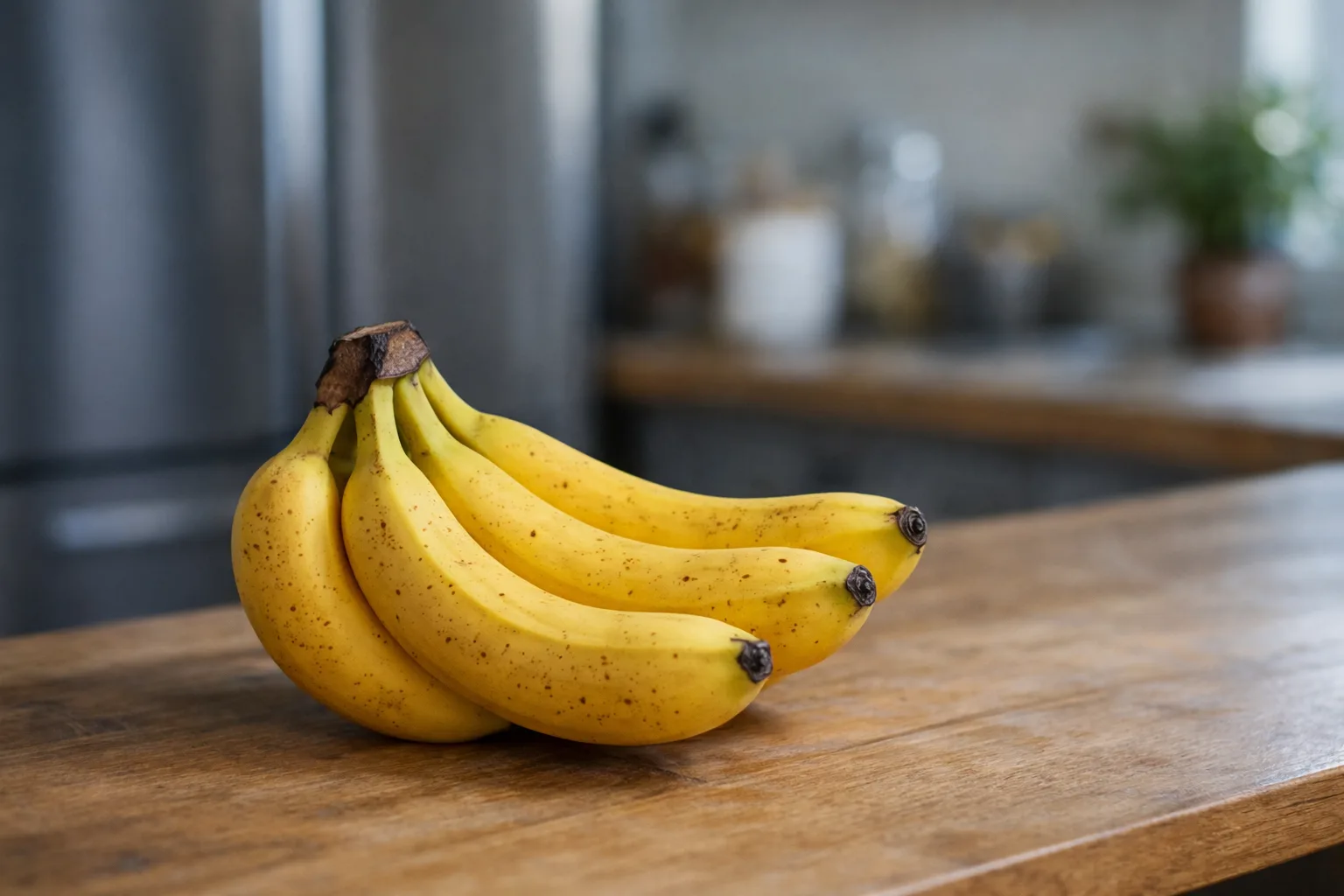
Bananas can go from firm and yellow to heavily speckled in what feels like no time. The reason is not simply that they are delicate: bananas release ethylene, a natural gas that helps fruit ripen. Warmth encourages the process, while cooler conditions slow it. Once you understand those two factors, a few small changes can give you more control over the fruit bowl.
The most useful rule is simple: keep green or just-yellow bananas at room temperature until they reach the ripeness you want, then put them in the refrigerator to slow further ripening. The peel may darken in the fridge, but the fruit inside can stay pleasantly firm and edible for longer.
Why bananas ripen so quickly
Bananas are climacteric fruit, which means they continue to ripen after harvest. As they ripen, they produce ethylene and respond to it, setting off changes in color, texture, aroma, and sweetness. The peel changes from green toward yellow, the flesh softens, and brown spots may appear.
Temperature matters, too. A warm kitchen, a sunny windowsill, or a spot beside an oven can speed those changes. The amount of time a banana lasts will also depend on how ripe it was when you bought it. There is no single storage trick that can make every bunch keep for the same number of days, but the right setting can help you avoid unnecessary speed-ups.
Choose a cool, dry spot out of the sun
If your bananas are still green or only partly yellow, leave them at room temperature in a place away from direct sunlight and household heat. A shaded counter or pantry shelf with some air circulation is usually a better choice than the top of a refrigerator, a warm appliance, or a bright windowsill.
Avoid sealing unripe bananas in a plastic bag. Trapped moisture can encourage condensation, and the bag does not provide the cool, dry conditions that help slow ripening. A fruit bowl or an open countertop is fine. Keep bananas away from very cold spots as well if you want them to finish ripening naturally.
Move ripe bananas to the refrigerator
Once bananas are as ripe as you like them, refrigeration can buy you extra time. The cold slows the ripening process, though it can cause the peel to turn dark brown or nearly black. That change in color can be surprising, but it does not automatically mean the banana inside has spoiled. Peel one and check the flesh: if it smells normal and has a texture you like, it is still suitable to eat.
This approach works best for bananas that have already become yellow and ripe. Very green bananas may ripen poorly in the cold, with changes to their color and texture, so let them ripen at room temperature first. If you prefer a soft, sweet banana, wait until it reaches that stage before chilling it.
Give the bunch a little space
Bananas sitting in a crowded fruit bowl may be exposed to warmth and to ethylene released by nearby fruit. If you have room, keep them separate from ripe apples, pears, avocados, and other fruit that releases ethylene as it ripens. This is not a guarantee that bananas will stay green, but it can reduce one source of exposure.
You can also separate the bananas from one another. This makes it easier to take just one when you need it and may reduce how much fruit is crowded together. Some people wrap the stem ends with plastic wrap or foil, hoping to block ethylene. It may make a modest difference in some conditions, but it is not a dependable way to stop ripening. Temperature and the fruit's starting ripeness matter more.
A hanging banana hook can keep the fruit from being pressed against a counter or piled under other produce. It is useful for avoiding bruises and improving airflow, but it does not halt the natural ripening process.
Don't use a paper bag to slow them down
Paper bags are sometimes recommended for ripening fruit, but that is the opposite of what you want when bananas are already ripening too fast. A bag can hold ethylene close to the fruit and help it ripen sooner. If your bananas are too green and you want them to ripen more quickly, placing them in a paper bag with another ripe fruit can help. For slowing ripening, keep the bananas in an open, cooler spot instead.
Washing bananas before storing them is unnecessary. If you do wash them, dry them well; excess moisture on the peel can create less favorable storage conditions. It is simplest to wash your hands and the banana before eating, rather than washing the whole bunch in advance.
What to do with bananas that are already very ripe
If the peels are spotted and the fruit has become soft, you can still put the bananas in the refrigerator if you plan to eat them soon. For longer storage, peel them and freeze them. Freeze the fruit whole or cut into pieces in a freezer-safe container or bag. Frozen banana works well in smoothies and baking; its texture will be soft after thawing, so it may not be ideal for eating as a fresh snack.
You can also use very ripe bananas in banana bread, pancakes, or oatmeal. Their soft texture makes them easy to mash, and their sweetness can suit recipes that call for ripe fruit. If you do not have a use for them right away, freezing is a practical way to keep them from going to waste.
A simple storage routine
When you bring bananas home, check how ripe they are. Leave green and partly yellow fruit at room temperature, away from sun and heat. Keep it out of a sealed bag and, if convenient, away from other ripe fruit. When the bananas reach the texture and sweetness you prefer, move them to the refrigerator. Ignore a darkened peel and judge the fruit inside. If you cannot use the bananas in time, peel and freeze them.
There is no need for an elaborate setup. A cooler spot, sensible timing, and the fridge at the right stage are usually enough to make bananas last longer without sacrificing the way they taste.
You might also like
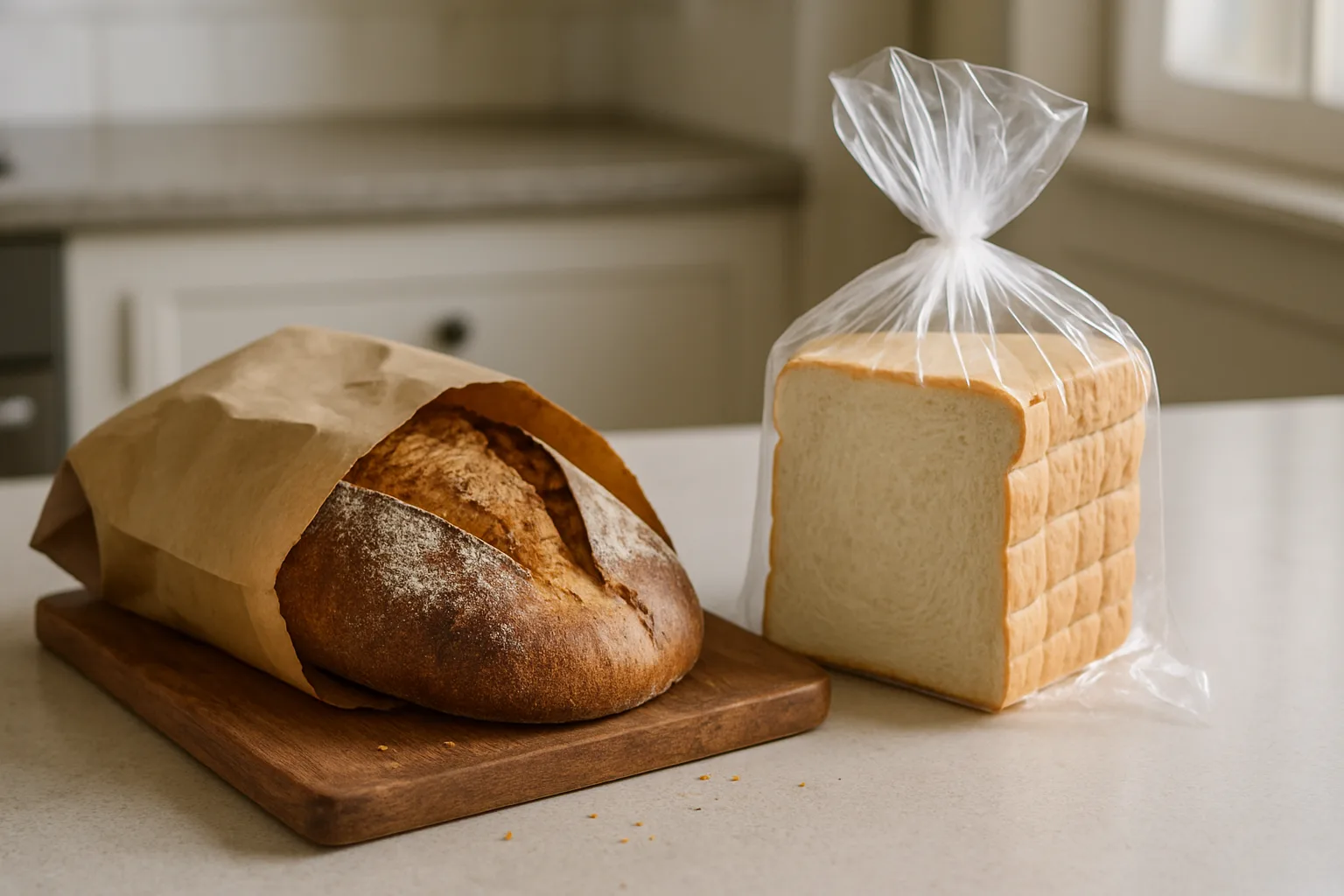
How to Store Bread So It Stays Fresh Longer
Bread storage balances texture, mould risk and keeping time. Learn when room-temperature storage makes sense, how refrigeration differs, and when to freeze.
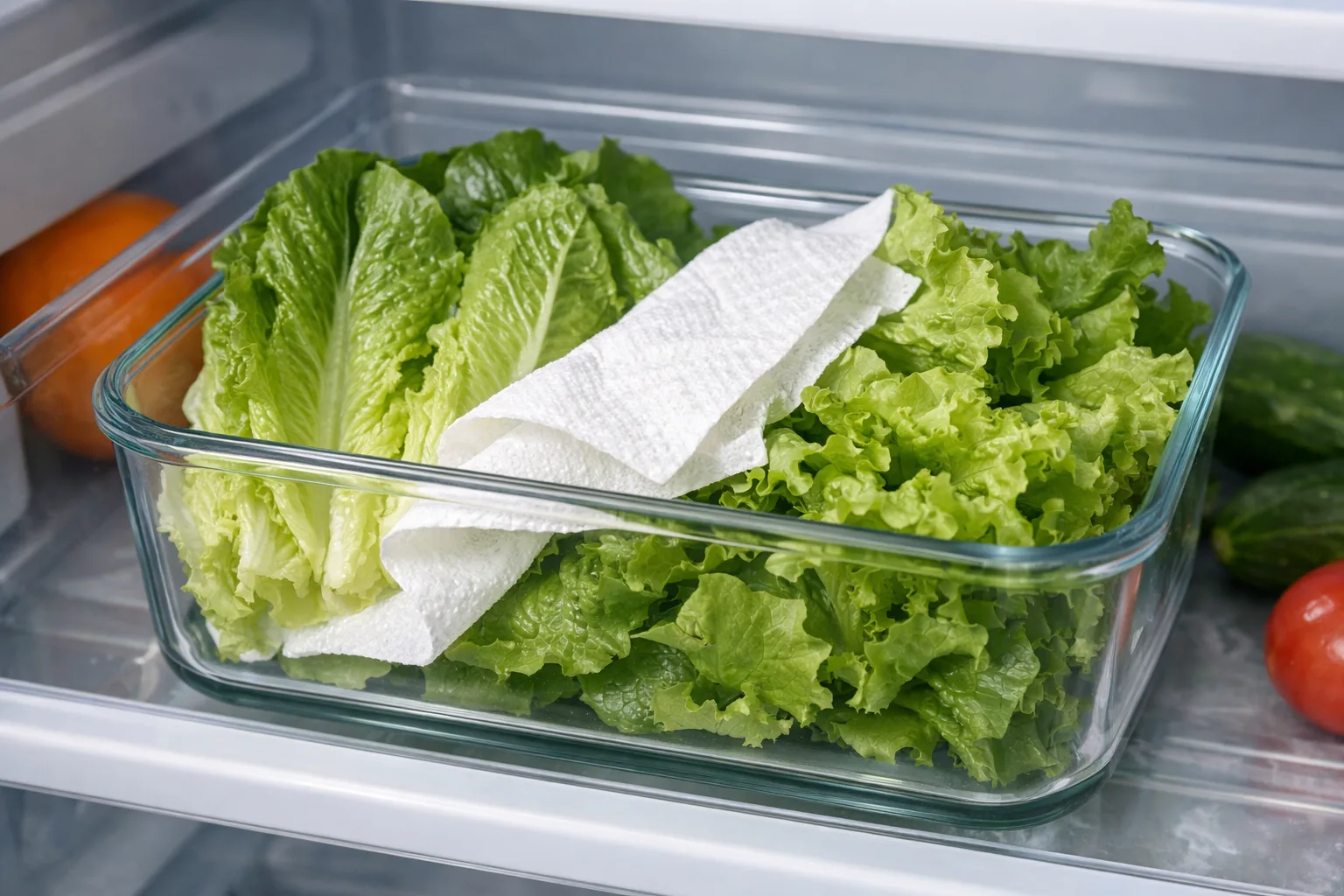
How to Keep Lettuce Crisp in the Refrigerator Longer
A little moisture control can make the difference between crisp lettuce and a soggy bag. Learn how to store whole heads, washed leaves, and leftovers.
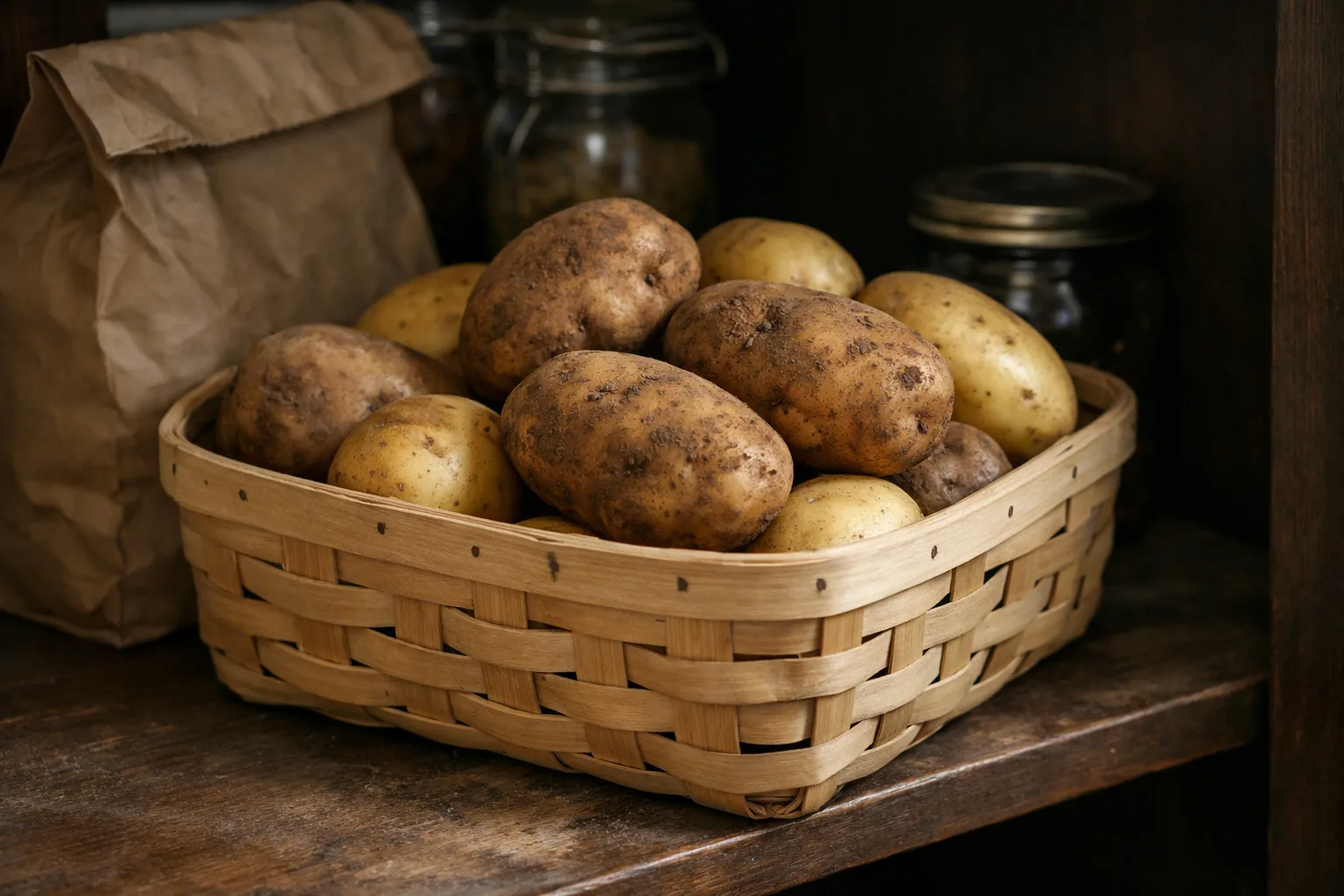
How to Store Potatoes So They Sprout More Slowly
Keep potatoes cool, dark, dry and well ventilated to slow sprouting. Learn which containers work, where to store them and what to avoid.