Simple Ways to Make Your Morning Less Chaotic
By WowPebble Editorial
Find the recurring delays in your morning, prepare only what helps, and build a departure routine around your household’s actual needs and schedule.
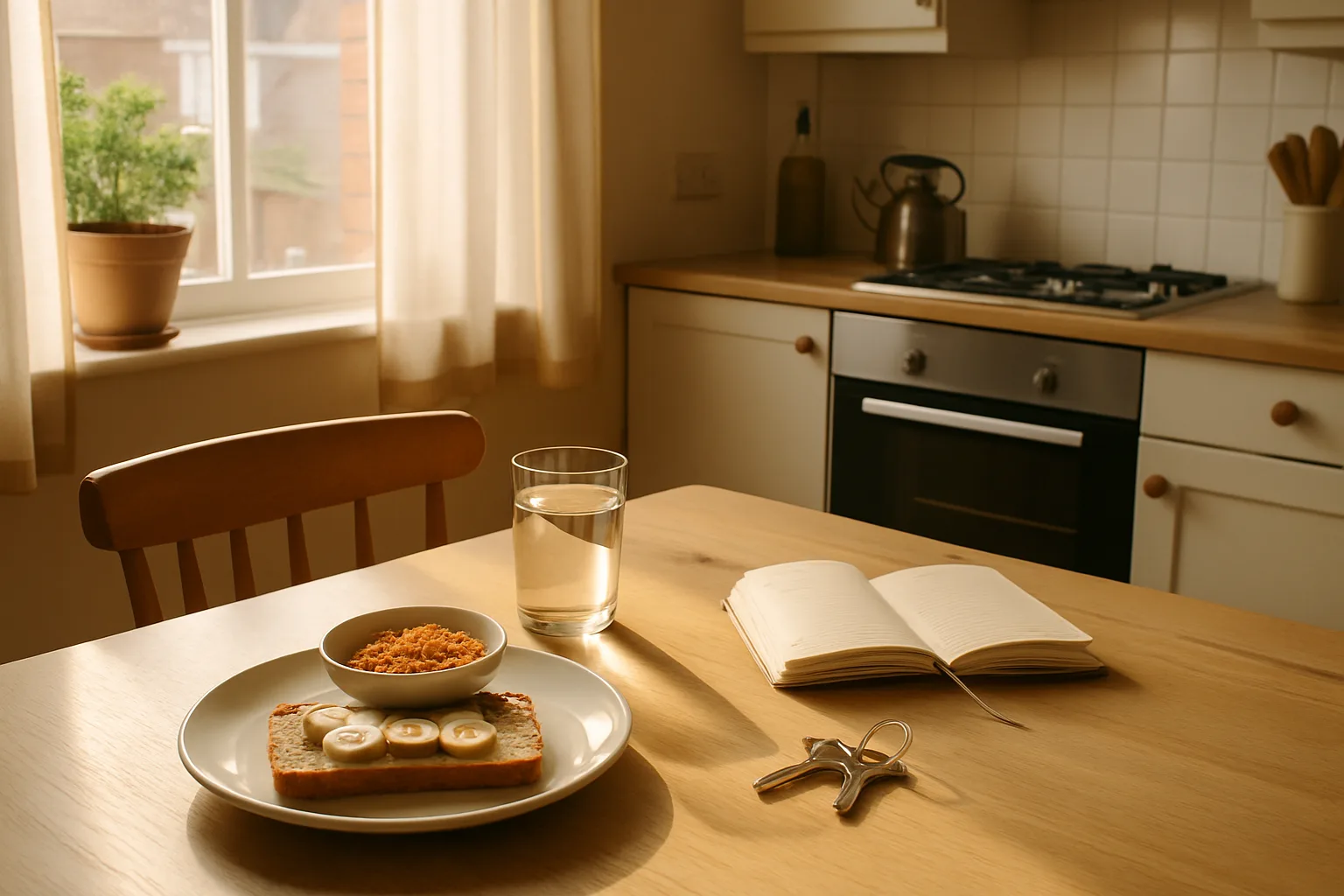
A less chaotic morning starts with identifying the delay, not automatically setting an earlier alarm. Missing belongings, competing use of a bathroom and an unrealistic departure time call for different changes. Use the sequence below to build a routine around the way your household actually leaves home.
Find the first repeated delay
Think through a recent difficult morning in order. Where did the plan first slip? Record the concrete event: “the bag was not packed,” “two people needed the bathroom,” or “the bus left before I reached the stop.” Avoid treating “be more organised” as the diagnosis.
Change one repeated bottleneck first. If the problem begins with a late departure decision, reorganising a drawer may not help.
Work backward from leaving
Choose the time you need to leave, then place the necessary actions before it. Include travel to a stop or car, required equipment and shared household tasks. Allow some room for ordinary variation if your schedule permits it.
For example, if two people need one bathroom, agree on an order before the morning. That example is a possible arrangement, not a timetable that fits every family.
Move the right task to the previous evening
Prepare the item that repeatedly causes delay: check the appointment details, select suitable clothes or put required documents with the bag. You do not need to prepare everything. Leave food storage, medication and other tasks with specific instructions under their own requirements rather than following a blanket “do it the night before” rule.
If plans change frequently, a short evening check may be more useful than a fully packed bag based on yesterday's assumptions.
Make the departure point functional
Keep the belongings needed for this departure together where they can be collected safely. Do not block an exit with bags or shoes. In a small home, a clear existing surface may be enough; buying storage is not the first step.
For a crowded entrance, the separate guide to organising a small entryway deals with what should live there permanently. This morning check is only about what must leave with you today.
Use a short final check
Build a check around items whose absence would matter: required keys, travel ticket, work equipment or a particular document. Look at today's requirements rather than following a long permanent list of everything you own.
Keep useful phone functions available. If checking the weather turns into an unrelated delay, separate that necessary check from messages or entertainment instead of banning the phone indiscriminately.
Prepare one fallback for a likely disruption
Choose a realistic response to the disruption that happens most often. For a missed departure, know whom to notify or which alternative route to check. For a forgotten item, decide whether returning for it is necessary before automatically losing more time.
Review the next few mornings by the original problem. If the same delay remains, adjust that part of the routine. If the change helps, keep it simple rather than adding more preparation for its own sake.
You might also like

7 Tiny Habits That Can Make Your Day Feel Easier
Seven small, practical habits for recurring daily frustrations, with a concrete action and a way to decide whether each change is useful for you.
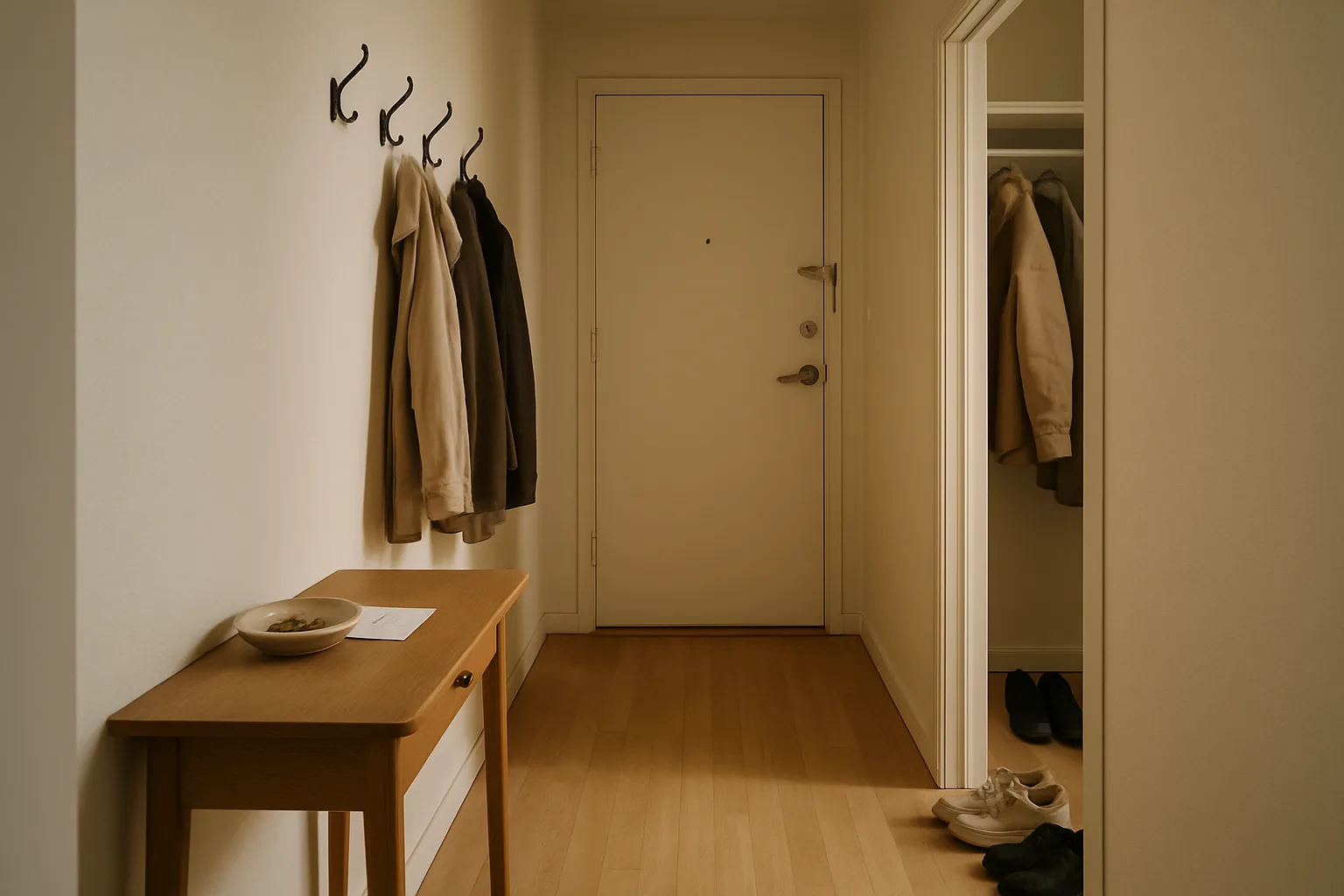
How to Organize a Small Entryway Without Adding More Storage
A calmer entryway doesn’t require another shelf or basket. Make better use of what you already have with a few simple zones, clear limits, and daily habits.
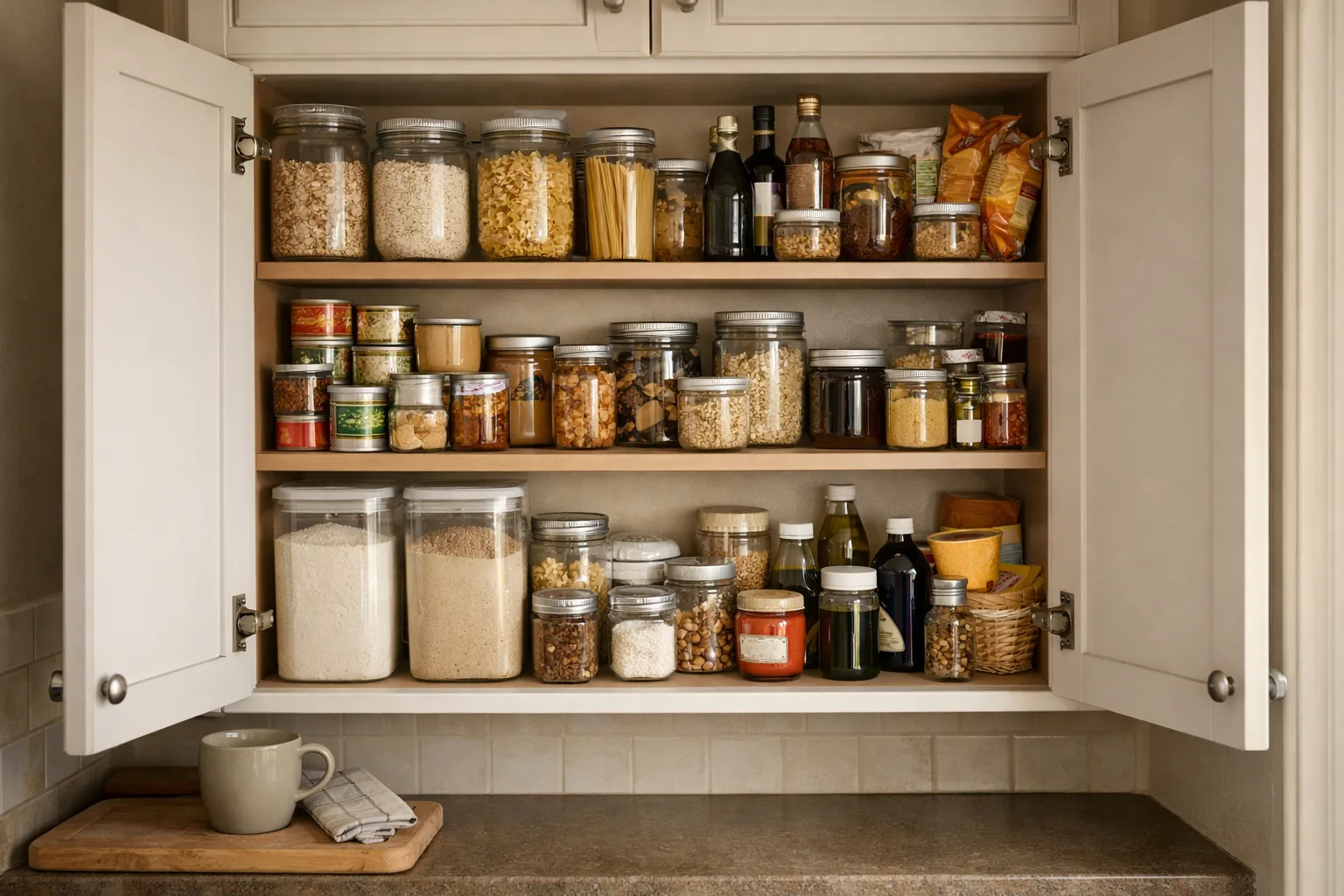
How to Set Up a Pantry So Everyday Ingredients Are Easy to Find
A well-organized pantry saves time, cuts down on forgotten food, and makes cooking easier. Build a simple system around what you use most.