7 Tiny Habits That Can Make Your Day Feel Easier
By WowPebble Editorial
Seven small, practical habits for recurring daily frustrations, with a concrete action and a way to decide whether each change is useful for you.
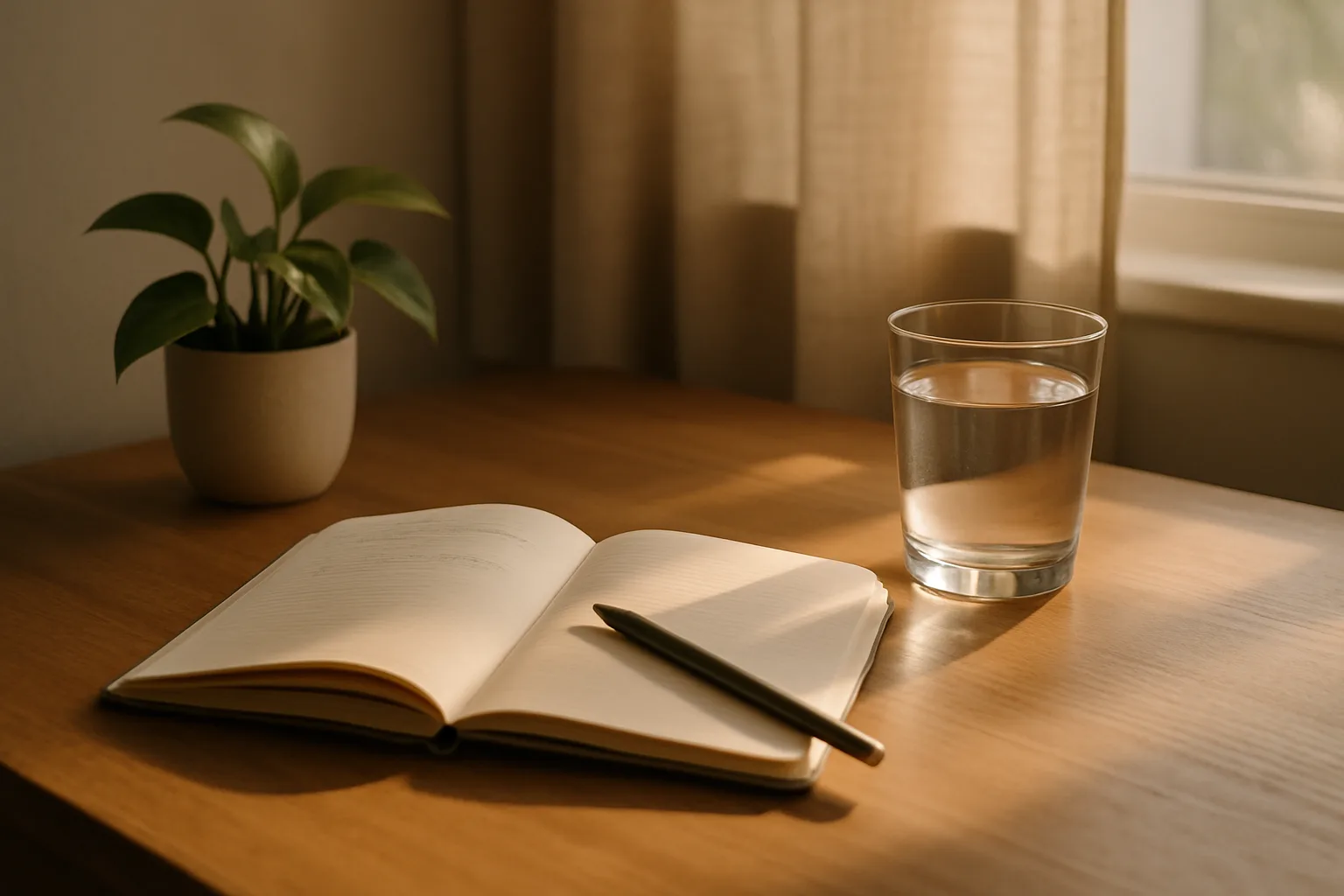
Tiny habits are most useful when they solve a recurring nuisance you can name. Instead of adopting a complete routine, choose one of these seven situations, try the matching action and decide whether it removes work from your day. The examples are suggestions, not results from an experiment or promises about health or productivity.
1. Give a frequently lost object a return point
Choose one object you regularly search for, such as glasses or headphones. Put it in the same reachable place when you finish using it. Choose a location that works during the activity, rather than a tidy-looking place you rarely pass.
Check whether you still search for it. If you do, move the return point closer to where you naturally stop using the object.
2. Write the next action when you pause a task
Before closing a document or leaving a project, note the next concrete action: “check the date on the invoice” is more usable than “finish paperwork.” Keep the note with the task, where you will see it when you return.
The test is whether you can restart without reconstructing what you meant to do. This is a reminder, not another planning system.
3. Put a replacement on the shopping list when you notice it
When an item is nearly finished, add its name to the list you actually use. Include a size or specification if choosing the wrong version would matter. Do not create a second list that no one checks.
Before shopping, compare the list with what is already at home. If several people buy supplies, agree on one place to record them.
4. Reset the part of a surface you need next
After a small activity, clear the space required for the next one: the chopping area after preparing food, or the place where you open a laptop. A reset can mean returning two objects, not cleaning an entire room.
If resetting always takes too long, reduce what belongs on that surface. Judge it by whether the next task can start easily, not by whether the room looks perfect.
5. Decide where an incoming item goes
When mail, a borrowed object or a parcel arrives, choose its next destination. A bill can go with the place you handle payments; an item to return can go with the relevant reminder. A temporary holding place needs a next action, otherwise it becomes permanent storage.
Avoid leaving sensitive papers where visitors or passers-by can read them.
6. Record a commitment while its details are available
When you arrange something, save the time, place and any preparation in the calendar or reminder you rely on. Choose the reminder time according to the action needed: a document you must obtain beforehand needs earlier notice than a short call.
Check the saved entry once. A reminder with the wrong date is no better than an absent one.
7. Remove one small obstacle before stopping
Before leaving an activity, do the small finishing action that otherwise creates a second task: return a tool, put a reusable bag with the next shopping list, or save a file where you can find it. Do not turn this into a requirement to prepare an entire day in advance.
For a full leaving-home routine, use the separate guide to making mornings less chaotic. Here, choose only one recurring friction point. Keep the habit if it helps; change or drop it if it adds more steps than it saves.
You might also like
Simple Ways to Make Your Morning Less Chaotic
Find the recurring delays in your morning, prepare only what helps, and build a departure routine around your household’s actual needs and schedule.
10 Everyday Things You May Be Using Wrong
Check ten everyday habits against the product you actually own, with practical corrections and limits for laundry, kitchen tools, bottles, backpacks and more.
How to Store Potatoes So They Sprout More Slowly
Keep potatoes cool, dark, dry and well ventilated to slow sprouting. Learn which containers work, where to store them and what to avoid.