How to Set Up a Pantry So Everyday Ingredients Are Easy to Find
By WowPebble Editorial
A well-organized pantry saves time, cuts down on forgotten food, and makes cooking easier. Build a simple system around what you use most.
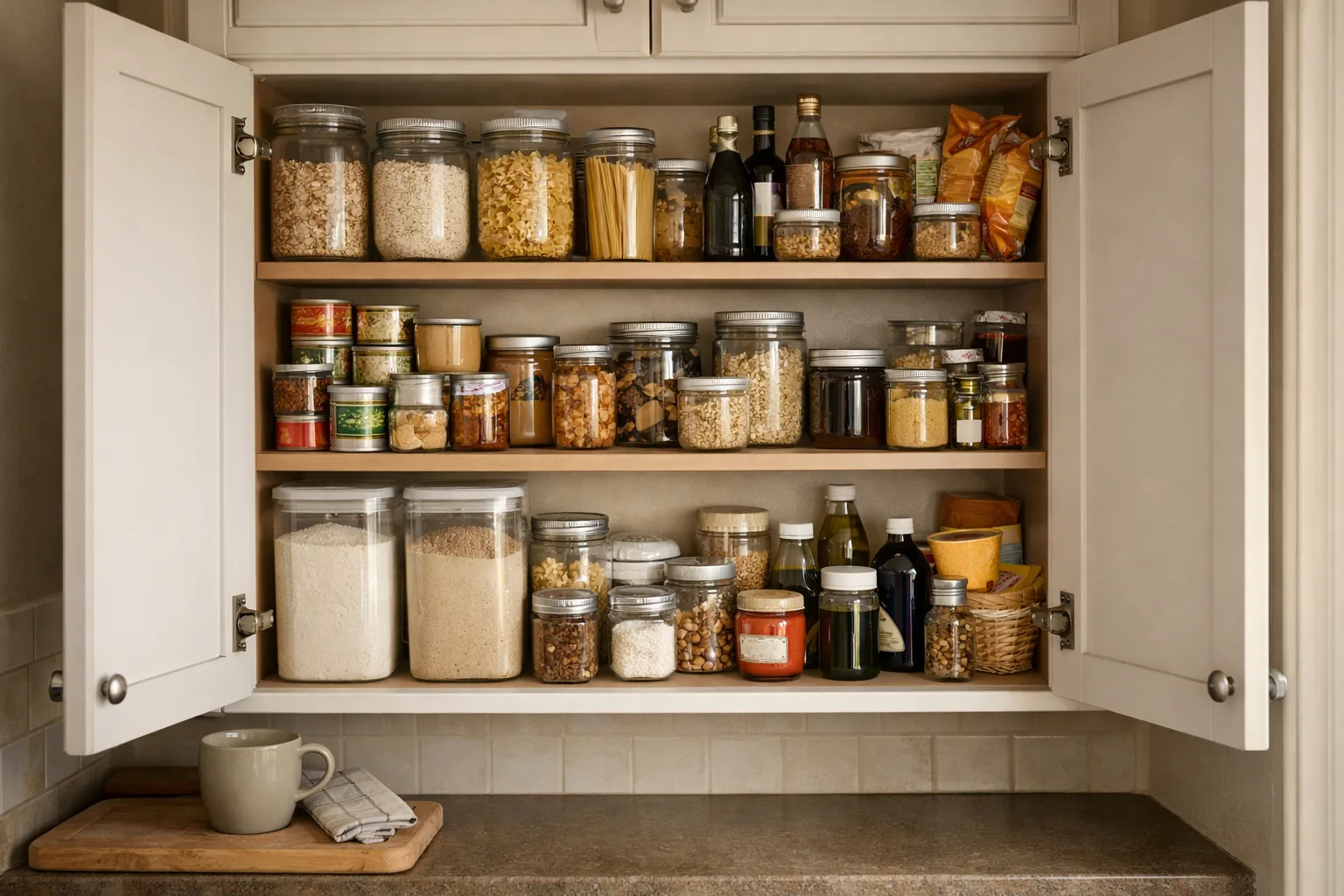
A pantry works best when it reflects the way you cook. Put everyday ingredients where you can see and reach them, group similar foods together, and give each item a clear home. That simple approach can make weeknight meals smoother and help you notice what you already have before buying more.
You don’t need a large walk-in cupboard or matching containers to get there. A kitchen cabinet, a few sturdy bins, and a short reset every so often can make a real difference. The goal isn’t a picture-perfect shelf; it’s a setup that makes the next ingredient easy to find.
Start with a clear-out
Take everything out of the pantry so you can see what you’re working with. Wipe down the shelves, then check packages for damage, signs of pests, or food that is past its date. When you’re unsure whether something is still suitable to eat, follow the product’s storage guidance and use your judgment rather than relying on appearance alone.
As you sort, group items into broad piles: grains and pasta, canned food, baking supplies, snacks, breakfast items, oils and condiments, and anything else that fits your household. Keep foods you use regularly, set aside unopened items you won’t use for donation if local rules allow, and dispose of anything that is spoiled or unsafe.
This first sort also reveals your actual habits. If you cook rice several times a week but rarely bake, rice deserves a more convenient spot than specialty sprinkles. Organize around what you reach for, not what you think an ideal pantry should contain.
Give everyday ingredients the best spots
Place frequently used foods between waist and eye level, where they’re easy to reach and scan. This might include pasta, rice, canned tomatoes, beans, cooking oil, or the ingredients you use for breakfast. Less-used baking supplies or occasional ingredients can go higher or farther back, as long as they remain visible and accessible.
Keep heavier items on lower shelves. Put snacks, lunch supplies, or breakfast ingredients where the people who use them can reach them safely. If children share the pantry, a low bin for suitable snacks can make the arrangement easier for everyone.
Think in zones rather than trying to line up every item by height or color. A baking zone, a meal-making zone, and a snack zone are simple starting points. When each type of food has a predictable home, putting groceries away—and finding them later—takes less thought.
Group foods in ways that match your routine
Broad categories are usually more useful than highly detailed labels. Keep pasta and grains together, canned beans and vegetables together, and baking ingredients in one area. If you often cook a particular kind of meal, you might also keep its common ingredients near one another—for example, tortillas, salsa, and canned beans.
Use bins to contain small or loose packages, such as seasoning packets, tea bags, or snack bars. A bin can be pulled forward like a drawer, which helps prevent items at the back from disappearing. Choose bins that fit the shelf and are easy to lift; clear sides can make contents easier to spot, but any sturdy container can work.
Avoid making categories so narrow that they create extra work. If a system needs frequent relabeling or careful rearranging, simplify it. The best organization is the one you can maintain during an ordinary grocery shop.
Choose containers selectively
Airtight containers can help protect opened dry foods from moisture and pests, and they can make contents easier to see. They’re useful for foods you buy in bulk or use often, such as flour, oats, rice, or cereal. But transferring every item is not necessary.
Keep the original packaging when it provides important cooking instructions, allergen information, or storage guidance. If you do decant a food, label the container with its name and, when helpful, the date you opened it. Keep the package nearby until you’re sure you won’t need its details.
Use clean, completely dry containers, and don’t top up a partly used container with a new purchase. Empty and wash it before refilling so older food doesn’t get buried beneath newer food. Containers should fit the food and the shelf; a collection of awkward sizes can take up more space than the packages they replace.
Store food with freshness in mind
Most dry pantry foods keep best in a cool, dry place away from direct sunlight. Heat, moisture, and light can affect quality, so avoid putting a pantry next to a warm appliance or storing food under a sink where leaks may go unnoticed. Follow package instructions for products that need special handling after opening.
Keep cleaning products and other household chemicals separate from food. If the pantry is in a humid area, pay attention to dampness and make sure shelves and containers remain dry. These practical steps help protect food as well as keep the cupboard easier to clean.
When putting away groceries, move older packages toward the front and place newer ones behind them. This simple first-in, first-out habit makes it more likely that food gets used in a sensible order. Check dates and package directions as you go, especially for items that have been open for a while.
Make a small pantry work harder
In a narrow cupboard, use the full depth without letting the back become a hiding place. A shallow bin can gather similar packages and slide out for a quick look. Shelf risers can make use of vertical space by lifting a second row of cans or jars, while a turntable may help corral bottles in a corner.
Measure shelves before buying organizers. Leave enough room to remove containers without scraping them against one another, and keep heavy items stable. If you don’t want to buy anything, reuse clean boxes or small baskets you already have to group packets and bags.
For open shelving, keep frequently used foods in stable containers and consider how much light, dust, and cooking steam the shelves receive. If the space is visible from the rest of the room, a few consistent bins can make it look calmer without requiring you to hide every package.
Keep the system easy to maintain
A pantry doesn’t need a complicated inventory. A quick glance before shopping can show whether you have enough of the staples you rely on. For ingredients that often run out, keep a short list on your phone or near the pantry and add items when they’re finished.
Once in a while, return misplaced items to their zones, wipe up crumbs, and bring older packages forward. The right interval depends on how much you cook and how quickly food moves through your home. A short reset is usually easier than waiting until shelves become difficult to use.
A useful pantry is less about perfect containers than clear choices: everyday ingredients within reach, similar foods together, and enough visibility to know what’s there. Set it up around your own meals, and finding the next ingredient becomes one less thing to think about.
You might also like
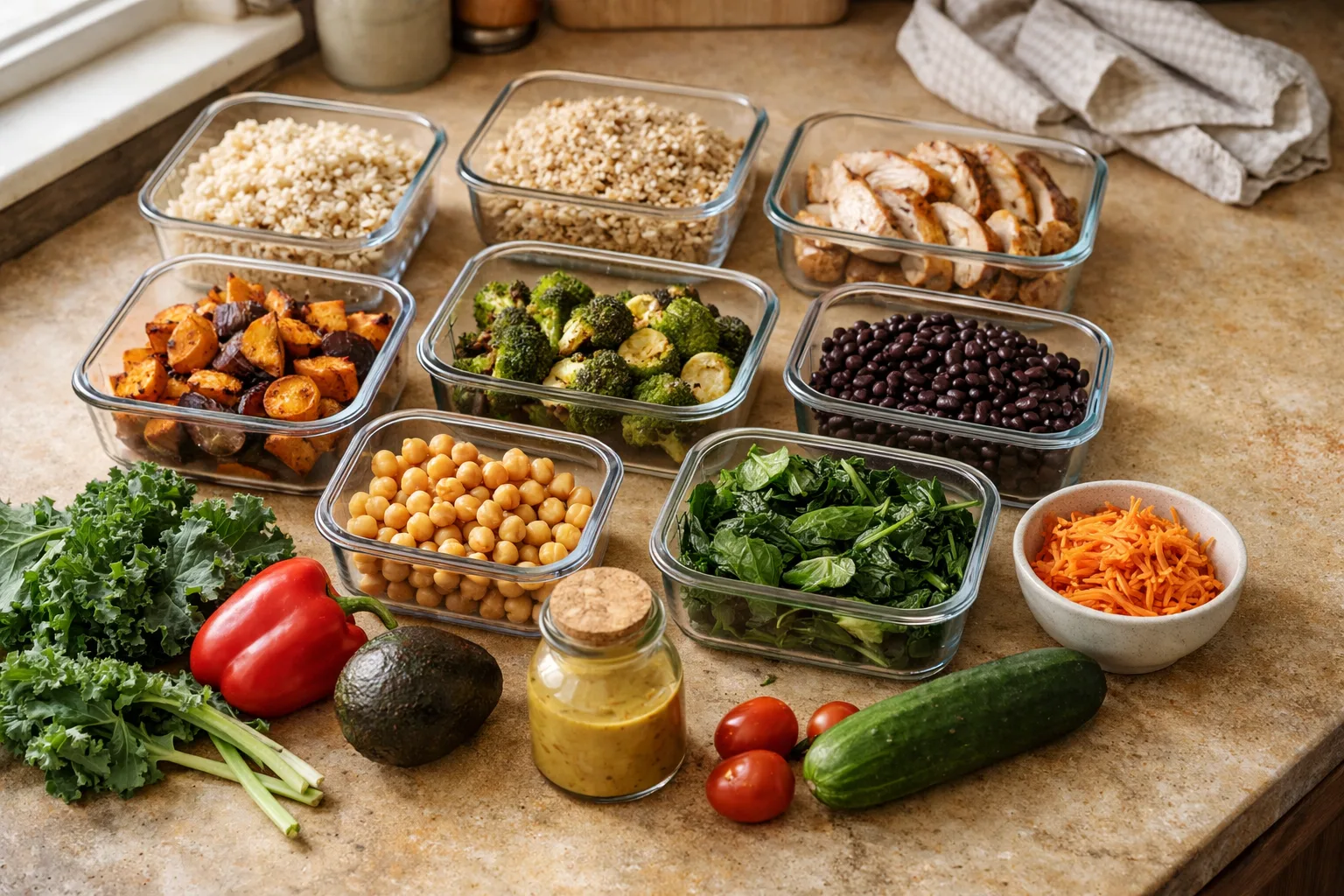
How to Plan a Week of Meals Without Cooking Every Day
A little planning can turn two cooking sessions into a week of satisfying meals. Build a flexible menu, prep versatile ingredients, and store them safely.
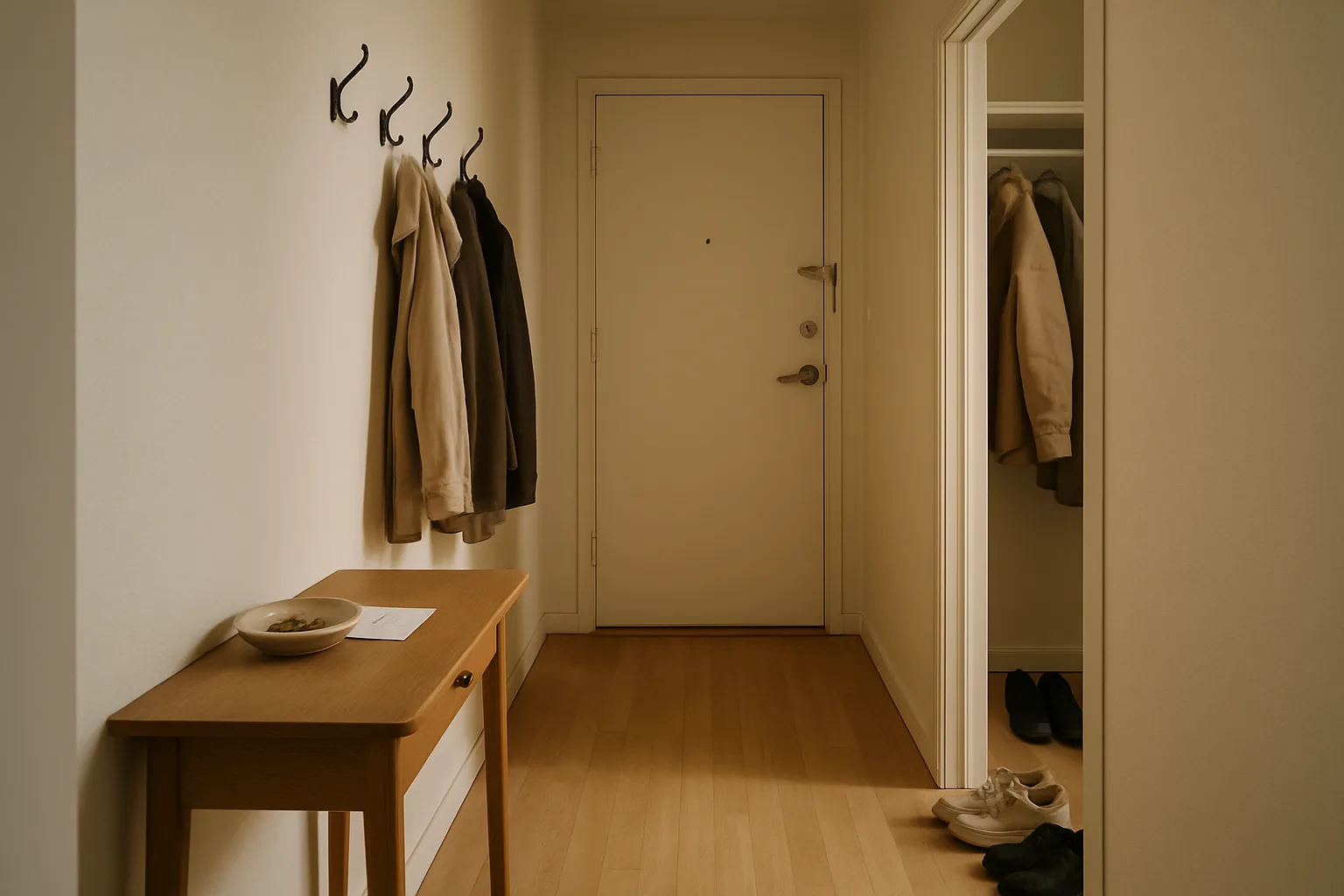
How to Organize a Small Entryway Without Adding More Storage
A calmer entryway doesn’t require another shelf or basket. Make better use of what you already have with a few simple zones, clear limits, and daily habits.
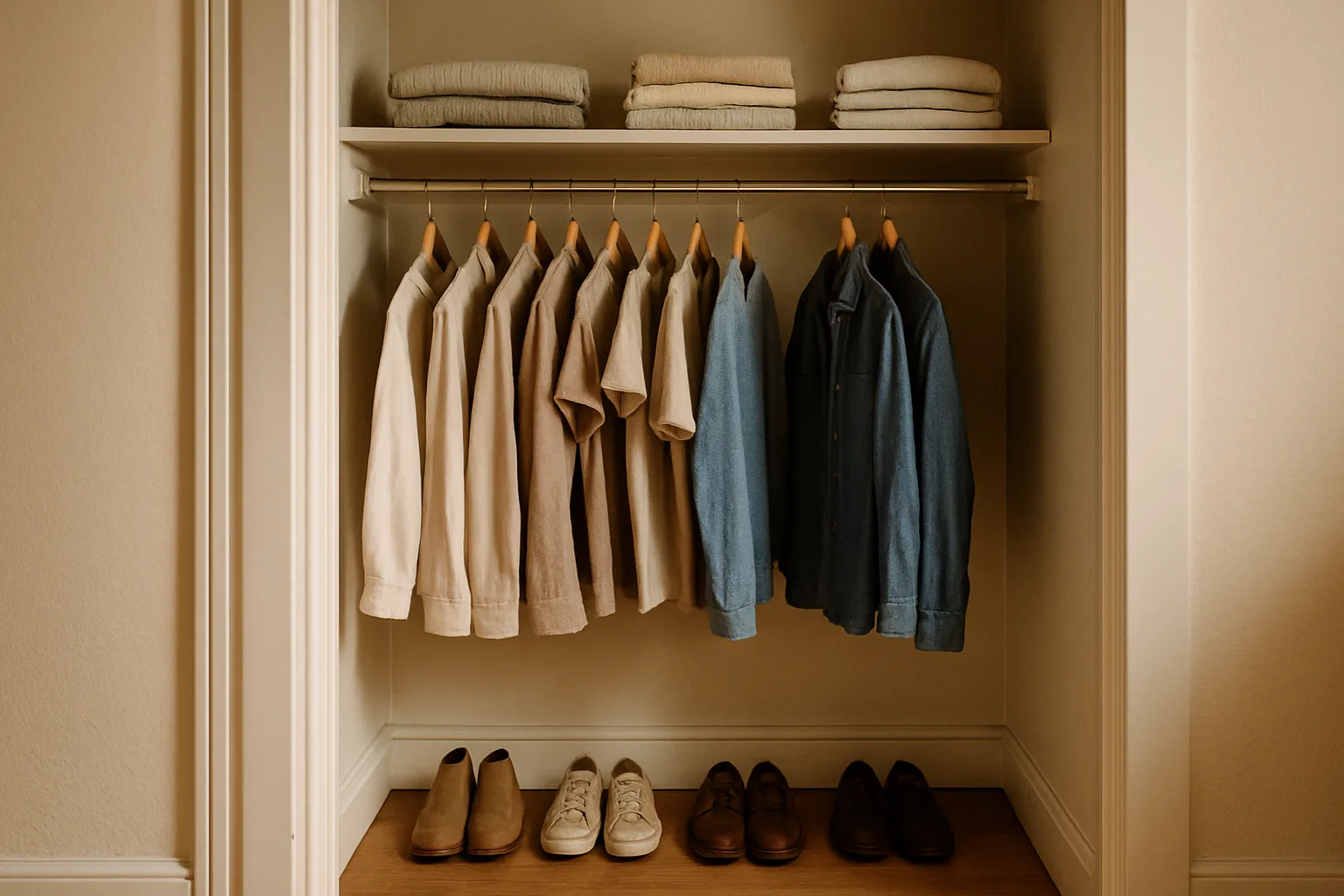
How to Keep a Small Closet Organized Without Buying More Storage
A tidy small closet doesn’t require new bins or shelves. Make better use of the space you have by editing your belongings and giving each item a clear place.