How to Plan a Week of Meals Without Cooking Every Day
By WowPebble Editorial
A little planning can turn two cooking sessions into a week of satisfying meals. Build a flexible menu, prep versatile ingredients, and store them safely.
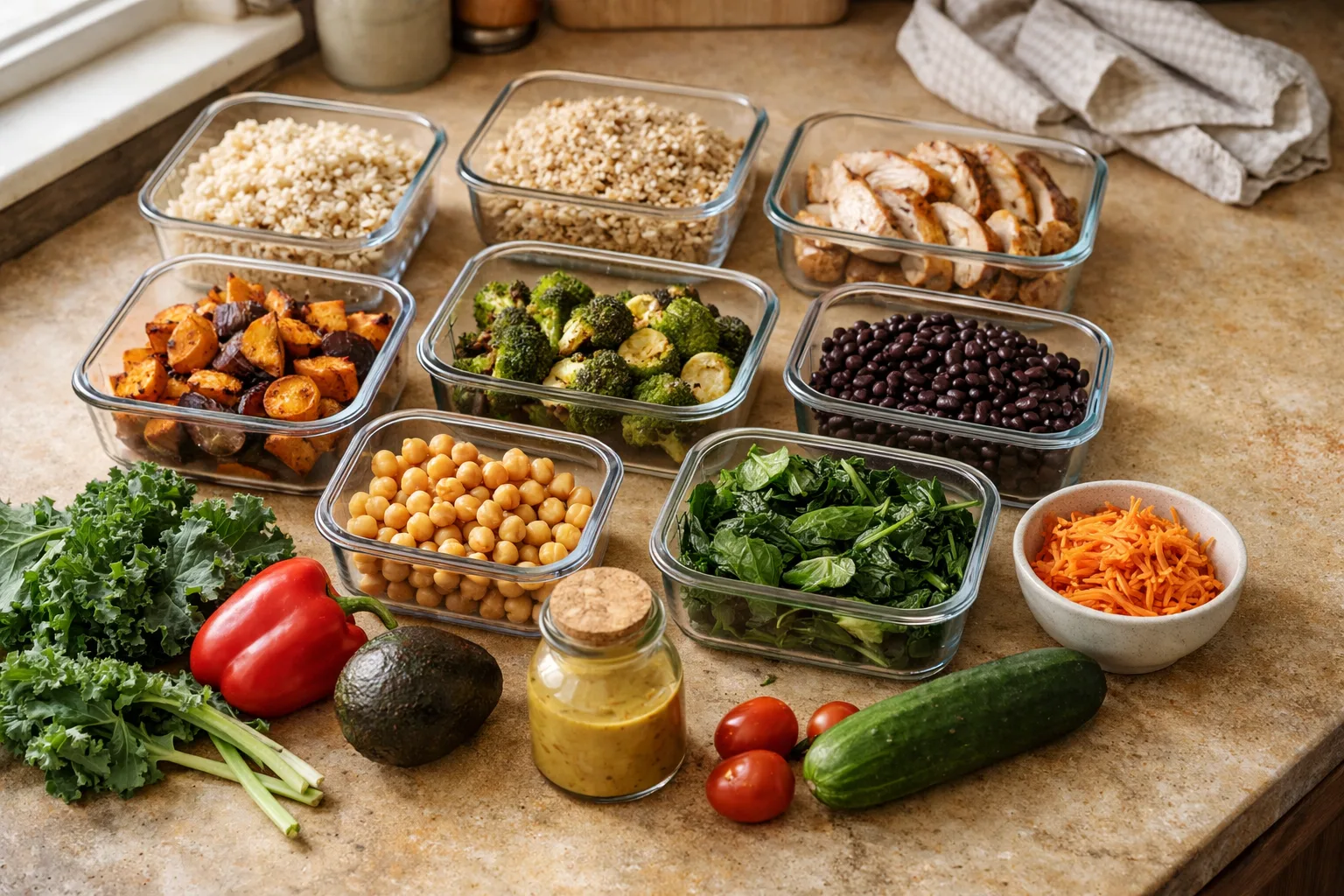
Cooking every evening can make dinner feel like another job. The good news is that a week of home meals does not require seven separate cooking sessions. With a short plan, a couple of focused prep sessions, and ingredients that can be mixed and matched, you can make most meals by assembling what is already ready.
The key is to prepare components rather than lock yourself into a rigid menu. A pot of grains, a tray of roasted vegetables, and a cooked protein can become different meals with different sauces and toppings. Some dishes can go straight into the freezer, too, so you are not relying on refrigerated leftovers to last all week.
Start with your real week
Before choosing recipes, look at your calendar. Note the nights when you will have time to cook, the evenings when you need food quickly, and any plans that might mean you will eat out. There is little point preparing seven dinners if two are likely to go untouched.
Choose a realistic number of meals to cover. You might plan five dinners and leave room for leftovers, takeout, or a change of plans. Include lunches if you want, but do not assume every meal needs to be prepared in advance. Breakfasts can often stay simple: yogurt and fruit, toast and eggs, or overnight oats assembled the night before.
Next, choose two cooking windows. One longer session at the start of the week and a shorter one midweek is often more practical than trying to make all the food on one day. The second session can refill a component, prepare a fresh meal, or move frozen food into the refrigerator to thaw.
Build a flexible menu from components
Instead of assigning a completely different recipe to every day, plan a few building blocks that work together. A useful mix might include:
- A grain or starch: rice, quinoa, potatoes, pasta, tortillas, or bread.
- One or two proteins: beans, lentils, tofu, eggs, chicken, fish, or another option you enjoy.
- Vegetables: some cooked, such as roasted carrots or broccoli, and some ready to eat, such as greens, cucumbers, or tomatoes.
- Flavor boosters: dressings, sauces, herbs, citrus, pickles, nuts, or grated cheese.
Those components can shift shape across the week. Roasted vegetables and grains can go into a bowl one night, a wrap the next, and a frittata or soup later. Beans can top a baked potato, fill tacos, or become part of a salad. A change in seasoning can make the same base feel like a different meal.
Plan a few combinations rather than a strict day-by-day menu. For example: grain bowls with a lemony dressing, tacos with beans and vegetables, and a quick soup made from broth, greens, and leftover ingredients. This gives you direction without making dinner feel repetitive—or turning a changed schedule into a failed plan.
Prep the ingredients that save the most time
A good prep session is not a marathon. Focus on tasks that remove the most work from busy evenings. Wash and dry greens, chop sturdy vegetables, cook a pot of grains, roast a tray of vegetables, or make a sauce. If chopping everything in advance would leave delicate produce less appealing, keep it whole and cut it when needed.
You do not have to cook every component. Rinsed canned beans, prewashed greens, frozen vegetables, rotisserie chicken, and a ready-made sauce can all help create a meal with little effort. Convenience foods are tools, not a failure of planning. Use them where they make the week easier, and cook from scratch where you enjoy doing so.
Keep a few fast additions on hand for the nights when a planned meal needs help: eggs, canned fish, frozen peas, broth, tortillas, or pasta. These can turn prepared ingredients into a more complete dinner without starting from zero.
Use a simple two-session rhythm
On your main prep day, cook the ingredients that hold up well and prepare anything needed for the first few days. For instance, cook grains, roast vegetables, mix a dressing, and make a pot of chili. Keep ingredients separate when that gives you more options, and portion them into containers once they have cooled appropriately.
For later in the week, freeze meals or components you will not use within a few days. This might be a portion of chili, cooked beans, or a batch of soup. Move it to the refrigerator in time to thaw, or follow safe thawing guidance for the food you have prepared. A midweek session can then be as short as roasting fresh vegetables, cooking eggs, or making a quick pasta dish.
A sample rhythm could look like this:
- Prep day: cook grains, roast vegetables, make a bean dish, and wash greens.
- Early week: assemble bowls or wraps; serve the bean dish with a different topping.
- Midweek: thaw a frozen portion and prepare one fresh component.
- Later week: combine what remains into soup, a frittata, or a simple pasta meal.
Treat this as a template, not a rule. The right schedule depends on your household, fridge space, and how much repetition you enjoy.
Store food with safety in mind
Meal planning works best when food stays safe as well as convenient. Refrigerate perishable food promptly; a common food-safety guideline is to put it away within two hours, sooner in very hot conditions. Use shallow containers for cooked food so it cools more quickly, and keep the refrigerator cold. Label containers with what is inside and when you made it, especially if several people share the fridge.
As a general guideline, cooked leftovers are usually kept in the refrigerator for three to four days. That means a Sunday batch should not simply sit in the fridge until the following weekend. Freeze portions intended for later in the week, and thaw them safely before use. Reheat leftovers until steaming hot throughout; the U.S. food-safety guideline for reheating leftovers is 165°F (74°C).
When in doubt about how long a particular food keeps, follow reliable food-safety guidance for that ingredient and preparation. Smell and appearance alone cannot guarantee that food is safe.
Make the plan easy to repeat
Keep the shopping list tied to the menu. Group it by produce, protein, pantry, and refrigerated items, and check what you already have before buying more. Reusing ingredients across meals reduces waste, but buy quantities you can realistically finish. If a recipe calls for an ingredient you will use only once, consider whether it can be swapped for something already on the list.
After the week, notice what worked. Did you prepare too much? Which components made dinner easier? What went uneaten? Adjust the next plan rather than aiming for a perfect system. A short list of dependable meals can help: one grain bowl, one soup, one tray-bake, one pasta dish, and one meal built around eggs or beans.
Planning a week without daily cooking is less about predicting every craving than giving yourself useful options. Prepare a few flexible ingredients, schedule a midweek refresh, and freeze what will not be eaten soon. Then dinner can be a quick assembly job instead of a nightly kitchen project.
You might also like
How to Set Up a Pantry So Everyday Ingredients Are Easy to Find
A well-organized pantry saves time, cuts down on forgotten food, and makes cooking easier. Build a simple system around what you use most.
How to Store Potatoes So They Sprout More Slowly
Keep potatoes cool, dark, dry and well ventilated to slow sprouting. Learn which containers work, where to store them and what to avoid.
How to Get Garlic Smell Off Your Hands
Garlic smell can linger after chopping, but a thorough wash with soap and water usually helps. Here’s how to clean your hands—and what to try if the odor remains.