How to Keep a Small Closet Organized Without Buying More Storage
By WowPebble Editorial
A tidy small closet doesn’t require new bins or shelves. Make better use of the space you have by editing your belongings and giving each item a clear place.
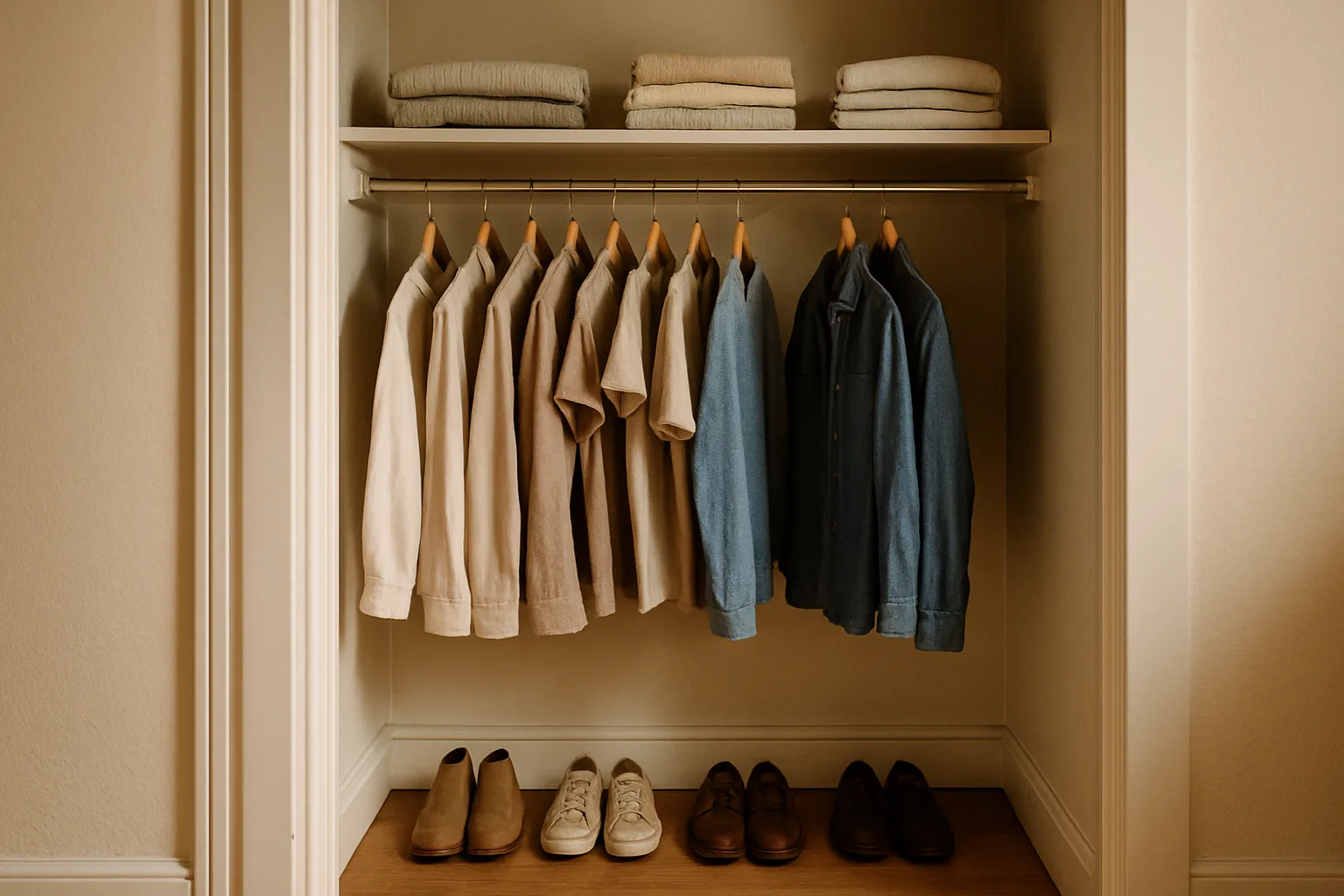
A small closet can feel crowded even when it holds only the clothes and belongings you use. The fix usually isn’t another organizer: it’s making more deliberate use of the space and deciding what truly deserves to be there. A careful edit, a few simple layout choices, and an easy reset routine can make a closet work better without adding a single storage product.
Start by seeing what you own
It’s hard to organize around things you can’t see. Take everything out of the closet, or work through one section at a time if that feels more manageable. Wipe down the shelves and floor, then group similar items together: shirts, trousers, shoes, bags, accessories, and anything else stored there.
Sorting by type makes duplicates and forgotten belongings easier to spot. It also lets you compare items before deciding where they should go. Set aside anything that no longer fits, is damaged beyond repair, or hasn’t suited your routine for a long time. You don’t have to make every decision immediately; a small “not sure” pile is better than putting every uncertain item straight back.
Keep the clothes you wear, the items you need for a particular season, and belongings that have a clear purpose. If something is out of season but you’ll use it again, decide where it can live until then. If it has no realistic place in your life, it may be ready to leave the closet. The less you ask a small space to hold, the easier it is to use.
Give the closet simple zones
Before returning anything, think about the closet’s layout. Put the most frequently used items in the easiest-to-reach area. Clothes worn often can go at eye level; occasional or out-of-season pieces can go higher or farther back. Keep everyday shoes where they are easy to reach, rather than letting them spread across the entire floor.
Group like with like. You might arrange hanging clothes by type, such as shirts together and trousers together, or by how you get dressed. Either approach works as long as you can find things without rummaging. If you prefer color order, use it within those groups rather than letting color become the only organizing rule.
Treat the closet’s existing features as boundaries. A shelf is useful for folded clothing or bags; a rail is best for garments that wrinkle or are easier to see when hung. Leave a little breathing room where possible. When everything is packed tightly, it becomes harder to remove one item without disturbing several others.
Make existing shelves and hangers work harder
Use the hangers you already have consistently. Facing garments in the same direction makes the rail easier to scan, and grouping similar lengths can make the lower part of the closet less awkward to use. If you have spare hangers, use them where they help; there’s no need to buy a matching set for the closet to feel orderly.
Fold items that don’t need to hang, such as sweaters, pajamas, and many T-shirts. On a shelf, place the pieces you use most often at the front. If you can see the tops of a stack but not what is underneath, make the stacks shorter or rearrange them so retrieving one item doesn’t topple the rest. For drawers or existing open containers, folding clothes so they stand upright can make the contents easier to identify at a glance.
Use the full height of a shelf by keeping similar items together and stacking them neatly, but avoid building piles so high that they become unstable. A shelf should make belongings easier to reach, not turn into a hidden second closet. If you already have boxes or baskets at home, they can corral small items, but use them only when they genuinely make the space easier to manage. A container that hides clutter without giving it a purpose is not a solution.
Keep the floor clear and use space thoughtfully
A clear closet floor makes it easier to see what you own and pull items out. Keep only the shoes or other belongings you use regularly there. Pair shoes and place them in a consistent row; shoes scattered in different corners take up more usable space and are harder to find.
Look at the inside of the door and the backs of shelves, but don’t assume every surface needs to be filled. If the closet already has hooks or pockets, they may be useful for belts, scarves, or small accessories. If it doesn’t, you can still organize those items in a drawer or on a shelf you already have. The goal is to use existing space sensibly, not to squeeze something into every gap.
For seasonal items, consider whether they need to stay in the closet year-round. If you already have a suitable place elsewhere, such as a drawer or luggage that is otherwise empty, storing less-used items there can free up the closet. Keep a clear idea of where you put them so seasonal rotation doesn’t turn into a search.
Make it easy to put things back
An organization system only lasts if it works on an ordinary busy day. Give each category a clear home and make that home easy to reach. If a shelf is difficult to access or a stack is too delicate to disturb, you’re more likely to drop things wherever there’s room.
Try a simple rule: when a new item comes in, decide what it replaces or where it will live before putting it away. This doesn’t mean every purchase has to remove an identical item, but it does mean the closet shouldn’t grow without a plan. If the rail is full and clothes are difficult to slide along it, that’s a useful sign to review what you actually wear.
Set aside a few minutes now and then to return misplaced items, pair shoes, and fold anything that has slipped out of place. Regular small resets are easier than waiting until the closet becomes difficult to use again.
Avoid the common small-closet traps
One trap is organizing around an ideal version of your routine rather than your real one. If you rarely wear formal clothes, they don’t need the easiest spot. If you reach for the same everyday pieces, keep those accessible. Another is keeping items because they might be useful someday while letting them crowd out things you use now. A closet has limited space, so every item has an opportunity cost.
It’s also easy to confuse neat-looking with functional. Matching folds and color-coordinated hangers can be satisfying, but they won’t help if you can’t reach what you need or put it back easily. Start with access and clear categories; appearance can follow.
A small closet doesn’t need to hold everything you own, and it doesn’t need more equipment to become useful. Edit what goes inside, give each category a place, and keep the most-used items within reach. When the system is simple enough to maintain, the closet stays organized because it fits your habits—not because you keep buying ways to contain the clutter.
You might also like
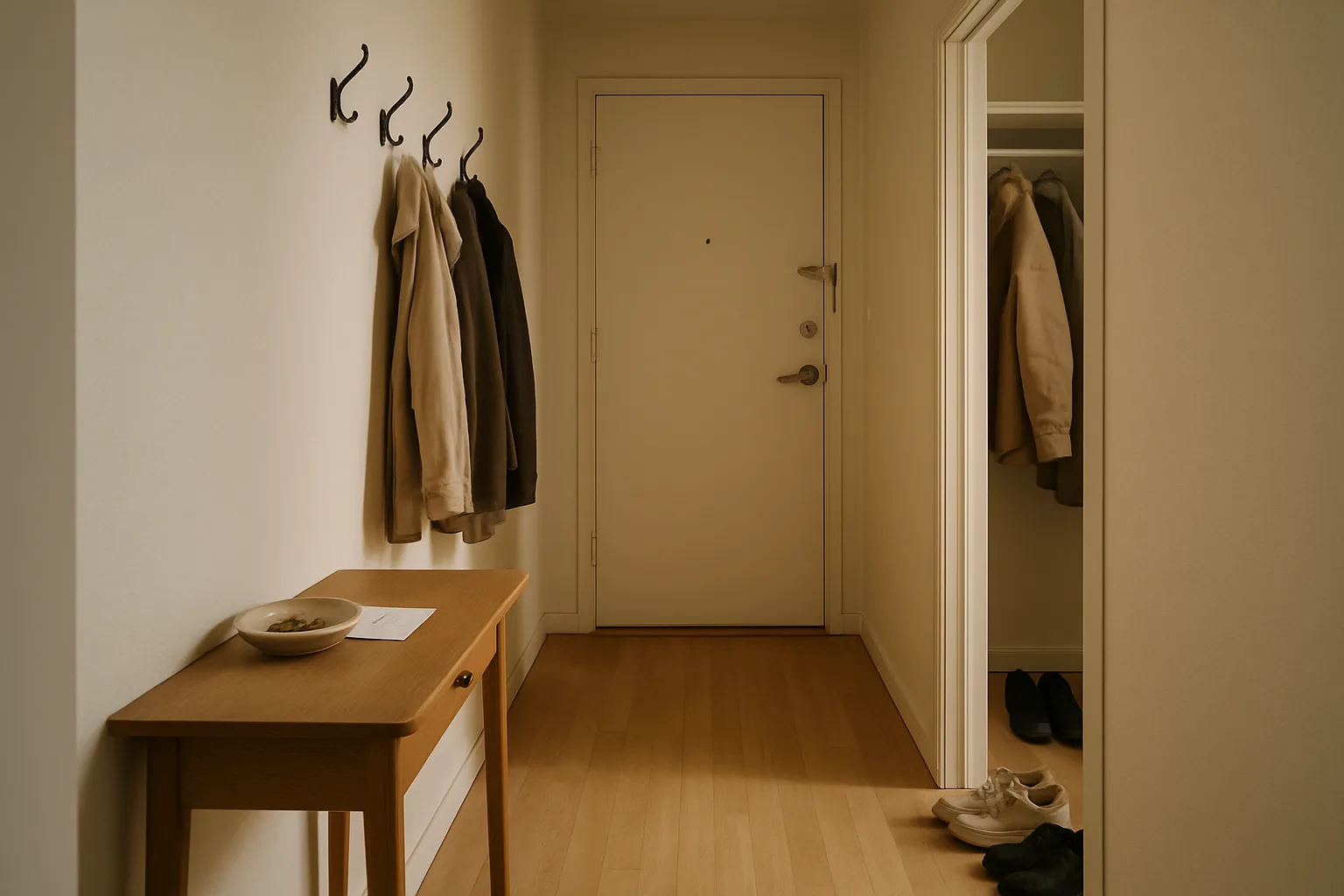
How to Organize a Small Entryway Without Adding More Storage
A calmer entryway doesn’t require another shelf or basket. Make better use of what you already have with a few simple zones, clear limits, and daily habits.
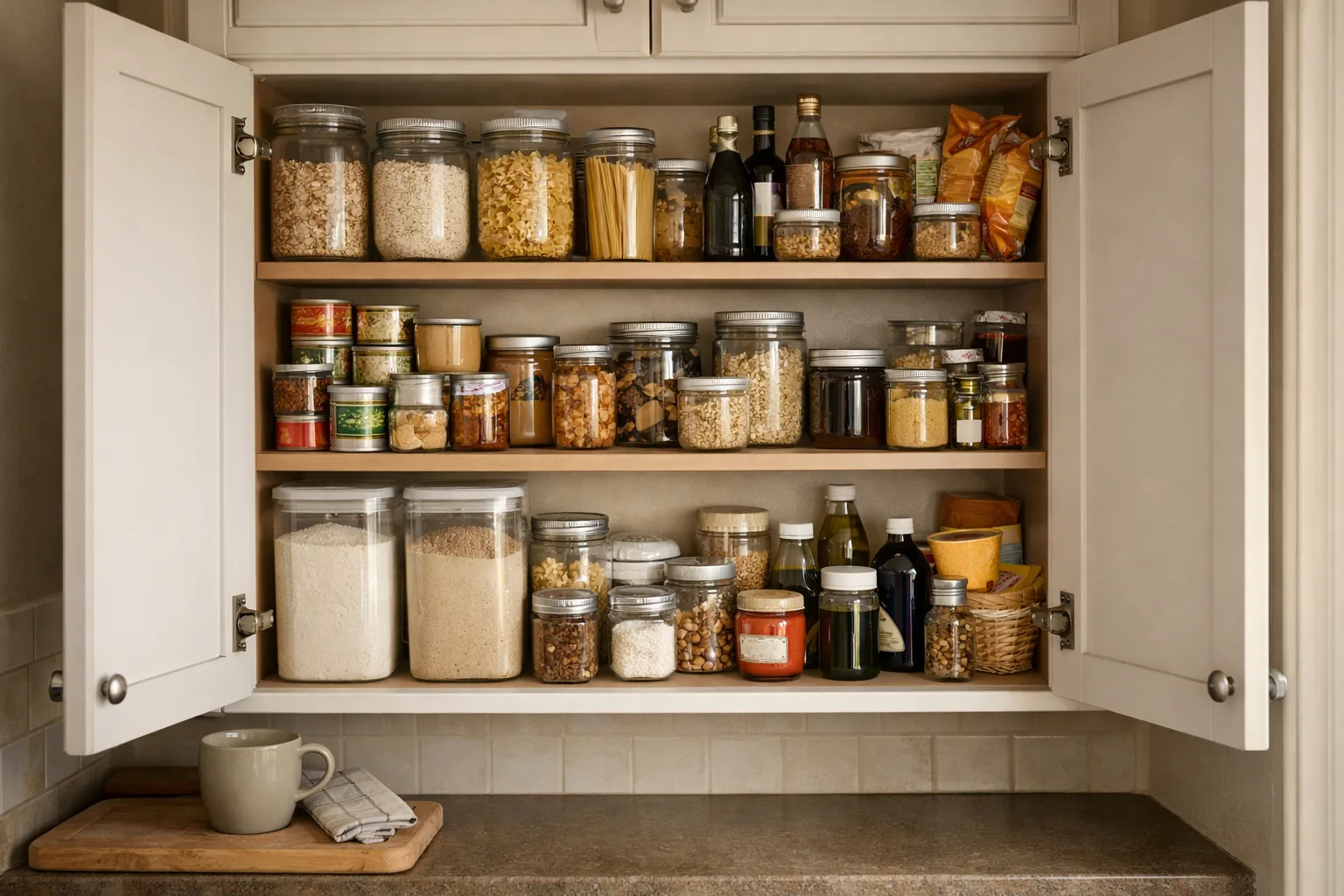
How to Set Up a Pantry So Everyday Ingredients Are Easy to Find
A well-organized pantry saves time, cuts down on forgotten food, and makes cooking easier. Build a simple system around what you use most.
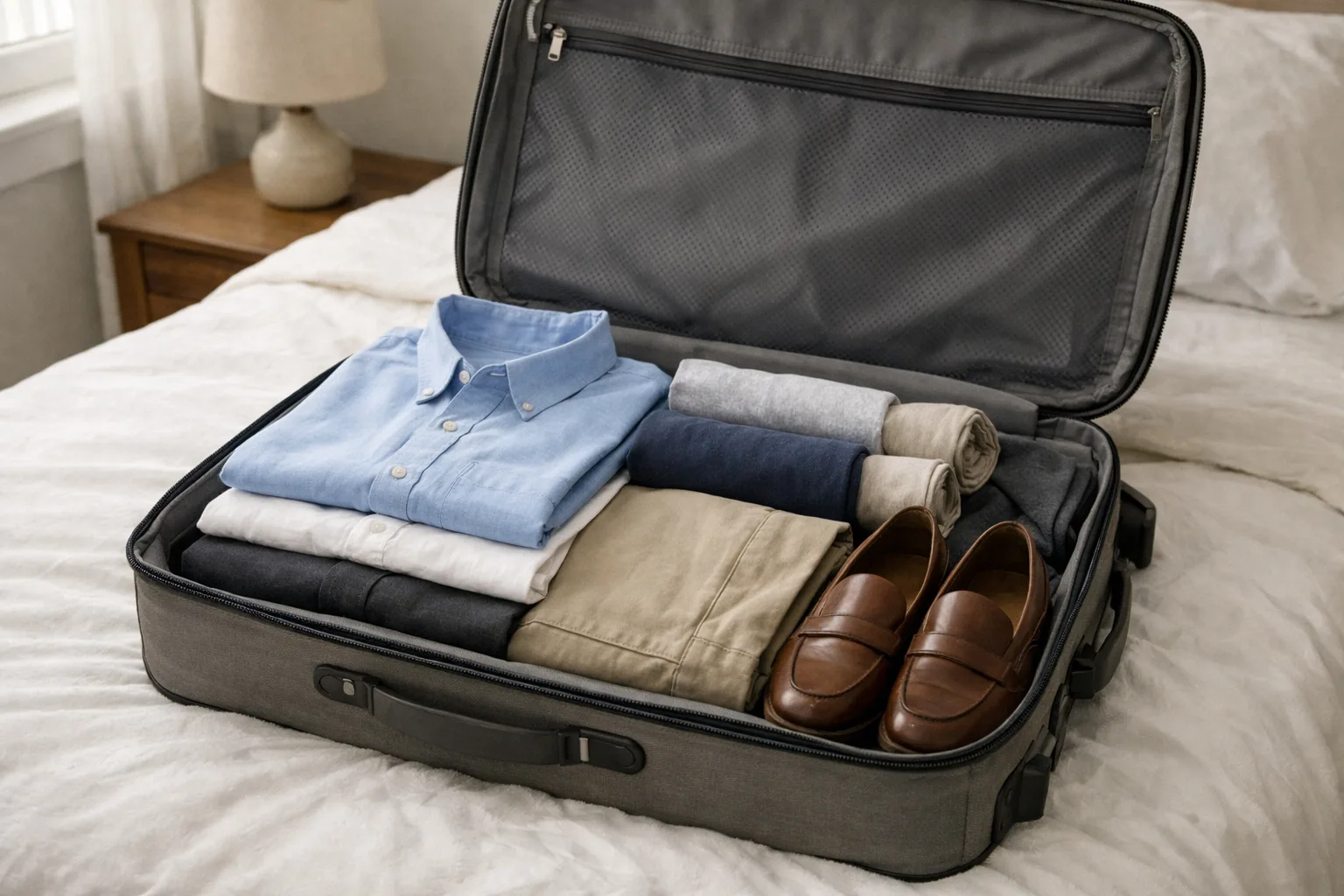
How to Pack a Suitcase So Clothes Wrinkle Less
Pack fewer items, use loose rolls for casual clothes, and fold structured garments along their seams. These simple steps help limit creases in transit.