How to Pack a Suitcase So Clothes Wrinkle Less
By WowPebble Editorial
Pack fewer items, use loose rolls for casual clothes, and fold structured garments along their seams. These simple steps help limit creases in transit.
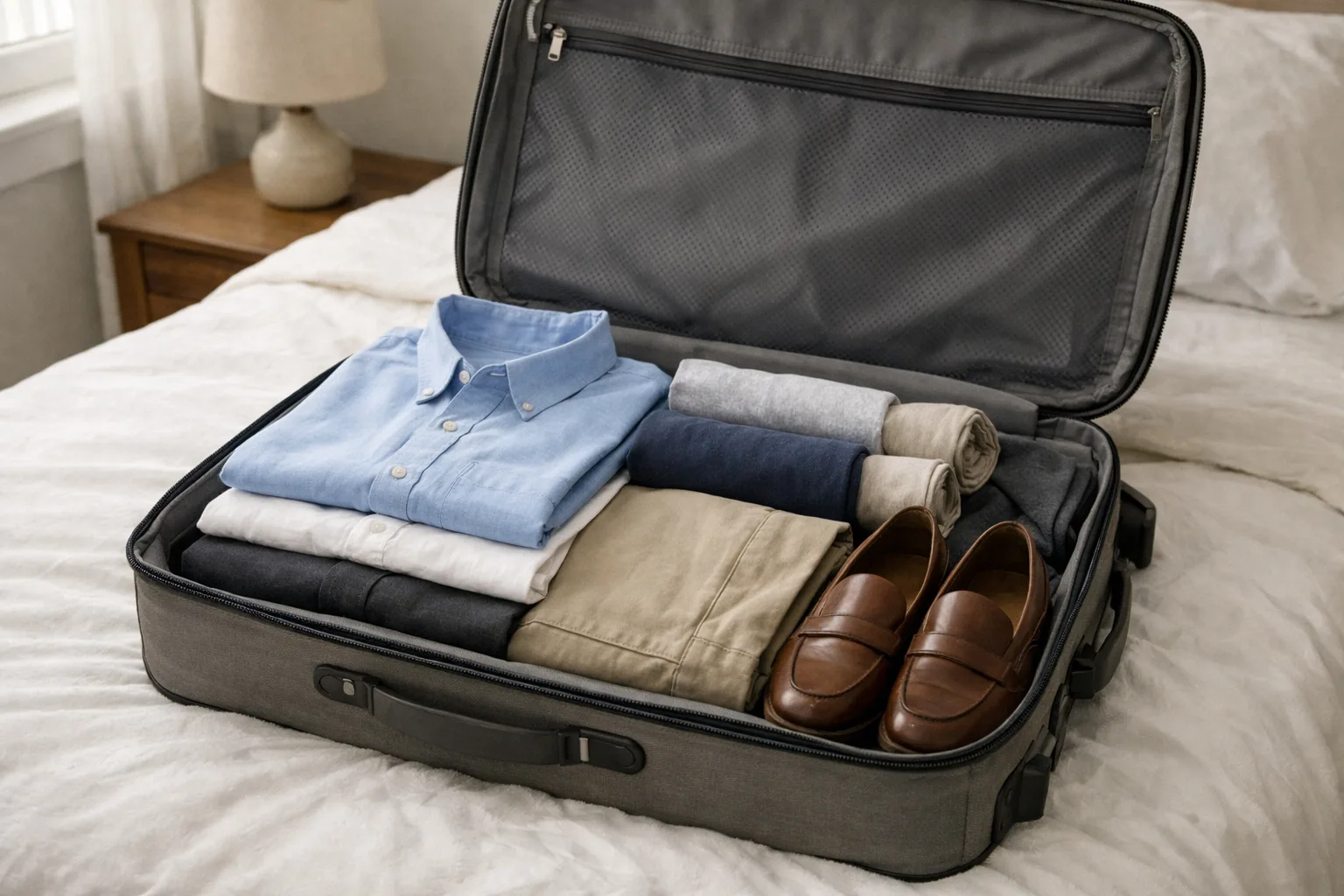
To help clothes wrinkle less, pack only what fits without force, roll soft casual pieces loosely, and fold shirts and trousers along their natural seams. The key is to avoid tight compression and repeated sharp folds: fabric held under pressure can take on creases, especially during a long journey. No packing method keeps every fabric perfectly smooth, but a few choices can make a noticeable difference.
Prepare clothes before packing
Pack clothes that are clean, completely dry, and already smoothed out. Fasten shirt buttons or trouser hooks so garments are less likely to shift out of shape. If an item is still damp, let it dry before packing; trapped moisture can leave clothes feeling musty and makes it harder to keep them ready to wear.
Choose a suitcase with enough room for the clothes you plan to bring. Packing cubes can keep outfits together, but they do not prevent wrinkles if they are packed tightly or compressed. Leave a little space rather than forcing the case shut over a stuffed pile.
Roll soft, casual clothes loosely
Rolling works well for T-shirts, casual tops, leggings, and many knit garments. Lay each item flat, smooth it with your hands, fold in any sleeves or loose edges, then roll from one end without pulling the fabric tight. A loose roll avoids creating a hard crease down the middle and is easy to fit into gaps in the case.
Rolling is not ideal for every garment. Crisp button-down shirts, tailored trousers, dresses, and structured pieces can look rumpled when rolled. Fold those instead, and avoid adding extra folds just to make them smaller.
Fold shirts and trousers along their shape
For a button-down shirt, fasten a few buttons and lay it face down. Fold each sleeve diagonally across the back, then fold the sides inward so they meet near the center. Fold the bottom up once, or twice if needed to fit the suitcase. Smooth the fabric as you go, and keep the folds broad rather than making several small, tight creases.
For trousers, line up the legs at the seams and follow the existing crease if there is one. Fold the pair once crosswise, around the knee area, and avoid repeatedly folding it into a small square. If the trousers are especially formal or prone to creasing, place them flat on top of the other clothes rather than wedging them into a tight space.
Arrange the suitcase to limit pressure
Place shoes and other firm items around the edges of the suitcase, keeping them separate from clean clothes. Put rolled casual items and less delicate clothing below. Lay folded shirts, trousers, and other structured garments flat on top, where heavier items are less likely to press into them. Use small, soft items to fill gaps so clothes do not slide around, but do not pack them in so tightly that they squeeze the garments.
For a suit, formal dress, or another structured garment, a garment bag is a better option when you have one. If it must go in a regular suitcase, fold it as little as possible and place it on top. The best approach depends on the garment’s cut and fabric; a delicate or heavily structured item may not travel well when tightly folded.
Unpack when you arrive
Take clothes out of the suitcase as soon as practical and hang or lay them flat. Some minor creases may relax on their own, but packing can’t prevent every wrinkle—particularly in fabrics that crease easily. If a garment still needs attention, use a suitable iron or steamer according to its care label.
You might also like
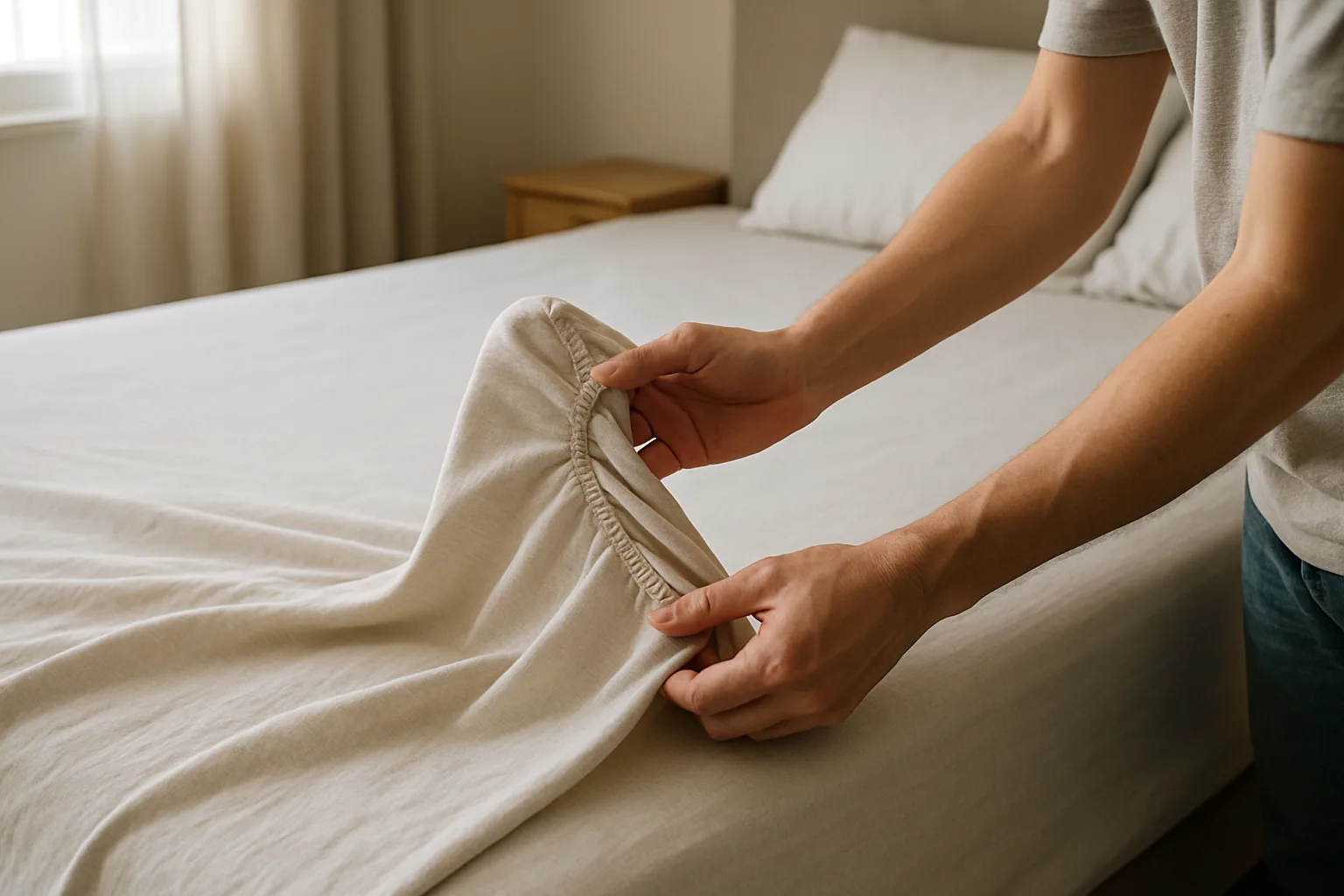
How to Fold a Fitted Sheet Without Fighting the Corners
A fitted sheet’s elastic edges make it awkward to fold—but nesting the corners first turns the unruly bundle into a neat, manageable rectangle.
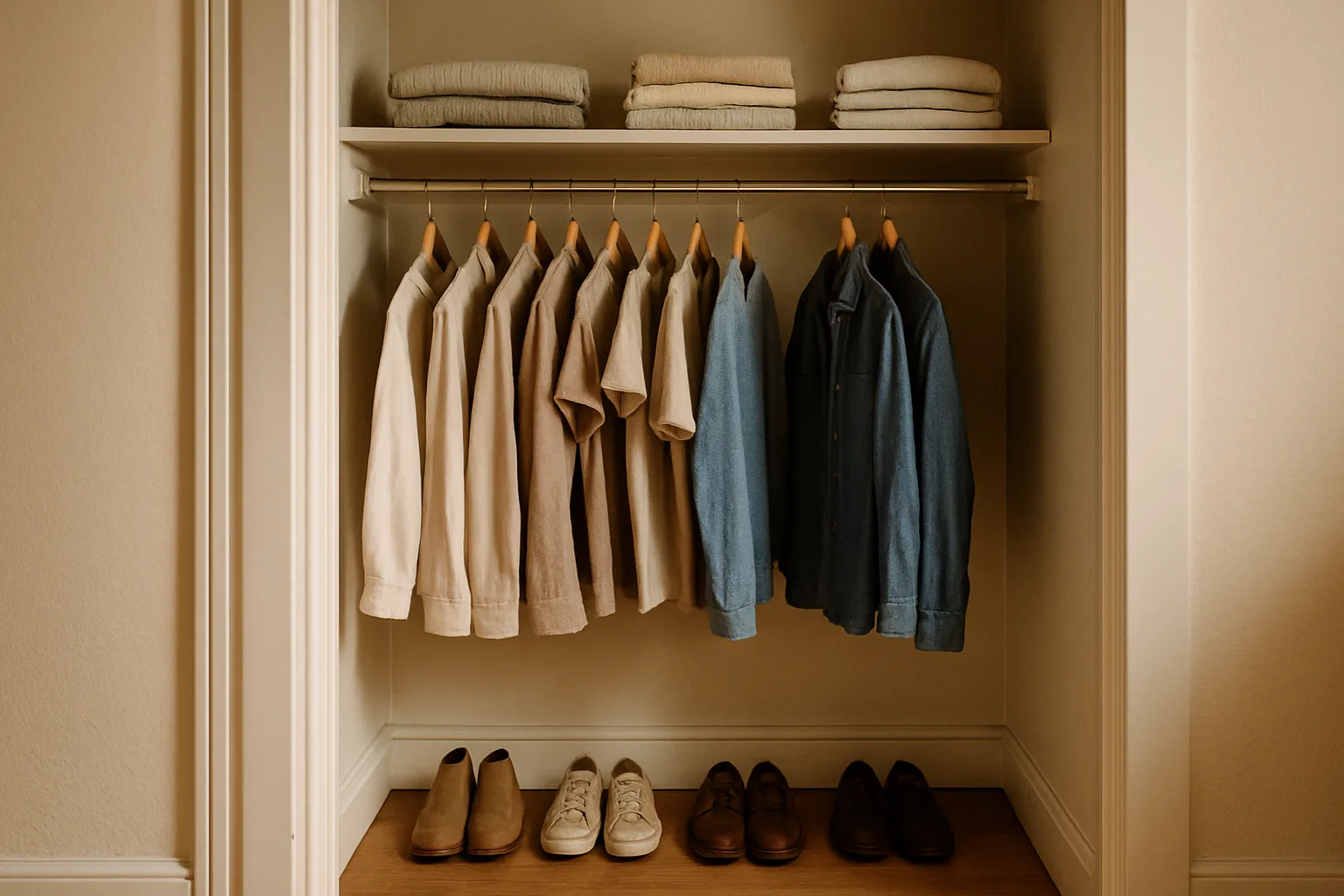
How to Keep a Small Closet Organized Without Buying More Storage
A tidy small closet doesn’t require new bins or shelves. Make better use of the space you have by editing your belongings and giving each item a clear place.
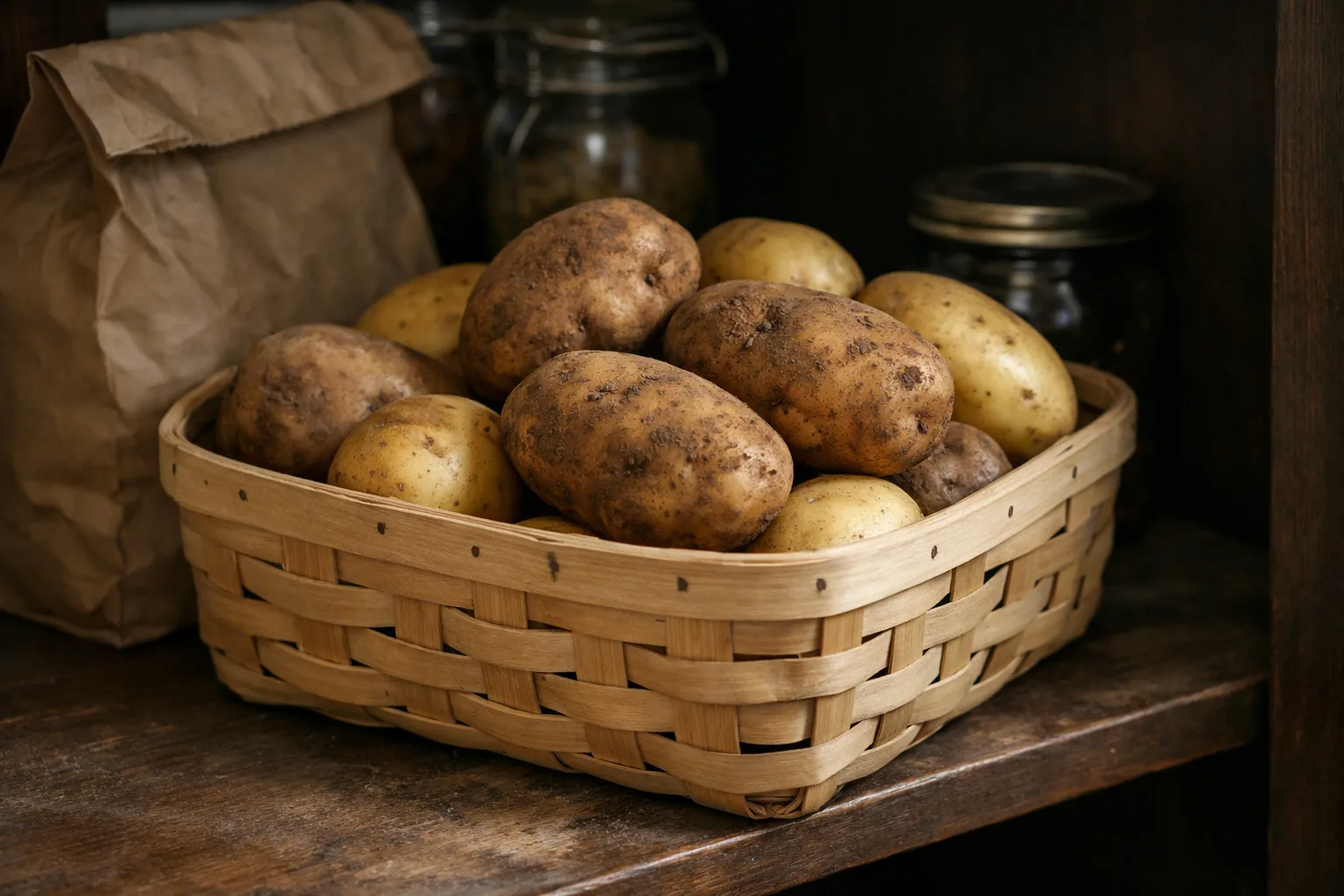
How to Store Potatoes So They Sprout More Slowly
Keep potatoes cool, dark, dry and well ventilated to slow sprouting. Learn which containers work, where to store them and what to avoid.