How to Use a Fire Extinguisher: The PASS Method, Step by Step
By WowPebble Editorial
PASS makes fire extinguisher use easier to remember: Pull the pin, Aim at the base, Squeeze the handle, and Sweep side to side. Safety comes first.
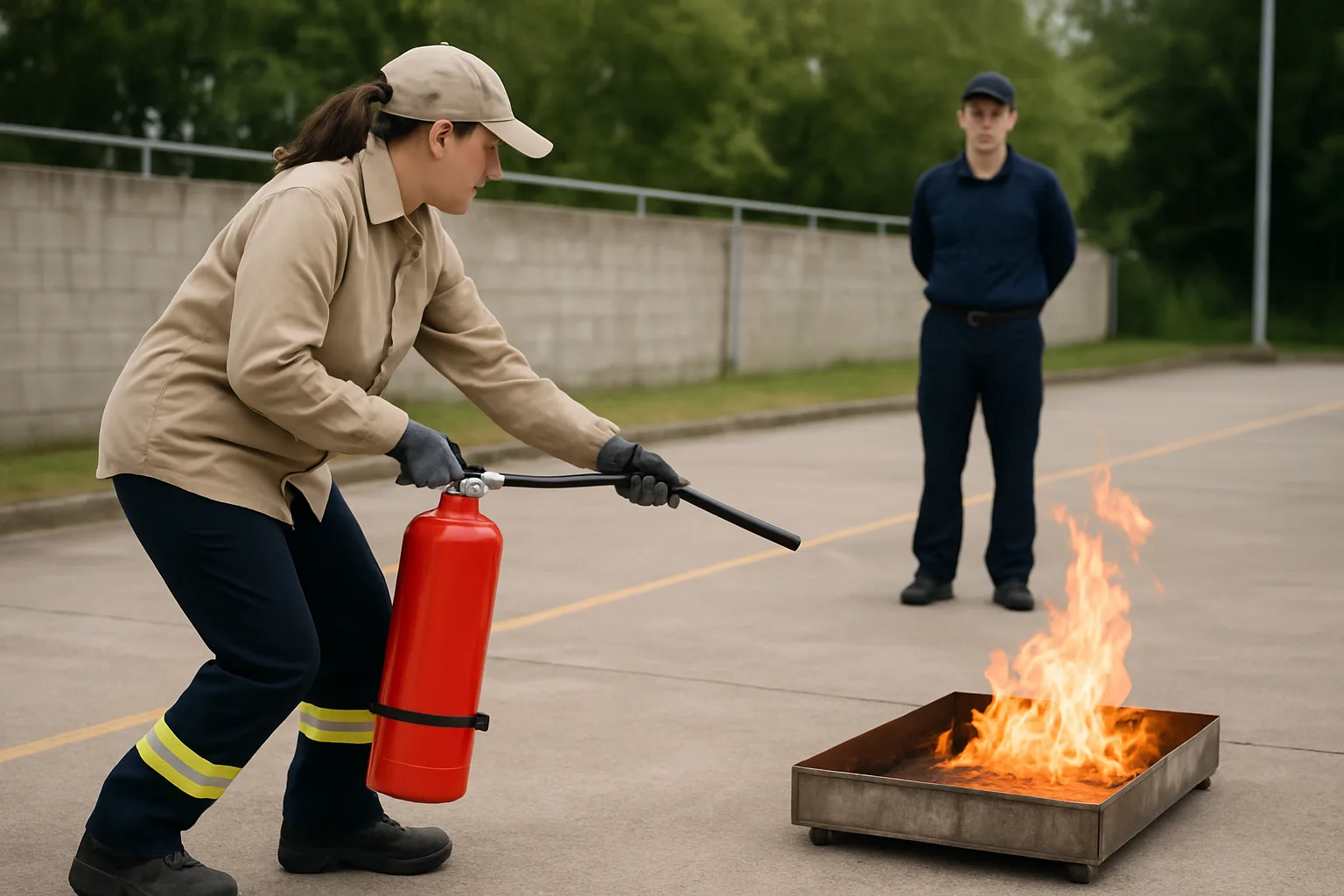
A fire extinguisher can help stop a small fire before it spreads—but only if it is safe to use and you know what to do. The PASS method offers a simple sequence: Pull, Aim, Squeeze, Sweep. It is easy to remember under pressure, but it does not replace the most important rule: get out and call for help if the fire is growing, producing heavy smoke, or putting anyone at risk.
First, decide whether it is safe to act
Use an extinguisher only on a small, contained fire, such as a wastebasket fire, when you have a clear escape route behind you. Make sure other people are alerted and that someone has called the fire service or emergency number. If you are alone, get to safety and call for help rather than delaying your escape.
Do not try to fight a fire that is spreading, reaching the ceiling, blocking your exit, or filling the room with smoke. Leave immediately if the extinguisher does not put it out quickly, the fire flares up again, or conditions change. Smoke can be dangerous, and a fire that looks manageable can grow rapidly. Close doors behind you if you can do so without delaying your escape, and do not go back inside.
What PASS means
PASS is a memory aid for the basic operation of many portable fire extinguishers. Before using one, check its label and follow the manufacturer’s instructions: designs and operating details can vary.
P: Pull the pin
Hold the extinguisher upright and pull out the safety pin. The pin prevents the handle from being pressed accidentally. Some models have a seal or clip that must also be released. If the pin will not come out easily, do not waste time struggling with it; leave and get to safety.
A: Aim at the base
Point the nozzle or hose toward the base of the fire, not the flames above it. The flames are the visible result of burning fuel; the aim is to discharge the extinguishing agent onto the source of the fire.
Stand at the distance recommended on the extinguisher label, then move closer only if it is safe and necessary. If you are outdoors, keep the wind at your back when possible so the agent is less likely to blow toward you. Indoors, stay low if smoke is present, but do not move into smoke or toward the fire to get a better position.
S: Squeeze the handle
Press the operating lever to release the extinguishing agent. Some extinguishers use a handle or trigger that works slightly differently, so check the label when there is time. Keep a firm grip and continue aiming at the base.
S: Sweep side to side
Move the nozzle from side to side across the base of the fire, covering the burning area. Keep directing the discharge at the source rather than chasing the tops of the flames. The amount of agent and discharge time vary by extinguisher, so use it according to its instructions and do not assume you have a long supply.
If the fire goes out, watch from a safe distance for signs that it is starting again. If it does, or if you are uncertain that it is fully out, leave and let firefighters handle it. A used extinguisher should be reported, recharged, or replaced according to its manufacturer’s guidance, even if it was discharged only briefly.
Choose the right extinguisher
PASS explains how to operate an extinguisher; it does not tell you whether that extinguisher is suitable for a particular fire. Extinguishers are made for different kinds of fuel and hazards, and their labels identify the fires they are intended to tackle. Check the label before an emergency and make sure the extinguisher is appropriate for the risks in that location.
For example, water can be dangerous on burning cooking oil and on energized electrical equipment. Using the wrong agent can spread a fire, create an electrical shock risk, or cause other harm. If you cannot confidently identify a suitable extinguisher, do not guess—get out and call for help. Classification symbols and terminology can differ by country, so rely on the markings and instructions on the extinguisher where you live.
A quick safety check before an emergency
Take a moment to locate extinguishers in your home, workplace, or other regular surroundings. Check that they are visible and accessible, and look at their labels so you know what kinds of fires they are meant for. Follow the manufacturer’s instructions and local guidance about inspection, servicing, and replacement; damaged, blocked, or improperly maintained equipment may not work when needed.
If an extinguisher is unfamiliar, ask about hands-on training rather than waiting for a fire. Training can help you recognize the operating parts and understand the limits of the equipment. Never test or discharge an extinguisher casually: it may need servicing afterward, and its contents can create a mess or a hazard.
Remember: people come before property
PASS is useful because it turns a stressful task into four short steps. But the method is for a small fire that can be approached safely—not a reason to stay in a dangerous building. Keep an exit behind you, use only a suitable extinguisher, and stop the moment the fire or smoke becomes threatening. When in doubt, evacuate, call the fire service, and let trained responders take over.
You might also like
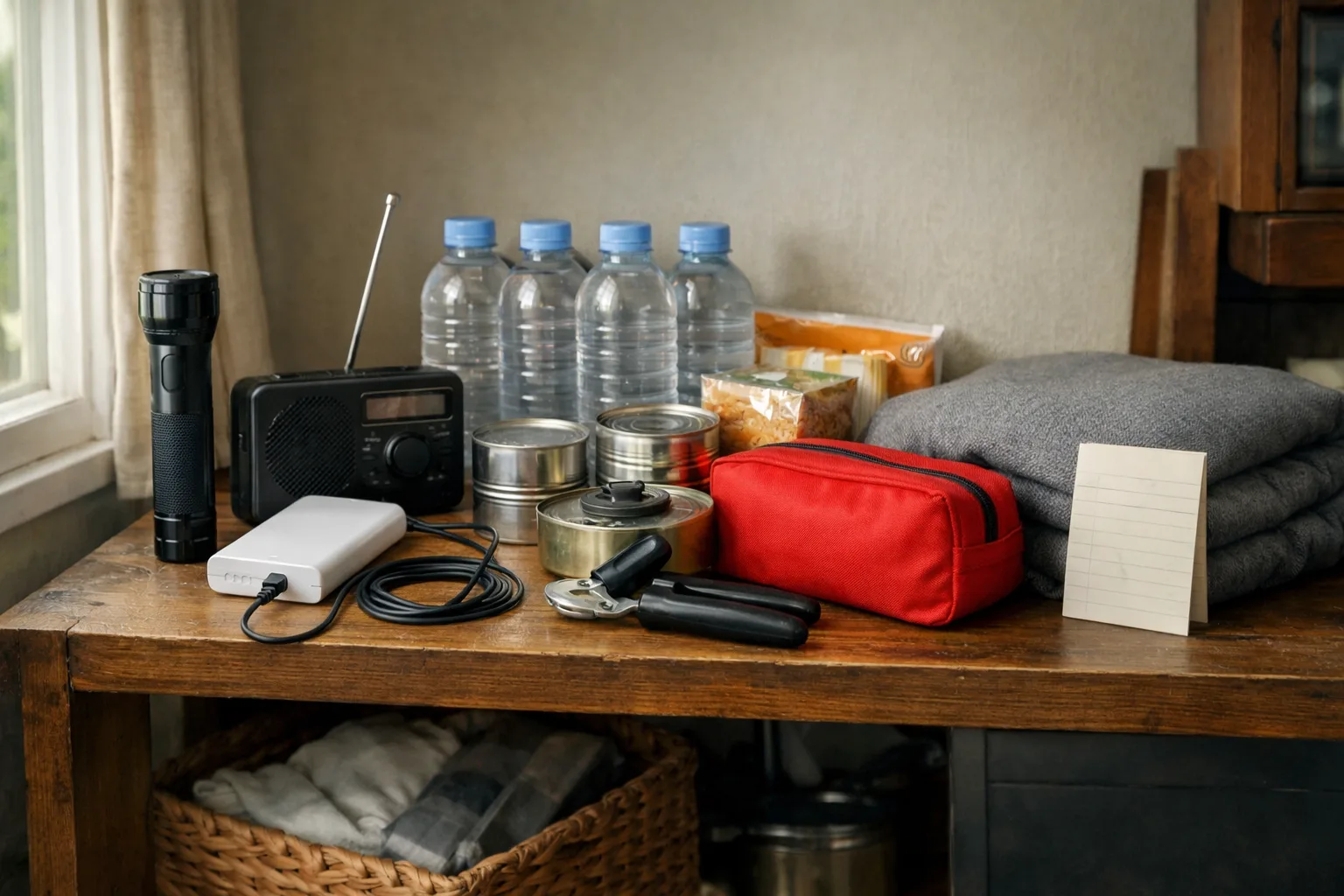
What to Keep in a Home Kit for a Power Outage
Build a practical outage kit with lighting, charged power banks, water, easy-to-eat food, essential medicines and supplies suited to your household.
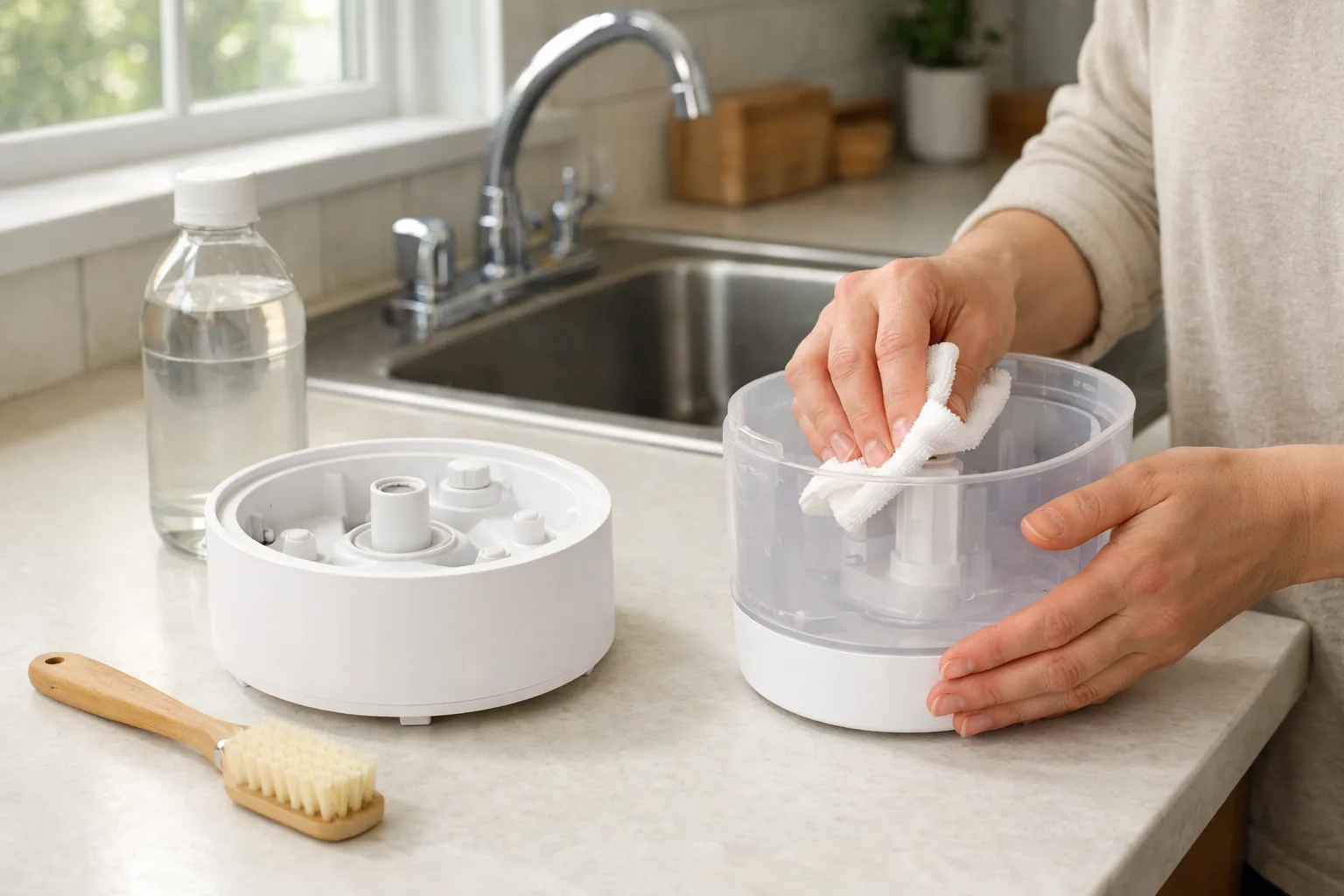
How to Clean a Humidifier and Stop Mineral Buildup
Clean your humidifier regularly to remove scale and reduce residue. Learn how to descale it safely, care for filters and prevent mineral buildup.

How to Remove Burnt Food from a Stainless Steel Pan
Loosen burnt-on food from a stainless steel pan with hot water and gentle scraping. For stubborn residue, add baking soda and scrub without damaging the finish.