What “Best Before” Really Means—and When Food Is Still Good to Eat
By WowPebble Editorial
A “best before” date is usually about quality, not a strict safety deadline. Learn how it differs from “use by” and how to store and assess food wisely.
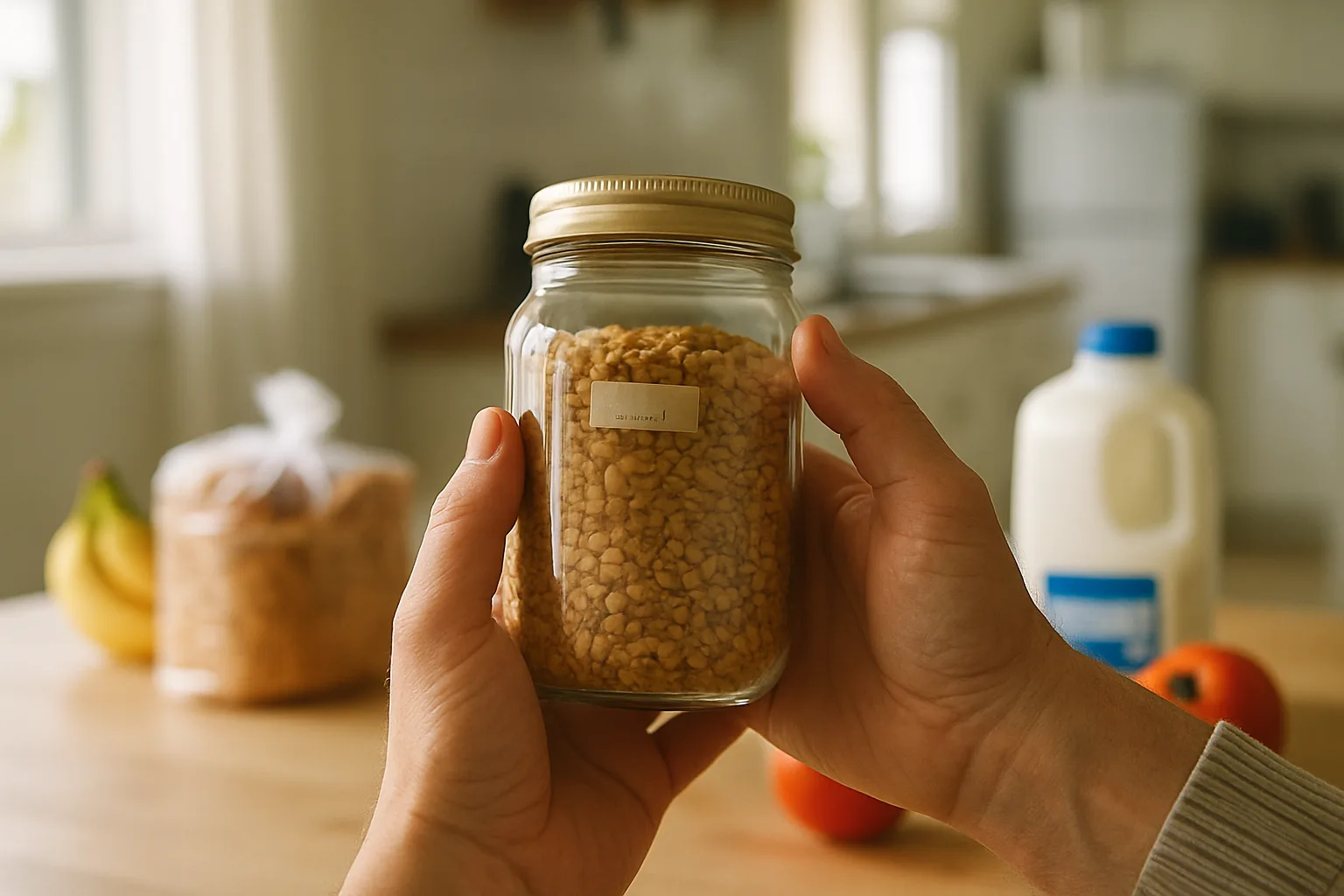
A date on a food package can look like a deadline, but “best before” usually means something more limited: the manufacturer expects the food to have its best quality up to that date when it is stored as directed. It does not automatically mean the food becomes unsafe the next day.
That distinction can help prevent needless waste—but it is not a reason to ignore every date. “Best before” and “use by” have different purposes, and the wording on labels varies by country. Knowing which kind of date you are looking at, and how the food has been handled, matters more than treating every printed date alike.
What a “best before” date tells you
A best-before date is generally a guide to quality. Until that date, the maker expects the unopened product to retain characteristics such as its flavour, texture, colour or freshness, provided it has been stored according to the package instructions. Afterward, those qualities may gradually decline.
A cereal may become less crisp, crackers may lose their crunch, or a sauce may taste less vibrant. That change does not, by itself, prove that the food is unsafe. Nor does the date guarantee that a product will be at its best if it has been stored poorly or its packaging has been damaged.
The date is usually set by the producer based on the food and its packaging. It is not a universal countdown that works the same way for every product. A dry pantry item and a refrigerated dip have different storage needs, so the label’s instructions are part of the picture.
“Best before” versus “use by”
The key distinction is between a quality date and a safety date. In places such as the UK and the European Union, “best before” is used for quality, while “use by” is used for foods that can become unsafe after the stated date even if they look and smell normal. Perishable foods such as chilled ready-to-eat products may carry a use-by date.
If a product has a use-by date, follow it rather than relying on appearance or smell. Harmful microbes may be present without making food look, taste or smell spoiled. Some guidance allows food to be frozen before its use-by date, but follow the local advice and the product’s instructions; freezing does not make food safe if it was already mishandled.
Label rules and wording differ across countries. In the United States, for example, many date labels on foods are generally about quality rather than safety, and terms such as “Best if Used By” may be used to signal quality. There are exceptions, and product-specific rules can apply. If a label is unclear, check the food-safety guidance for your country or contact the manufacturer.
“Sell by” is another phrase people may encounter, especially in the United States. It is primarily an instruction for retailers about stock rotation, not a direct safety deadline for shoppers. “Expiration” or “expires on” can also appear, but its meaning depends on the product and local rules. The safest approach is to read the exact wording rather than assume all dates mean the same thing.
Why food can be good after its date
Many foods change gradually. A sealed, dry product may remain acceptable after its best-before date if it has been stored properly and its packaging is intact. But “past the date” does not mean “always fine,” just as “before the date” does not mean “guaranteed safe.”
Food can spoil early if it is left warm, exposed to moisture, or stored in a damaged package. A refrigerated item may be unsafe if the cold chain has been broken, even if its date has not passed. Conversely, a product designed for long storage may simply have a slight loss of quality after its best-before date.
The type of food matters, too. Dry goods, canned foods and refrigerated ready-to-eat foods do not behave alike. Do not treat a date on one product as a guide to another, and do not assume that every food can be assessed by sight or smell.
How to make a sensible decision
Start with the wording. If it says “use by,” follow the date and storage directions. If it says “best before,” consider it a quality guide, then check the package and the food for signs of damage or spoilage. When in doubt about a perishable food or a product with unclear instructions, discard it or seek reliable local advice.
Next, check how the food has been stored. Was it kept at the temperature stated on the label? Has the package been opened? Has it been exposed to moisture or left out? Once opened, many products have separate instructions such as “use within three days.” Those instructions may matter more than the original date, which often applies to an unopened package.
Look for warning signs such as a swollen or leaking can, a broken seal, unexpected mould, or an unusual change in texture or appearance. Do not taste food to test whether it is safe. And remember that a normal smell or appearance cannot rule out harmful microbes, particularly when a use-by date or safe-handling instruction applies.
For canned goods, avoid cans that are bulging, leaking, badly dented, or heavily rusted. An intact can past its best-before date may have lost quality, but the date alone is not a guarantee that it is safe or unsafe. Consider the condition of the can, storage history and any official guidance for the product.
A little planning can prevent waste
Understanding date labels helps with shopping as well as deciding what to keep. At home, put newer purchases behind older ones so products that need using first are easy to spot. Store food as directed, keep the refrigerator at a safe temperature, and label opened packages with the date if you are likely to forget when they were opened.
If you know you will not use a food in time, freezing may be an option for suitable products. Freeze it while it is still in good condition and follow the package or food-safety guidance for thawing and use. Freezing can preserve food, but it does not reverse spoilage or make unsafe food safe.
The simple rule is this: “best before” usually points to when quality may start to decline; “use by” is a safety instruction. Neither label tells the whole story without proper storage and careful handling, but understanding the difference makes it easier to avoid both unnecessary waste and avoidable risk.
You might also like
How to Store Bread So It Stays Fresh Longer
Bread storage balances texture, mould risk and keeping time. Learn when room-temperature storage makes sense, how refrigeration differs, and when to freeze.
How to Store Potatoes So They Sprout More Slowly
Keep potatoes cool, dark, dry and well ventilated to slow sprouting. Learn which containers work, where to store them and what to avoid.
How to Get Garlic Smell Off Your Hands
Garlic smell can linger after chopping, but a thorough wash with soap and water usually helps. Here’s how to clean your hands—and what to try if the odor remains.