How to Keep Sliced Apples from Browning in a Lunchbox
By WowPebble Editorial
Slow apple-slice browning with a documented lemon holding solution or a labelled anti-browning product, while keeping colour control separate from food safety.
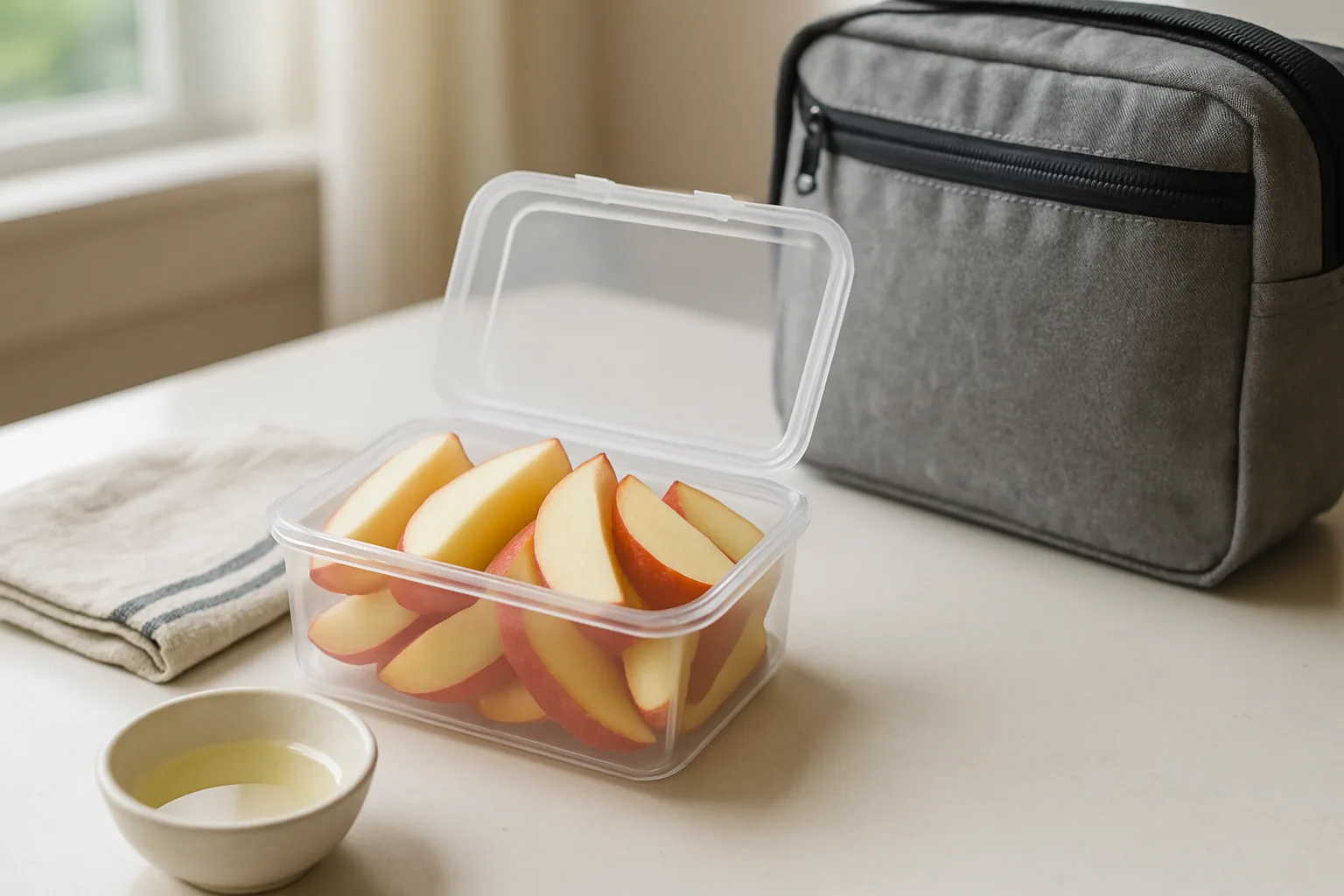
An apple can look crisp and inviting when you pack it in the morning, then turn brown by lunchtime. That color change is usually harmless, but it can make a perfectly good snack seem less appealing. The simple fix is to slow the reaction between the cut apple and oxygen: a little acidity, less air, and a cool lunchbox can all help.
For a simple approach, use a documented colour-preserving dip or a food-labelled anti-browning product, then drain and keep slices cold in a suitable sealed container. The choice affects flavour and appearance; it is not a method for making cut fruit shelf-stable.
Why cut apples turn brown
Inside an apple are natural compounds and an enzyme called polyphenol oxidase. When you cut or bite the fruit, you damage its cells and expose their contents to oxygen in the air. The enzyme helps trigger reactions that create brown-colored pigments on the exposed surface. This process is called enzymatic browning.
It is the same general reason some other cut fruits and vegetables darken after exposure to air. The browning is a change in appearance, not a reliable sign that an apple has spoiled. Still, cut fruit can become less appealing over time, and it should be handled and stored with food safety in mind.
The most useful ways to slow browning follow directly from the science: make the surface less favorable to the enzyme, limit its contact with oxygen, and keep the fruit cold. No method will keep sliced apples looking exactly as if they were just cut forever, but several can make a noticeable difference through lunchtime.
The easiest method: diluted lemon juice
An acidic holding solution can slow browning; it does not make cut fruit safe to leave warm. Penn State Extension gives a holding solution of ½ cup bottled lemon juice in 2 quarts of water and explains that ascorbic-acid treatments are more effective than lemon juice for this purpose.
That is a documented colour-preservation treatment, not a guaranteed lunchbox recipe for every variety or taste. Drain and keep prepared fruit cold. For a commercial fruit-protecting product, use its own directions instead of improvising the strength.
If you want an alternative to lemon
If you want to avoid lemon flavour, use a labelled anti-browning product according to its directions. Choose one intended for the food and use you have in mind rather than improvising a concentration.
A treatment that slows colour change does not replace cooling and safe handling. Keep the choice of flavour or appearance separate from the question of whether the prepared fruit has been stored safely.
Use vitamin C or another treatment
Ascorbic acid, also called vitaminC, is used in fruit anti-browning products. Use a food product intended for the purpose and follow its concentration and handling instructions. Do not substitute an unidentified supplement or invent a strength.
There is no need to add a separate honey or salt treatment to this routine. Using a documented treatment and controlling storage is more useful than switching between unverified household ratios.
Reduce the apple’s contact with air
A treatment works best alongside sensible packing. Once slices are dry, place them in a small airtight container or a resealable food bag and press out excess air before closing it. A container that fits the portion closely leaves less room for air to circulate around the fruit.
You can also cut an apple into wedges and fit the pieces back together around the core, then secure the whole fruit with a reusable band. Keeping the cut faces pressed together limits their exposure to air. This is a handy option when you are short on time, although it may not prevent browning as well as treating the exposed surfaces.
If the apple is for a child who likes to eat it piece by piece, a small container is usually more convenient than wrapping the wedges together. Choose whichever method makes the fruit easy to open and eat without spilling.
Keep the lunchbox cool
Cold temperatures slow the reactions that cause browning, so store prepared slices in the refrigerator until it is time to pack. Use an insulated lunch bag and a cold pack to help keep the fruit cool until lunch. An acid dip or tight seal can improve appearance, but neither makes cut apples shelf-stable or replaces proper refrigeration.
For the freshest texture, cut apples the day you plan to eat them. If you prepare them ahead, keep them covered in the refrigerator and check their condition before packing. Discard slices that show signs of spoilage, such as an off smell or an unusually soft, slimy texture; color alone is not a dependable spoilage test.
Which method should you choose?
Choose a documented lemon treatment when its flavour is acceptable, or a food-labelled ascorbic-acid product when that better suits the purpose. Follow its directions, drain the slices, seal them and keep them cold. Do not attach a guaranteed number of hours or an identical colour result to every apple variety.
For regular packing, choose a method the eater finds acceptable and keep the food-safety routine consistent. A preference about citrus flavour is different from judging whether fruit is safe; do not taste suspect fruit to decide that question.
Brown edges need not mean a wasted snack: the fruit is often still fine to eat. But when you want apple slices to look fresher at lunchtime, a small amount of acid, less exposure to air, and a cool place to wait are a simple, effective combination.
You might also like
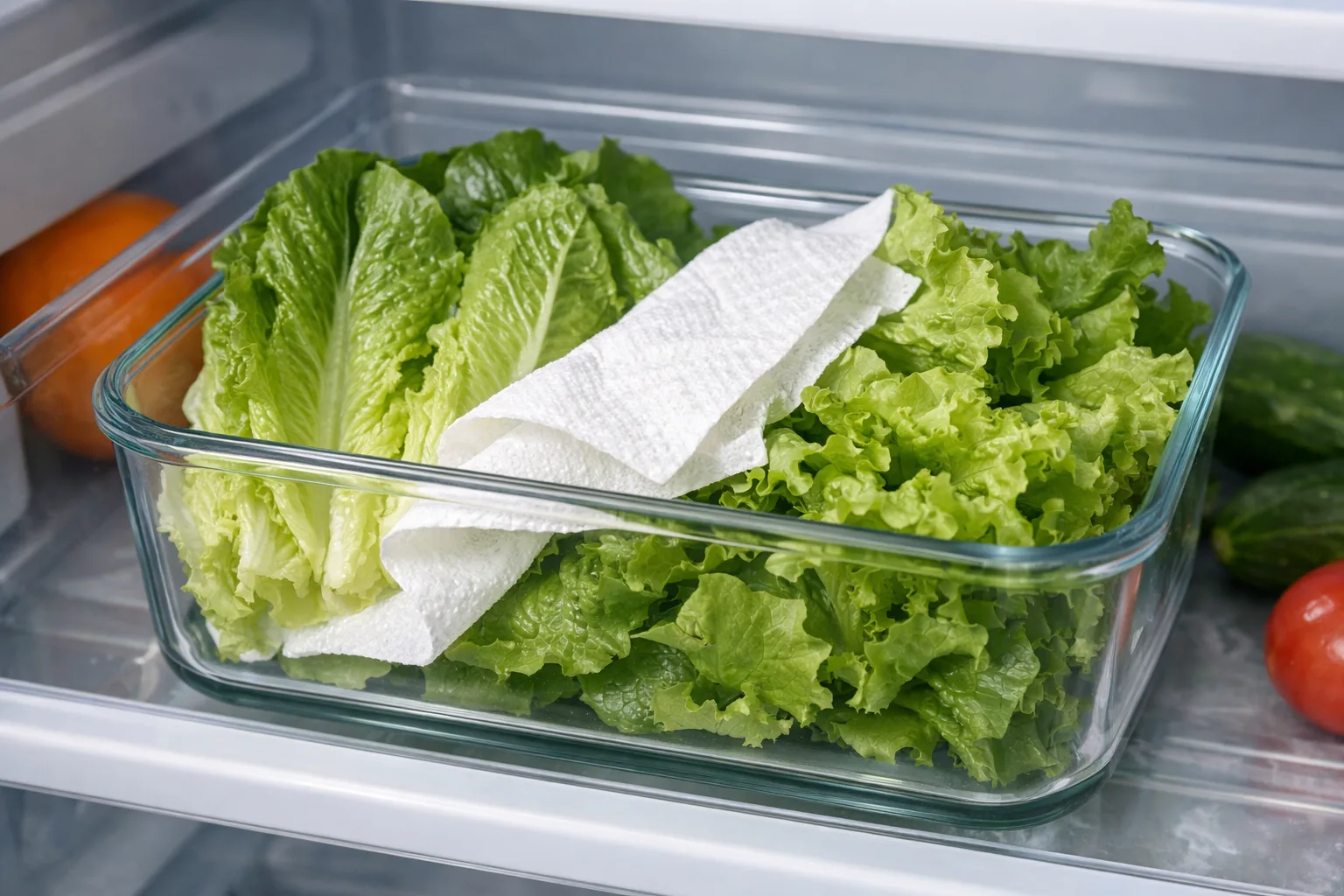
How to Keep Lettuce Crisp in the Refrigerator Longer
A little moisture control can make the difference between crisp lettuce and a soggy bag. Learn how to store whole heads, washed leaves, and leftovers.
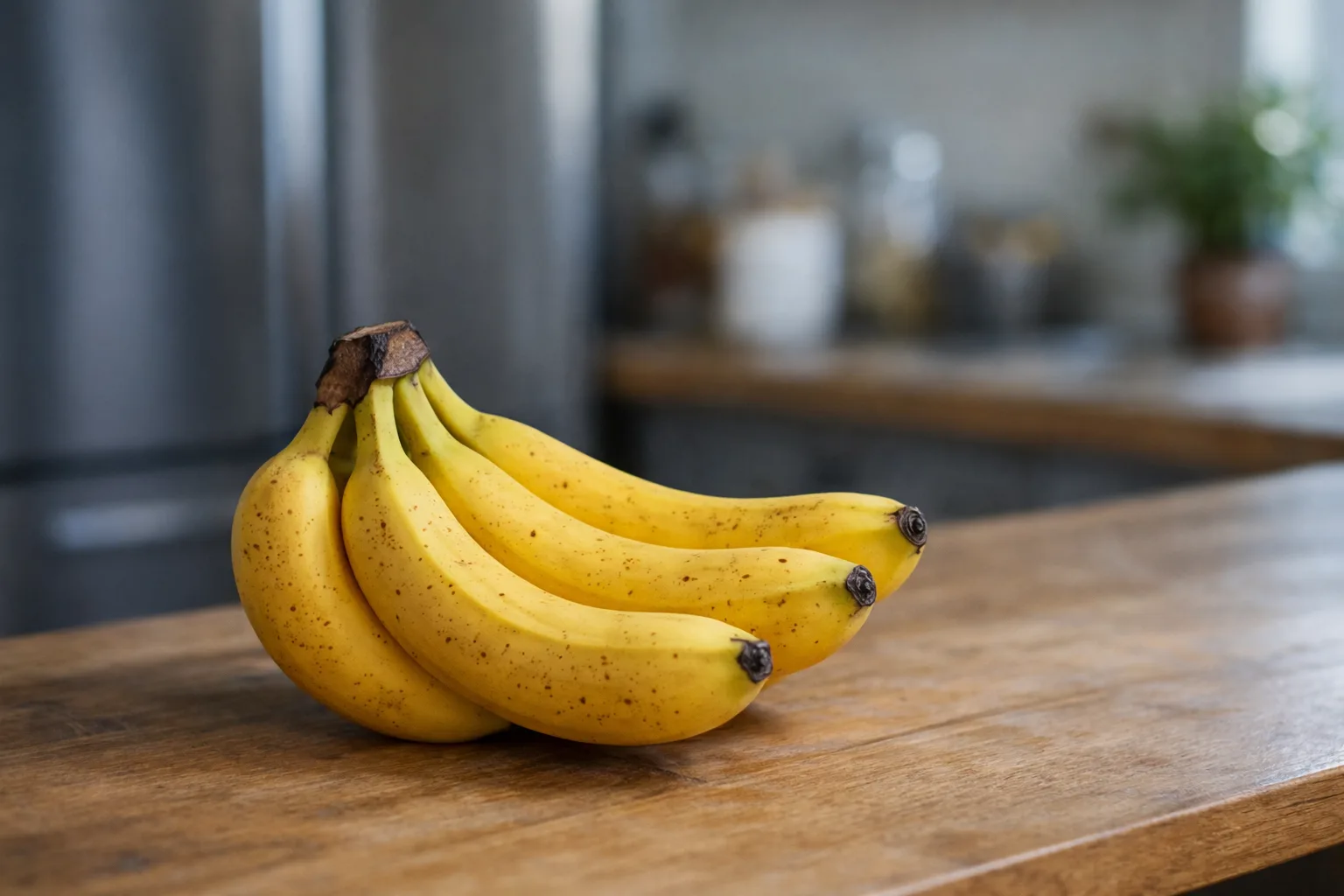
How to Keep Bananas from Ripening Too Quickly at Home
Bananas ripen fast because they release ethylene gas. Learn where to store them, when to use the fridge, and which popular tricks really help.
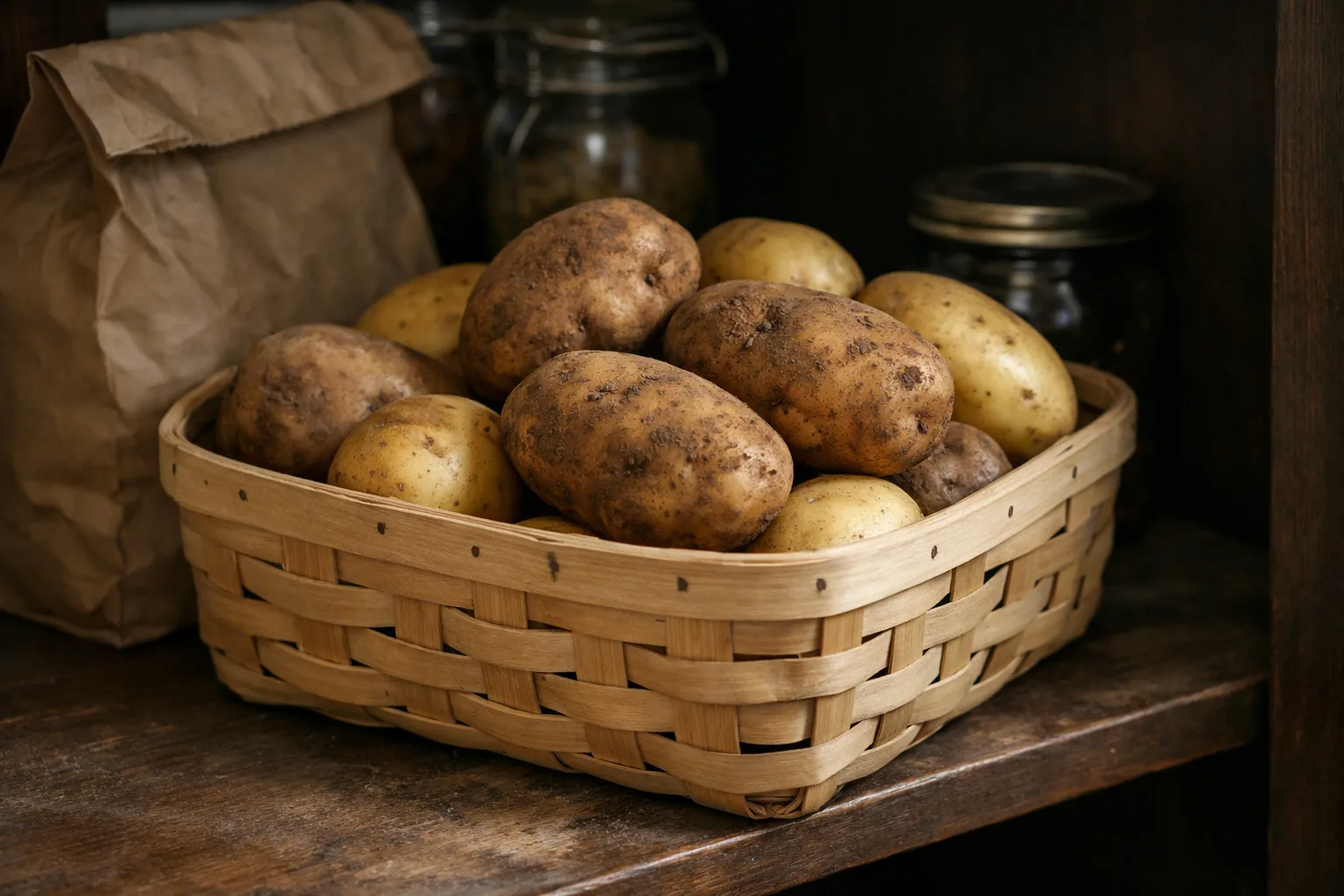
How to Store Potatoes So They Sprout More Slowly
Keep potatoes cool, dark, dry and well ventilated to slow sprouting. Learn which containers work, where to store them and what to avoid.