How to Clean a Coffee Maker When Mineral Scale Builds Up
By WowPebble Editorial
White, chalky buildup can slow a coffee maker and affect your brew. Learn how to descale it safely, rinse it well, and help prevent scale from returning.
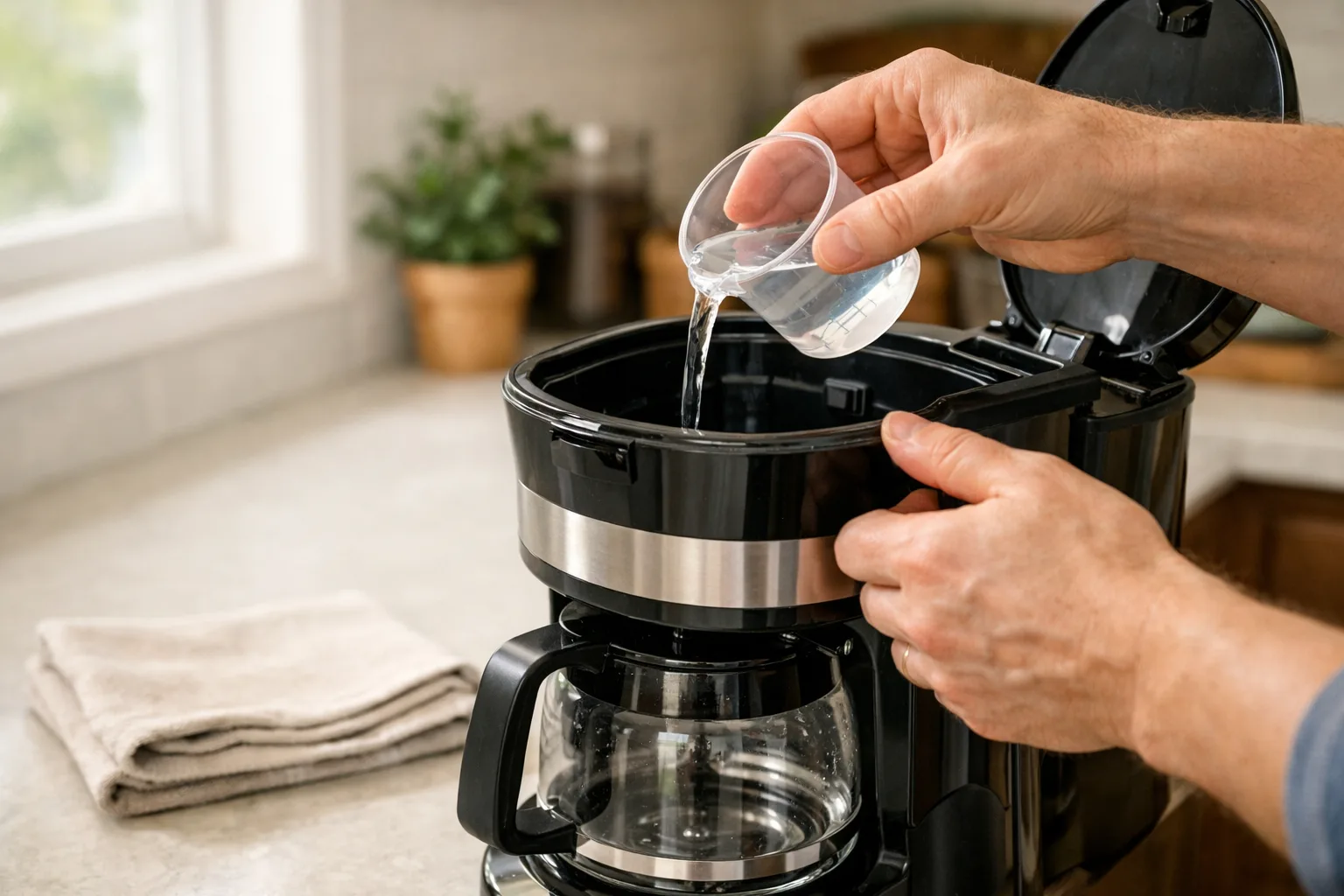
A coffee maker that takes longer to brew, makes unusual noises, or leaves pale flakes in the pot may have mineral scale inside. The fix is usually descaling: circulating a product that dissolves mineral deposits through the machine, then rinsing thoroughly. The important caveat is that coffee makers differ, so check the manual before choosing a descaler or starting a cleaning cycle.
What mineral scale is—and why it matters
Tap water contains dissolved minerals, especially calcium and magnesium. When water is heated, some of those minerals can collect on the surfaces and narrow passages inside a coffee maker. The resulting deposit, often called limescale, may look like white or off-white crust.
Scale can restrict water flow and make a machine heat or brew less effectively. It may also leave particles in the carafe. While scale is not the same thing as the coffee oils and residue that collect in a basket or carafe, both can affect how cleanly a machine works. Descaling addresses mineral deposits; washing removable parts addresses everyday coffee residue.
How quickly scale forms depends partly on the water and how often the machine is used. Hard water generally leaves more mineral deposits than soft water. A coffee maker’s cleaning or descaling reminder, if it has one, is useful—but follow the manufacturer’s guidance rather than waiting for visible buildup.
Before you start
Find the instructions for your exact model, either in its manual or on the manufacturer’s website. Check what descaler it allows, whether the machine has a dedicated descale program, and how many rinse cycles it requires. Some manufacturers recommend a particular product and caution against vinegar, which may not suit every machine’s materials or internal components.
Gather the approved descaler, fresh water, and a container large enough to catch the output. Remove any paper filter and used coffee grounds. If the machine has a water filter in its reservoir, take it out unless the instructions say otherwise; descaling solution can affect a filter, and the filter may block the cleaning solution from circulating as intended.
Let the machine cool if it has just been used. Keep the electrical base and plug dry, and never immerse the machine in water. If you notice a damaged cord, leaking, or another electrical problem, stop and consult the manufacturer instead of trying to clean the machine while it is plugged in.
Descale a drip coffee maker
- Prepare the solution. Mix the manufacturer-approved descaler with water in the proportions on its label or in the machine manual. Do not guess at a concentration. If the manual specifically permits vinegar, follow its directions for using it; otherwise, use a compatible descaling product.
- Fill the reservoir. Pour in the prepared solution. Put the empty carafe in place, and check that the basket is empty. If your machine has a descale setting, select it and follow the prompts.
- Run the cleaning cycle. Start the cycle according to the instructions. Some machines use a dedicated program; others run a normal brew cycle. Don’t interrupt, pause, or repeat the cycle unless the manual directs you to do so.
- Rinse the machine. Empty and rinse the carafe. Fill the reservoir with fresh water and run the number of rinse cycles specified by the manufacturer. If the instructions call for more than one, complete them all. The water should be free of descaler residue before you make coffee again.
- Wash removable parts. Clean the carafe, brew basket, and other removable pieces with warm, soapy water if their instructions allow it. Rinse and dry them before reassembling the machine.
If the machine still brews slowly after a proper descale and rinse, check the manual’s troubleshooting advice. A clogged basket, a blocked outlet, or another fault may be responsible. Avoid poking around inside the machine or using a sharp object to clear an internal passage.
Espresso machines and other designs
An espresso machine has a different water path from a basic drip maker, so don’t assume the drip-coffee instructions apply. Use a descaler intended for the model or machine type, and follow the manufacturer’s procedure. Depending on the design, descaling may involve a dedicated program or specific steps for the water circuit. A steam wand, group head, or removable water tank may also have separate cleaning instructions.
Single-serve brewers, pod machines, and machines with built-in grinders can have their own programs and restrictions, too. In particular, don’t pour descaling solution into a grinder or any compartment that the manual doesn’t identify as part of the water system. When the procedure is unclear, the manufacturer’s instructions are safer than a generic recipe.
Vinegar, descaler, and common mistakes
Vinegar is a familiar household acid that can dissolve some mineral deposits, but familiar doesn’t mean universally suitable. Its use is appropriate only when the coffee maker’s instructions allow it and specify how to use it. Otherwise, choose a compatible commercial descaler and follow its label. More concentrated solution is not necessarily better, and it may damage components or leave residue.
Never mix descaler with bleach or other cleaning products. Don’t use bleach to descale a coffee maker, and don’t add baking soda to the descaling solution. Mixing cleaning chemicals can be hazardous, while abrasive powders or improvised tools can damage surfaces. Keep cleaning products away from children and pets, and dispose of used solution according to its label and local guidance.
Also avoid treating a descale cycle as a substitute for regular cleaning. Coffee oils can build up in the basket and carafe even when there is little mineral scale. Wash those parts regularly, and wipe the exterior with a damp cloth without getting water into the electrical base.
How to slow scale from returning
Use fresh water for each brew, and empty the reservoir if the manufacturer recommends doing so between uses. If your tap water is particularly hard, consider a water filter or an approved reservoir filter, while checking that the machine is compatible with it. A filter may reduce some minerals, but it does not replace descaling.
Keep to the schedule in the manual or respond to the machine’s cleaning reminder. The right interval depends on water hardness, use, and the model, so a single timetable won’t suit every kitchen. When in doubt, follow the manufacturer’s schedule and use its recommended method.
Descaling is a straightforward way to clear mineral buildup and help a coffee maker work as intended. Match the method to the machine, use the correct solution, and give it a thorough rinse before brewing your next cup.
You might also like
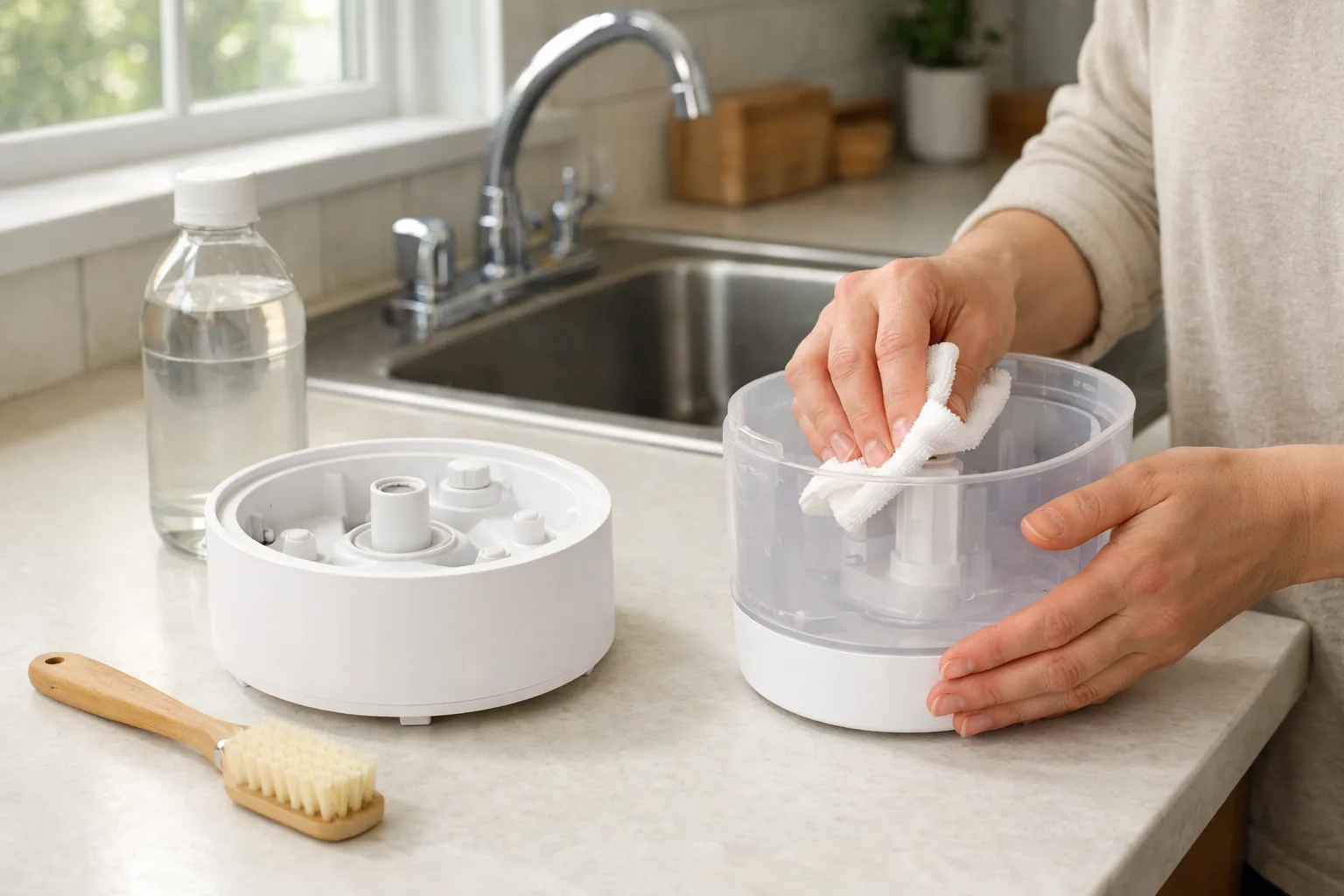
How to Clean a Humidifier and Stop Mineral Buildup
Clean your humidifier regularly to remove scale and reduce residue. Learn how to descale it safely, care for filters and prevent mineral buildup.
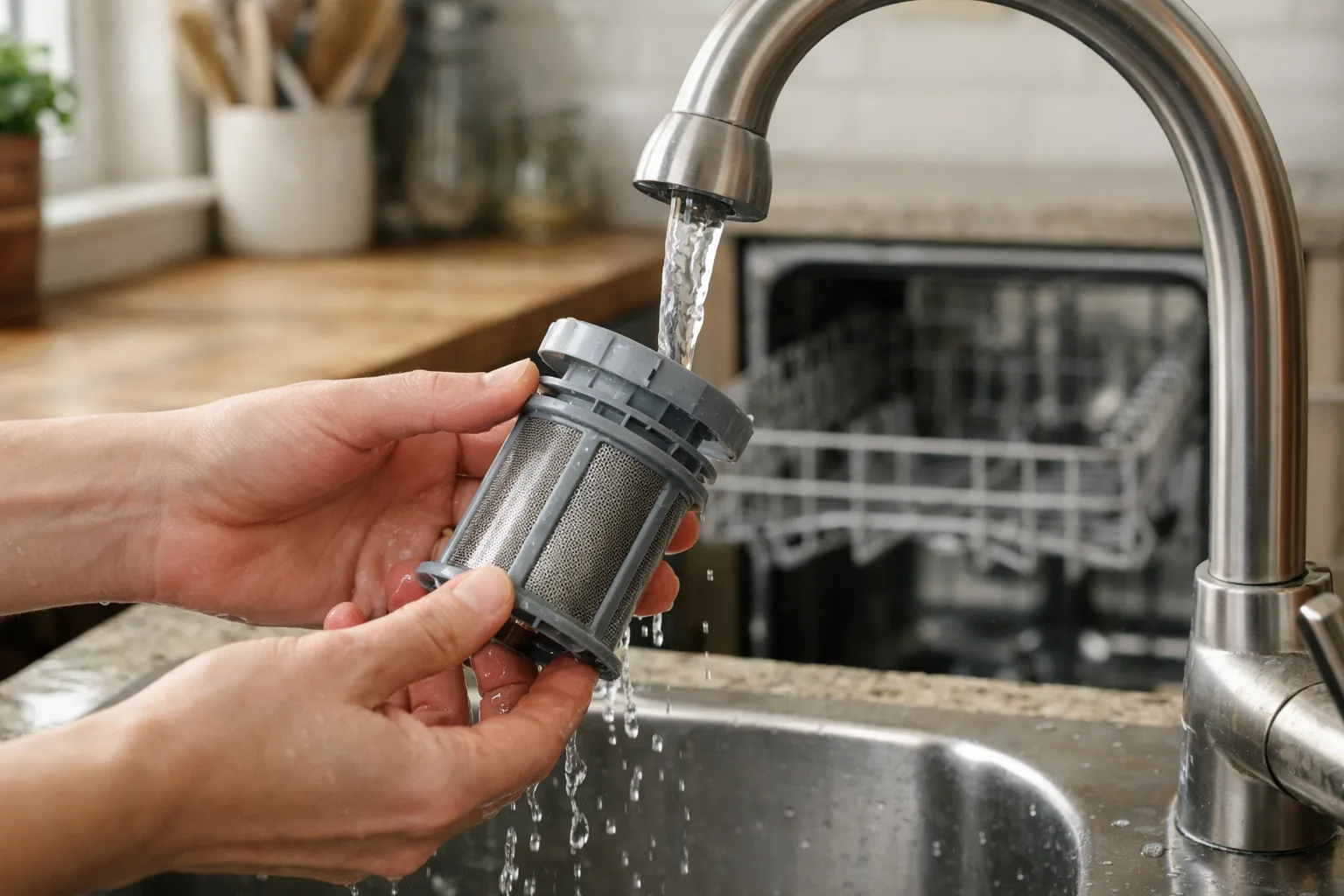
How to Clean a Dishwasher Filter When Dishes Come Out Dirty
Cloudy glasses and gritty plates may point to a clogged dishwasher filter. Learn how to find, clean, and reinstall it—and what to check next.
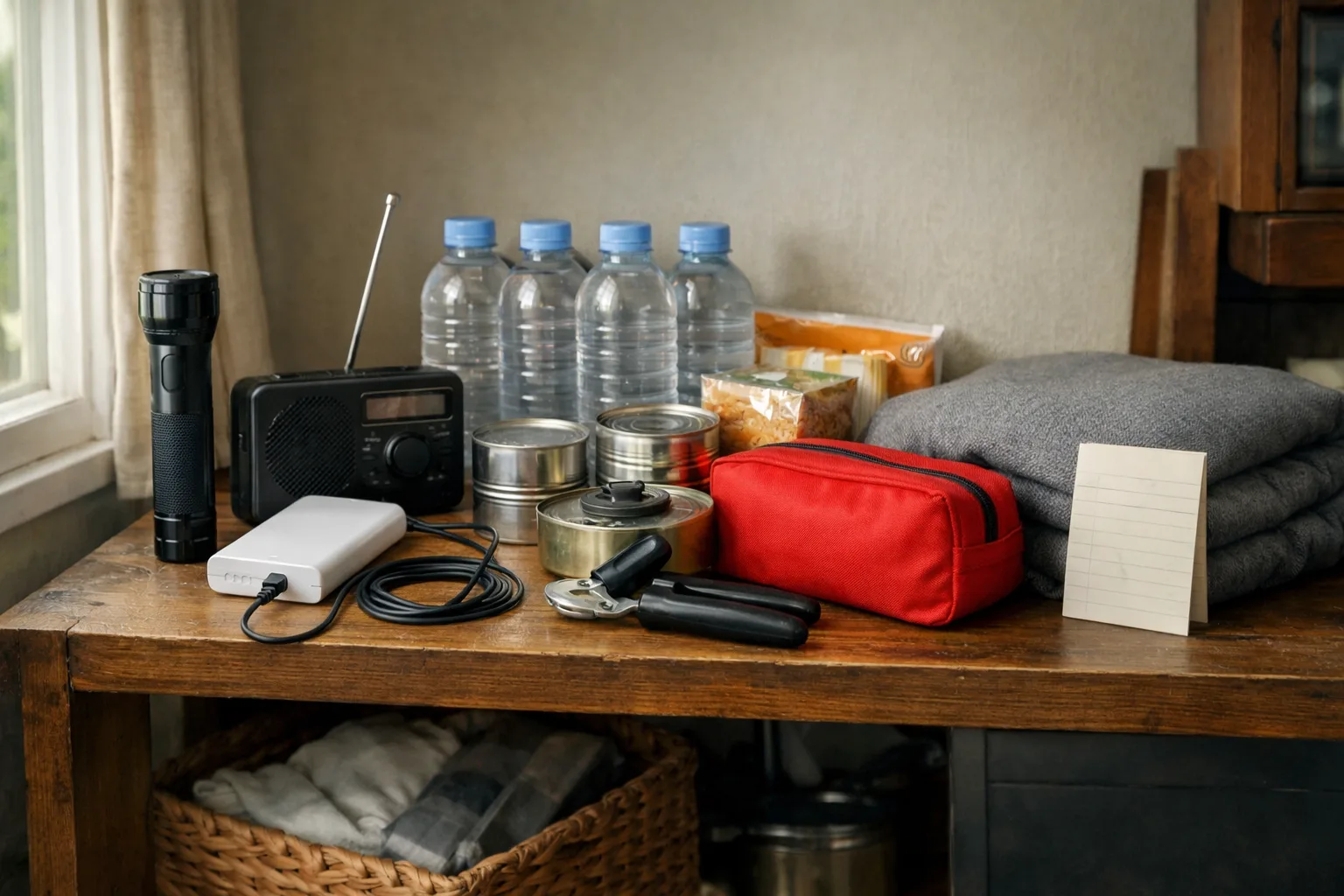
What to Keep in a Home Kit for a Power Outage
Build a practical outage kit with lighting, charged power banks, water, easy-to-eat food, essential medicines and supplies suited to your household.