How Geodes Grow Their Crystal-Filled Interiors
By WowPebble Editorial
A geode starts with a hidden cavity in rock. Mineral-rich water slowly deposits crystals along its walls, turning an ordinary-looking stone into a geological treasure.
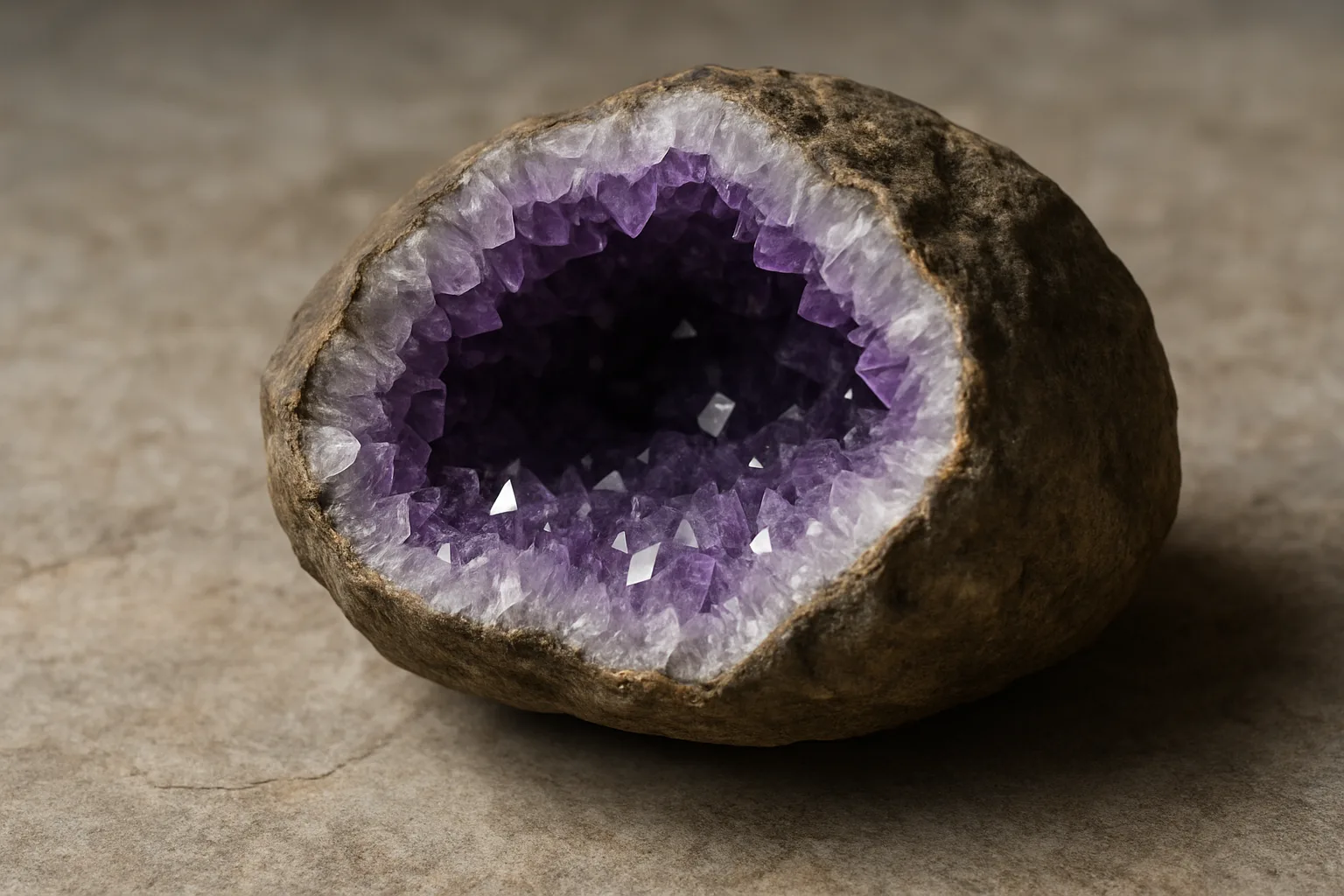
A geode can look like an ordinary, lumpy rock on the outside and reveal a sparkling crystal-lined chamber when opened. The secret is a hidden cavity: over time, mineral-rich water seeps into the space and leaves crystals behind as dissolved minerals come out of solution. The rock provides the shell, while slow geological processes build the display inside.
That simple idea can unfold in several different ways. Geodes may begin as gas bubbles in cooling lava or as cavities in sedimentary rock. Their crystals can be quartz, calcite, amethyst, or other minerals, depending on the conditions underground.
First, a cavity forms
A geode needs an open space to grow inside. One common starting point is a bubble in lava. As molten rock cools, gas can become trapped, leaving a rounded hollow in the solidifying rock. Later, water carrying dissolved minerals may find its way into that cavity through tiny openings.
Geodes also form in sedimentary rocks, including limestone. Groundwater can dissolve parts of a rock or minerals within it, creating a space that may later become lined with crystals. The details vary from place to place, so not every geode begins in exactly the same way.
In either setting, the cavity is crucial. Without room for crystals to grow, minerals deposited from water would simply fill cracks or coat the surfaces of solid rock.
Mineral-rich water builds the lining
Water moving through rock can pick up dissolved substances from the surrounding minerals. If that water enters a cavity, changes in temperature or chemistry may cause some of those substances to leave the water and form solid mineral crystals on the cavity’s walls.
This process is called precipitation. It is not the same as rain: in geology, it means dissolved material becomes solid. The atoms arrange themselves into repeating structures, the defining feature of crystals. With repeated deposits, small crystals can grow into visible points and clusters.
Quartz is one of the most familiar geode minerals. It forms from silica-rich water. Calcite, a different common mineral, forms from water containing calcium and carbonate. Other minerals can appear when the local water and rock supply the right ingredients.
The water does not need to pour into the cavity in a dramatic rush. It may move through pores and hairline cracks, adding minerals gradually. Growth can pause and resume as conditions change or fresh mineral-bearing water arrives. The cavity’s interior records that process in layers and crystal surfaces.
Why geodes have different crystals and colors
A geode’s mineral mix depends on what was available in the surrounding rock and groundwater, as well as conditions such as temperature and water chemistry. That is why one geode may have clear quartz points while another is lined with calcite or a different mineral.
Color also offers clues about chemistry. Amethyst is a purple variety of quartz. Its color is associated with iron in the crystal and exposure to natural radiation within the rock. Other trace substances can tint crystals, while some quartz remains clear or milky.
Not every geode contains one uniform layer. Changes in the water may leave successive coatings of minerals, sometimes creating bands of different colors or textures. In some, a smooth layer of chalcedony—a compact form of silica—lines the cavity beneath larger crystals. In others, crystals grow directly from the inner rock surface.
The size and shape of the crystals vary, too. The amount of open space matters, but so do the supply of dissolved minerals and the conditions under which growth occurs. A wide cavity can hold a large crystal-lined chamber; a narrow crack may produce a thin coating instead.
Why some geodes are hollow and others are not
A geode is often imagined as a hollow rock, but its interior may be only partly open. If mineral deposits continue for long enough, they can fill much or even all of the cavity. A mineral-filled rock may look more like a solid nodule when split, rather than a hollow shell with a central space.
The outer layer often gives little away. It may be rough, knobbly, or weathered, and it can look much like other rocks nearby. Some geodes have a hard outer rind, while the surface of others is less distinctive. Their plain appearance is part of what makes opening one so surprising—but an unusual shape alone cannot confirm what is inside.
Geodes should also not be confused with every rock that contains crystals. A crystal-lined cavity is the key feature. A solid rock with crystals scattered through it formed differently, even if its minerals are just as attractive.
Where geodes form
Geodes occur in both volcanic and sedimentary rocks, though the conditions and minerals differ by region. Some well-known amethyst geodes from Brazil and Uruguay formed in cavities in ancient volcanic basalt. Elsewhere, geodes are found in sedimentary formations, where groundwater has circulated through rock and deposited minerals in cavities.
These regional differences help explain why geodes from particular places may be associated with certain minerals or appearances. Still, location alone does not guarantee a particular color or crystal type; the history of each cavity matters.
How a geode is opened
From the outside, it can be difficult to tell whether a rock contains a crystal-lined cavity. Some geodes are cut with a rock saw to reveal a clean cross-section. Others are carefully split. Hitting a rock at random can produce an uneven break and send sharp fragments flying, so eye protection and appropriate tools matter.
A cut can show more than the crystals themselves. It may reveal the outer rind, mineral layers, and the shape of the original cavity. Those features make a geode both a natural display and a small record of changing conditions underground.
The transformation takes place out of sight: a cavity forms, water brings in dissolved minerals, and crystals grow along the walls. The result is a reminder that a rock’s most striking features may be hidden until the right moment—and that even a quiet-looking stone can preserve a long, intricate geological story.
You might also like
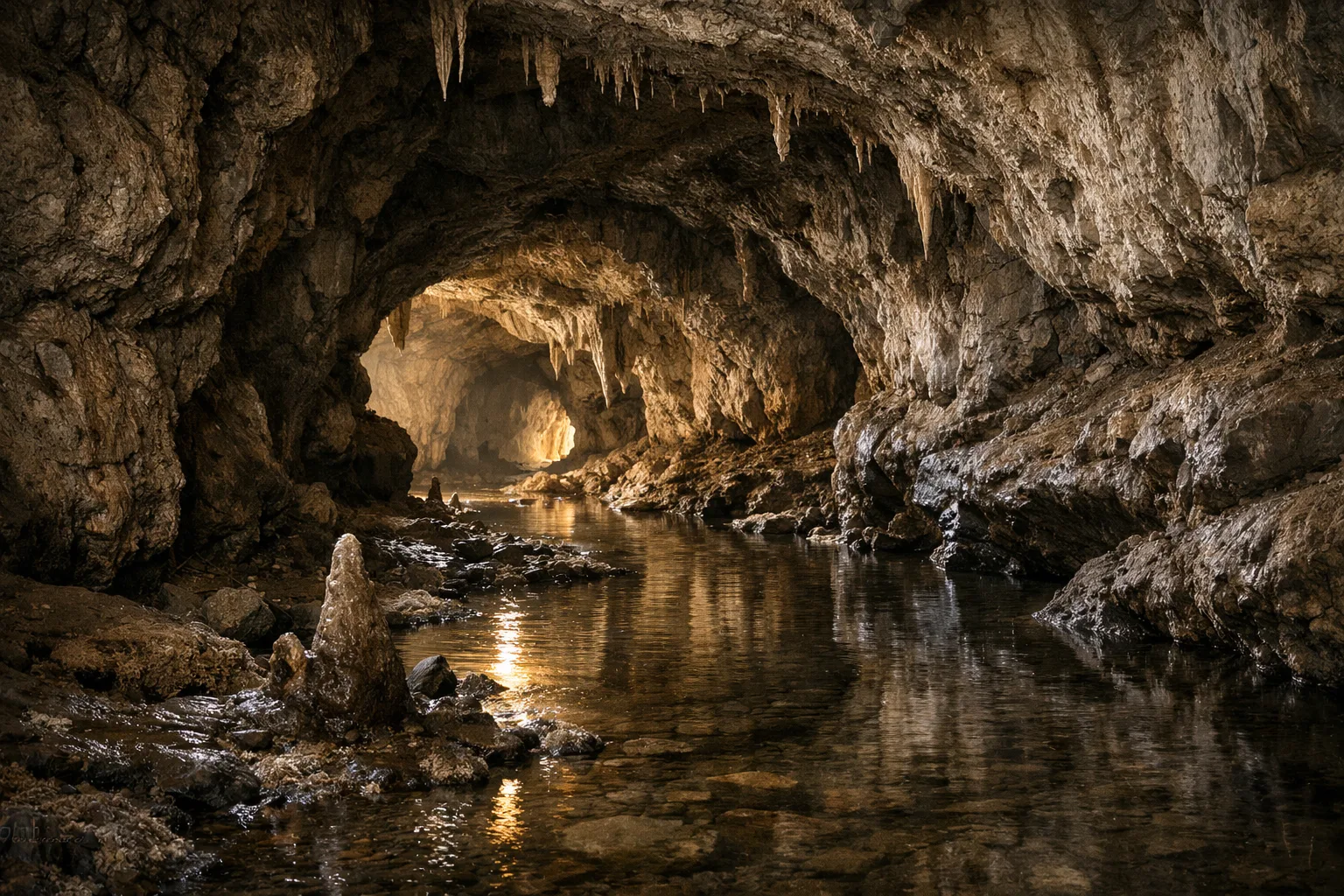
How Caves Form: The Slow Work That Shapes Rock
Caves form as water dissolves rock, waves carve coastlines, or lava drains from cooling flows. Discover how tiny cracks grow into underground passages.
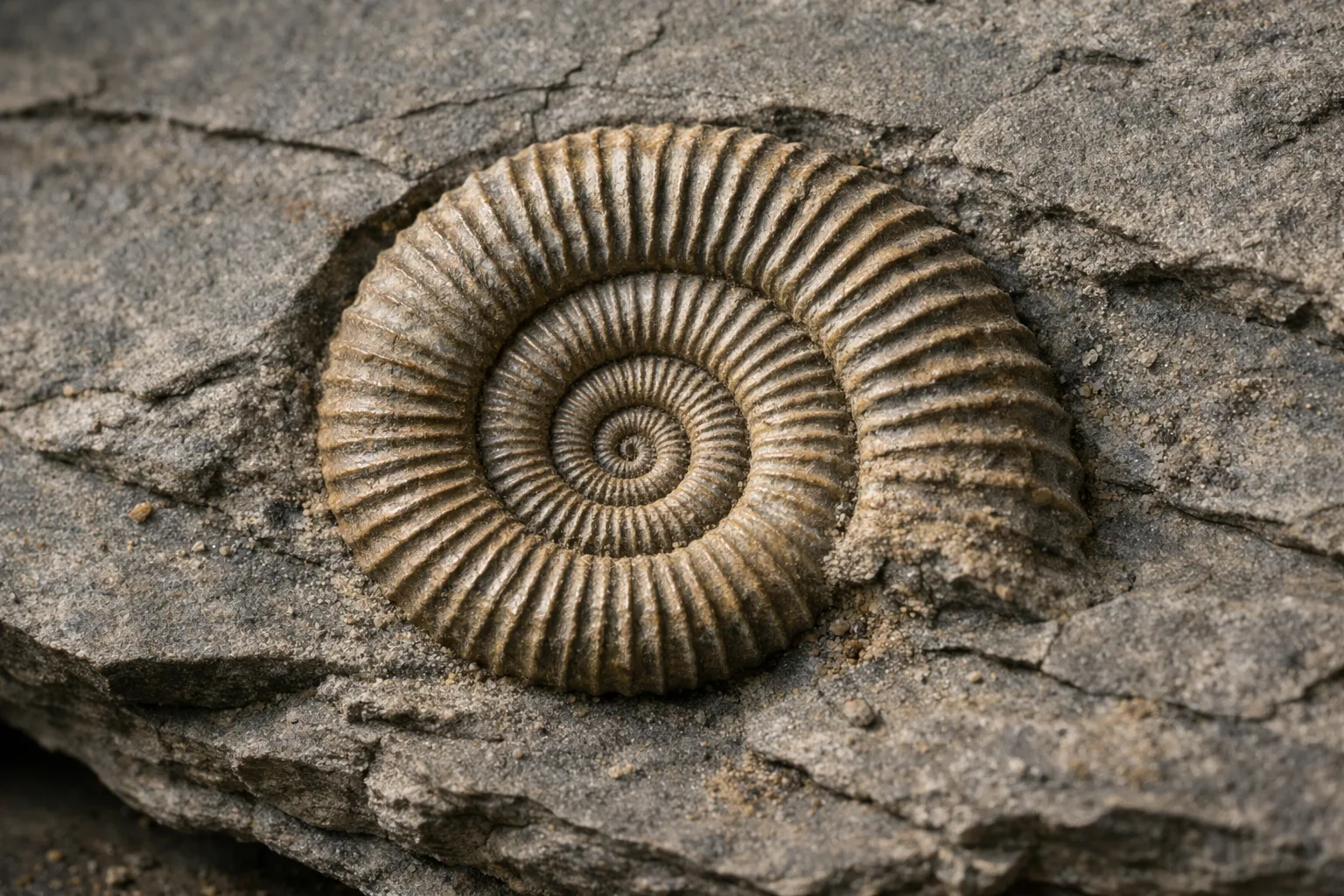
How Fossils Form: The Long Journey from Life to Stone
Fossils preserve more than bones. Learn how burial, minerals, and rare conditions can turn traces of ancient life into clues about Earth’s past.
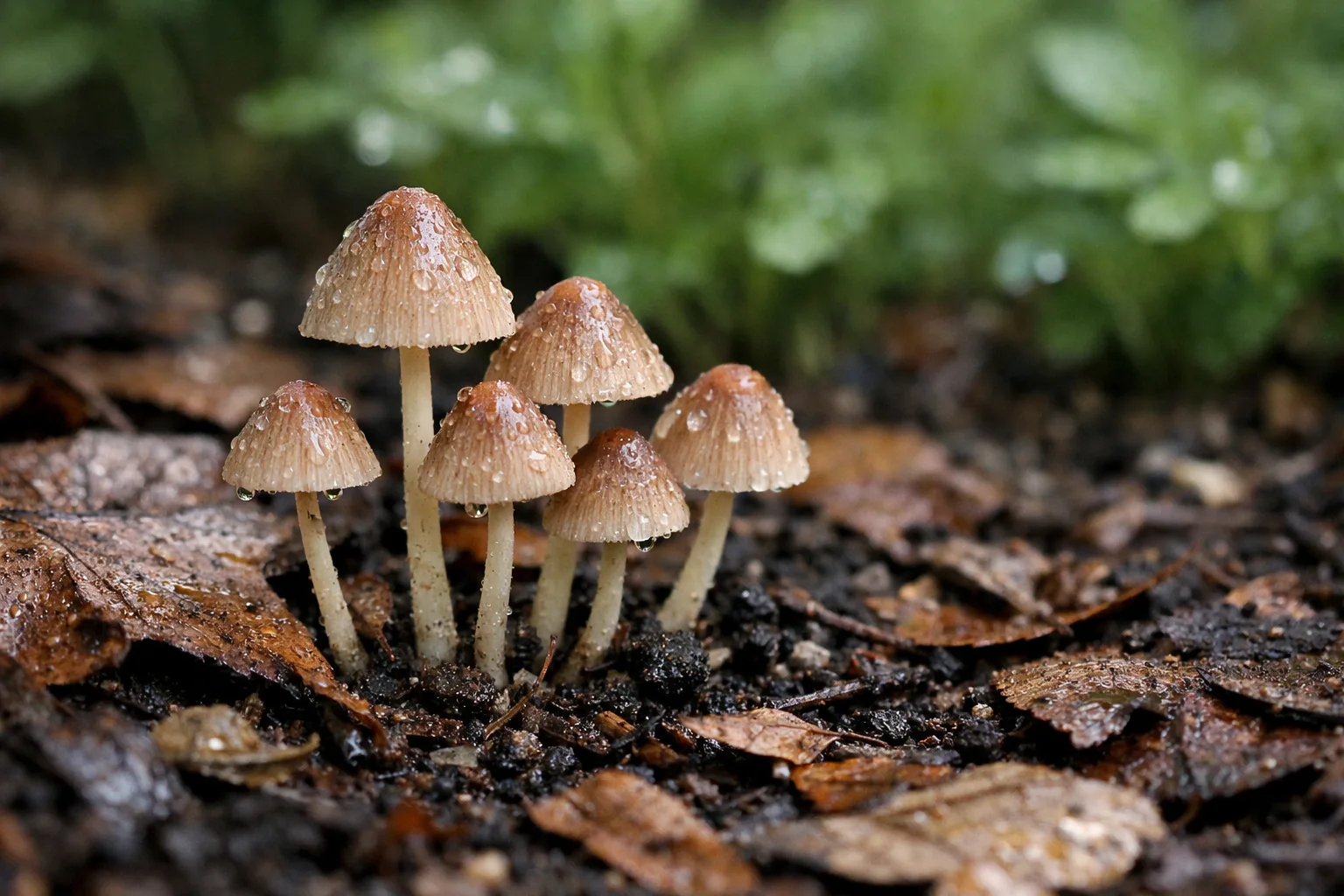
How Do Mushrooms Seem to Appear Overnight?
Mushrooms don’t grow from nothing in a single night. Their hidden fungal network can produce visible fruiting bodies quickly when conditions are right.