How to Get a Stuck Zipper Moving Without Breaking It
By WowPebble Editorial
A stuck zipper usually needs less force, not more. Find out how to free trapped fabric, ease tension and lubricate the teeth without damaging the zip.
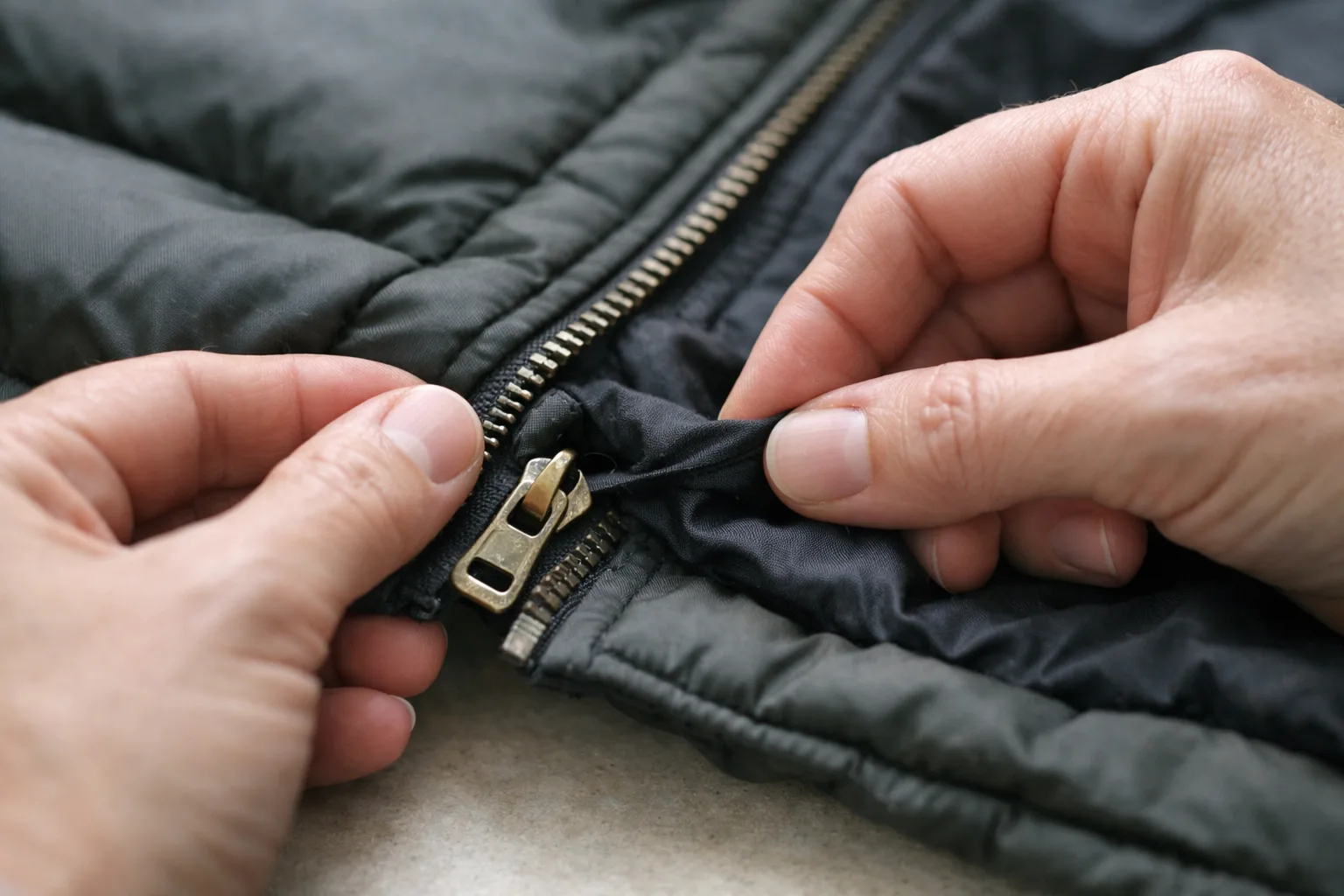
A stuck zipper usually moves again when you ease the pressure on it, free any trapped fabric and gently work the slider back and forth. Don’t yank the pull: that can tear the fabric, bend the slider or damage the teeth. First look closely at what is stopping it, because a snag needs a different fix from a stiff or dirty zipper.
Check the pull tab before treating it as a jam
Use the pull tab rather than pushing directly on the slider body. YKK describes locking sliders that stay in place until the tab releases a small locking mechanism. Some release when the tab is raised; automatic-lock types release with a gentle pull. Do not assume every tab must be forced to the same angle.
If a tab is missing or the mechanism will not release with normal gentle operation, stop rather than prying at it. An engaged lock, trapped lining and a damaged slider are different problems; adding more lubricant is not a substitute for finding which one you have.
If fabric is caught in the slider
Lay the garment or bag flat so the zipper isn’t under strain. Find the bit of lining or fabric caught in the slider—the small piece that travels along the teeth.
Hold the fabric beside the snag and gently pull it away from the teeth. At the same time, move the slider back in the direction it came from, using tiny movements rather than one hard pull. If the fabric is still trapped, stop and reposition it; don’t tug the cloth through the slider. Once it is free, check that no threads remain caught before trying the zipper again. This gentle reversal is consistent with YKK’s advice for a slider caught in cloth.
If the zipper is under tension
A zipper can resist moving when the two sides are being pulled apart, as they might be on a full bag or a tight garment. Bring the zipper tapes—the strips of fabric on either side of the teeth—toward each other to reduce that strain. Keep them aligned, then try moving the slider a short distance. If the zipper is on clothing, taking the garment off may make this easier.
The slider should travel along the track without needing a sharp pull. If it catches again, stop and inspect the teeth rather than forcing it.
If the teeth look dirty or the slider feels stiff
Brush away lint or grit with a soft, dry brush. If the zipper still feels stiff, check the item maker’s care instructions before applying anything. Use a lubricant only if it is suitable for that zipper and surrounding material, following its directions for amount and placement. The label “zipper lubricant” alone is not evidence of compatibility with every product.
Coated water-resistant and waterproof zippers need particular care. YKK gives distinct instructions for AquaGuard and AQUASEAL, including slow, aligned operation for AQUASEAL. Follow the instructions for the actual item; do not pry open a sealing zipper or assume a household oil, wax or graphite is approved. Testing for a visible stain does not establish compatibility with a coating or seal.
When not to keep trying
If teeth are bent, missing or separating behind the slider, lubrication is unlikely to solve the problem. Repeatedly pulling the slider can make the damage worse. A tailor, repair shop or bag-repair service may be able to replace the slider or zipper, depending on the item and the damage.
You might also like
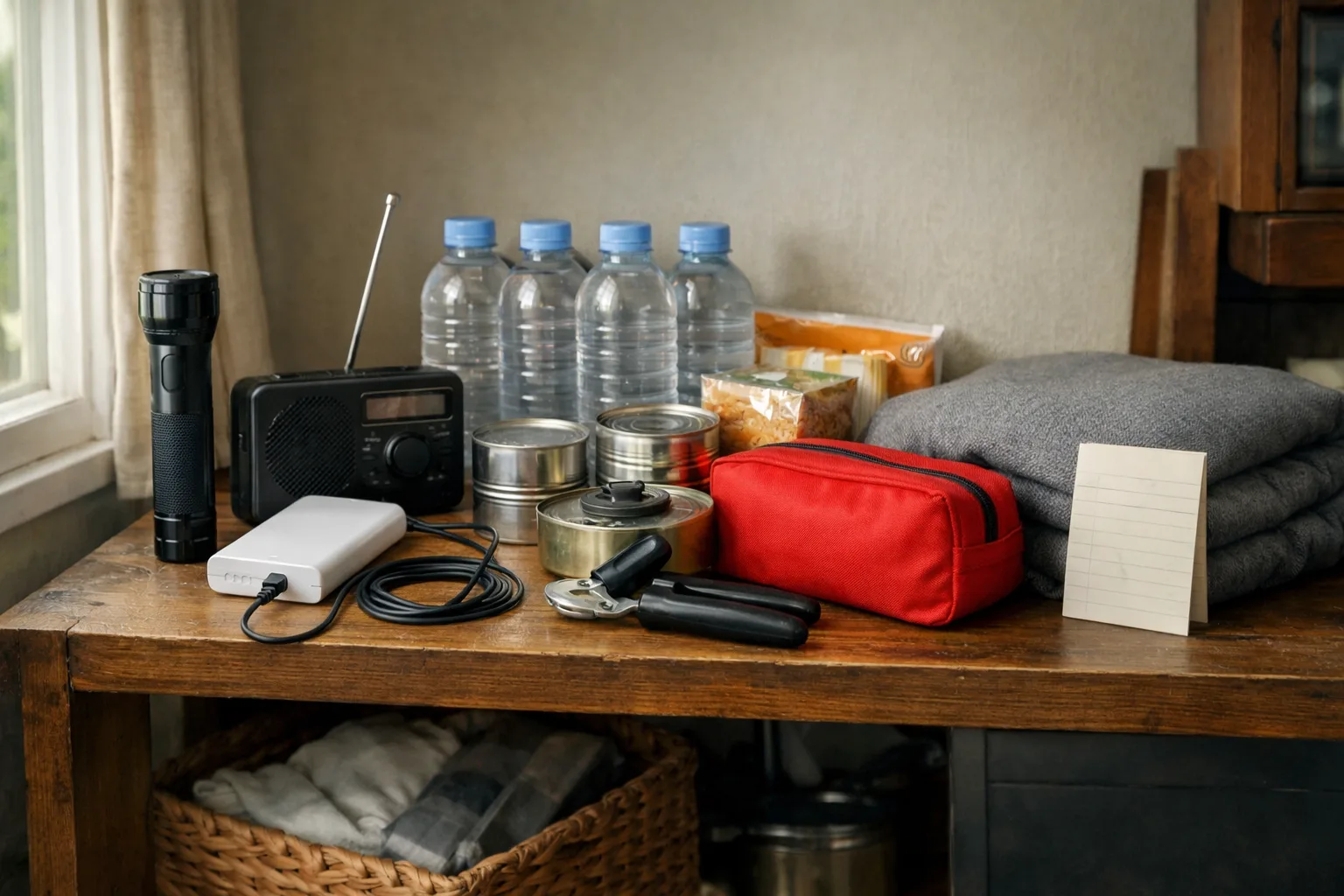
What to Keep in a Home Kit for a Power Outage
Build a practical outage kit with lighting, charged power banks, water, easy-to-eat food, essential medicines and supplies suited to your household.
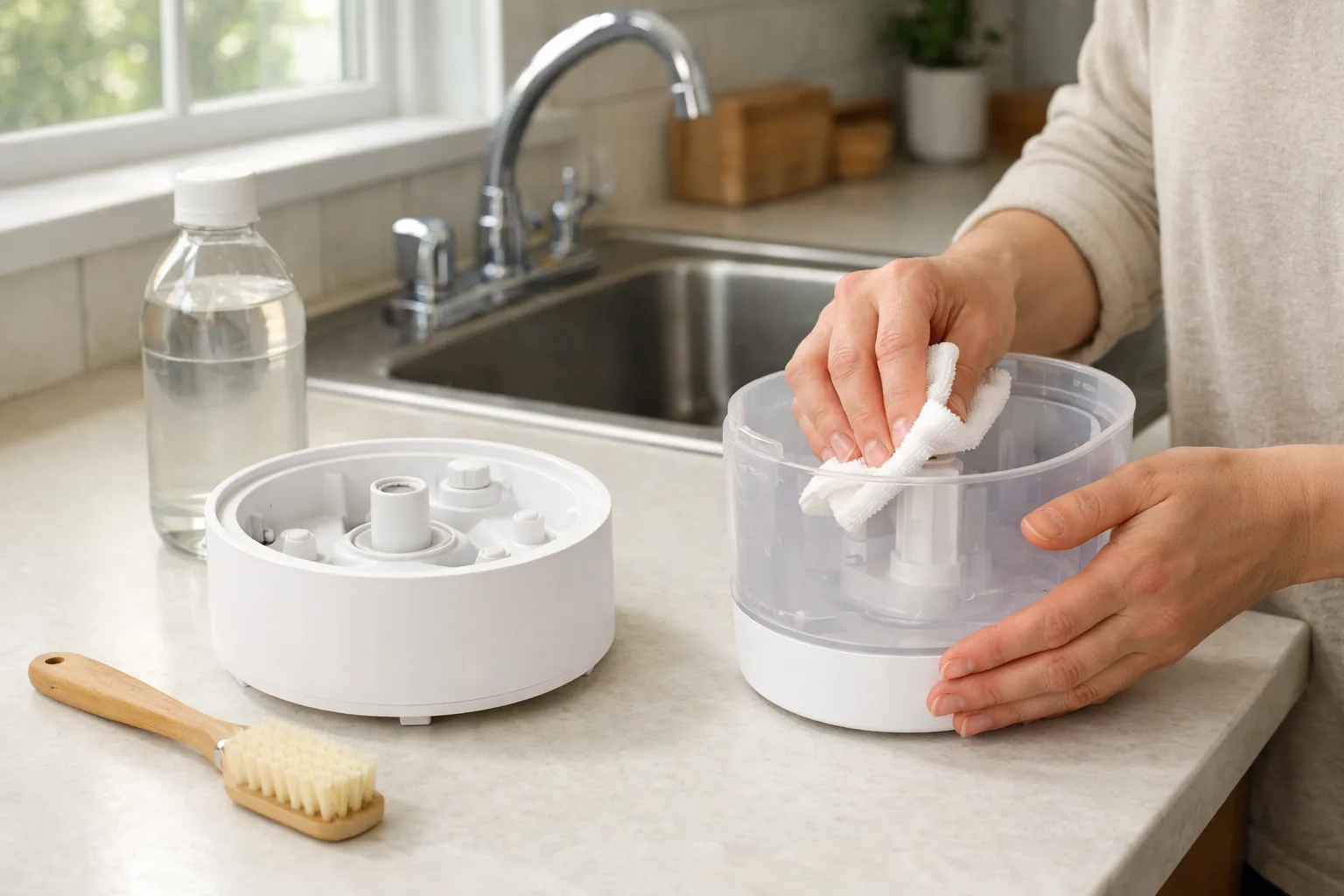
How to Clean a Humidifier and Stop Mineral Buildup
Clean your humidifier regularly to remove scale and reduce residue. Learn how to descale it safely, care for filters and prevent mineral buildup.
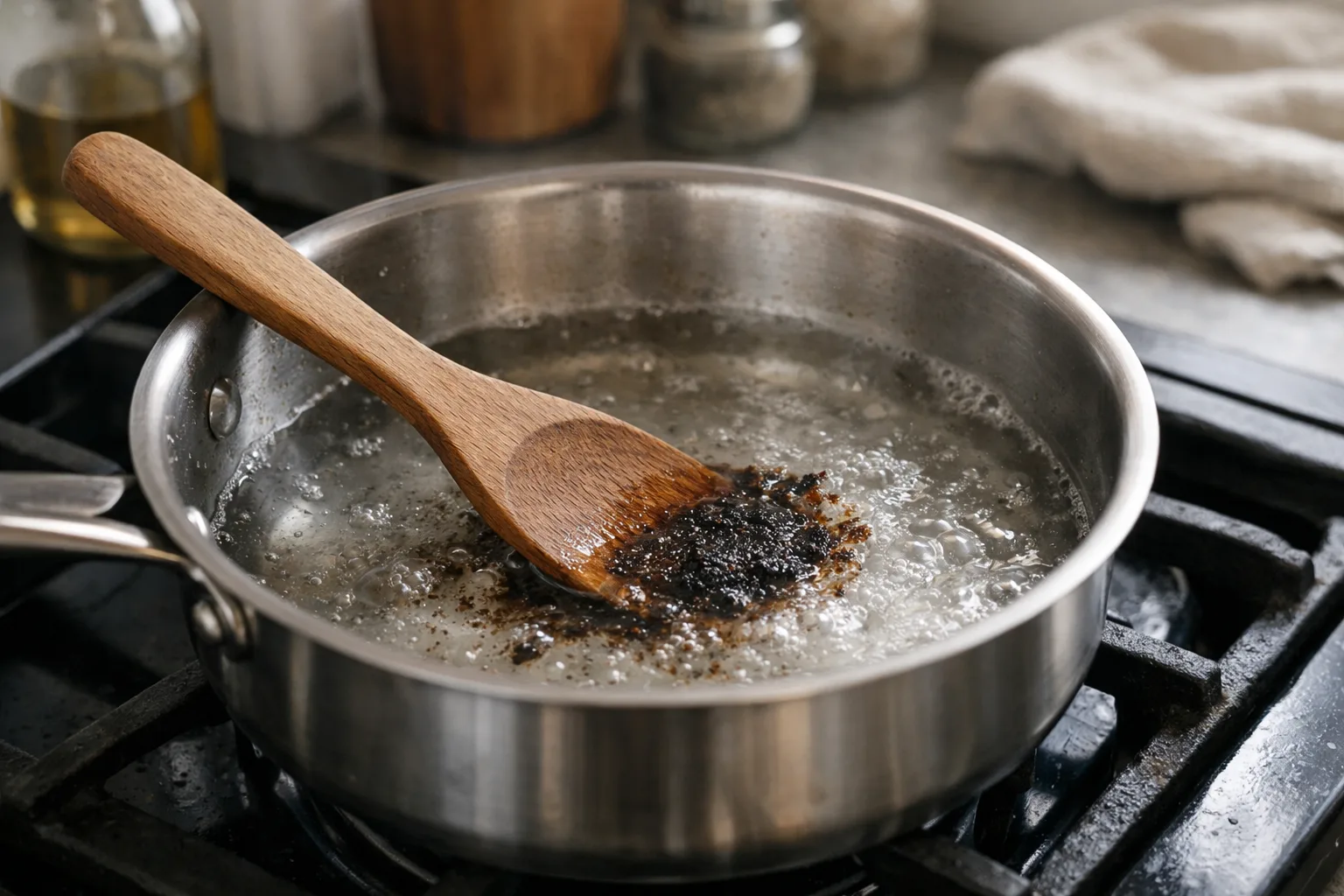
How to Remove Burnt Food from a Stainless Steel Pan
Loosen burnt-on food from a stainless steel pan with hot water and gentle scraping. For stubborn residue, add baking soda and scrub without damaging the finish.