How to Find and Shut Off Your Home’s Main Water Valve
By WowPebble Editorial
A burst pipe can send water spreading fast. Learn where to look for your home’s main shutoff, how to operate it, and what to do if it will not budge.
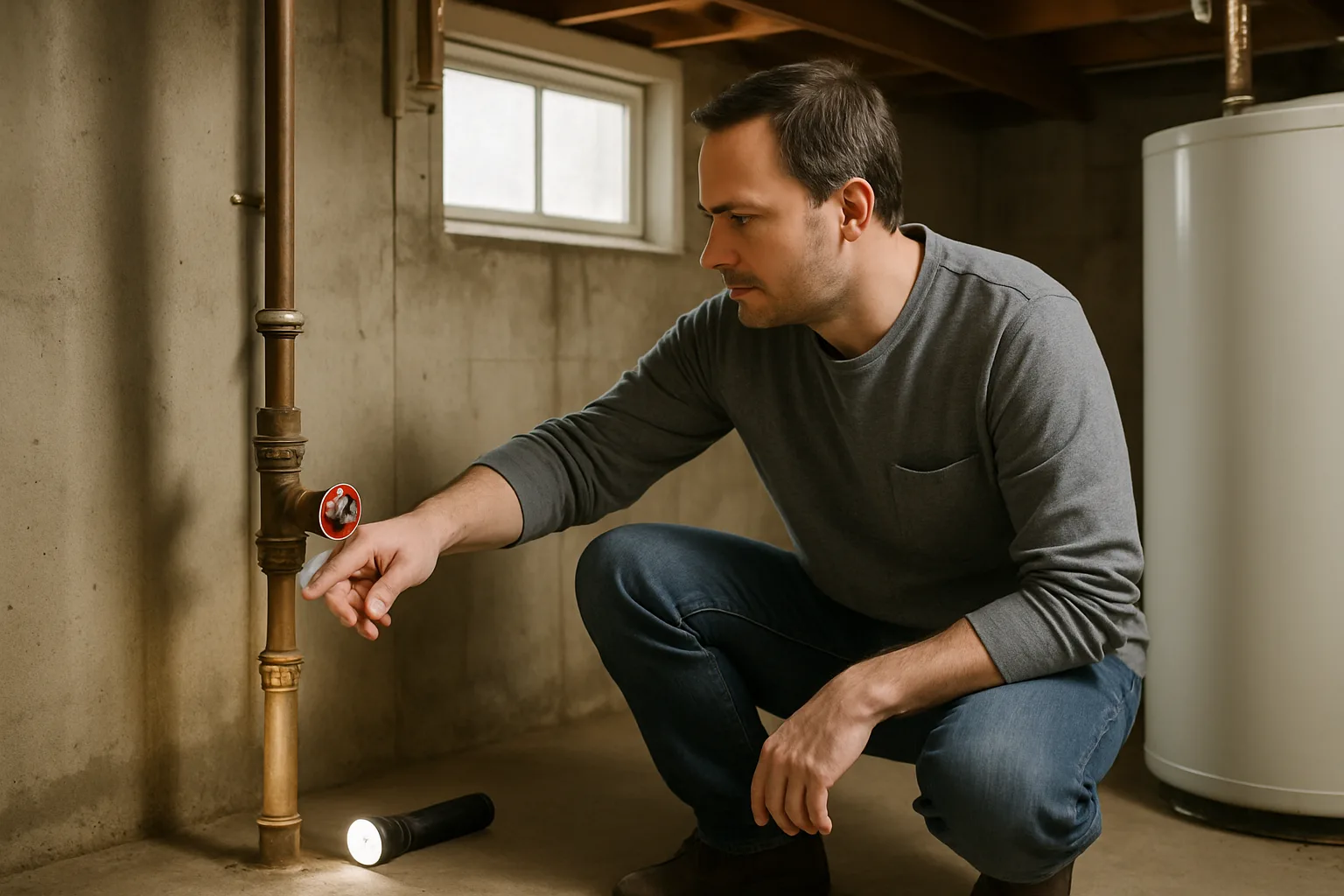
A leaking pipe or failed hose can turn into a costly mess in minutes. Knowing how to shut off your home’s main water valve gives you a quick way to stop most incoming water while you deal with the problem. The valve is usually where the water service line enters the home, but its exact location and design vary—so it is worth finding and testing it before an emergency.
Where to look for the main water valve
Start by looking for the pipe that brings water into your home. The main shutoff is commonly installed on that pipe, often near the point where it enters the building. Depending on your home’s layout and climate, check:
- The basement, especially along a front or side foundation wall.
- A crawlspace near the home’s entry point for the water line.
- A garage, utility room, or mechanical closet.
- A cabinet or closet near a water heater, particularly in homes without basements.
- A service area near the water meter, if the meter is inside the home.
In a house on a concrete slab, the valve may be in a garage, closet, or other utility area. In a cold region, plumbing is often kept inside the heated part of the home to help protect it from freezing, but layouts differ. If you do not see the valve right away, look for the incoming pipe and follow it. A flashlight can help in a dim basement or crawlspace.
The main valve is not the same as the smaller shutoffs beneath sinks or behind toilets. Those control water to a single fixture. A main shutoff usually sits on a larger pipe and, when closed, stops the home’s incoming supply to many or all plumbing fixtures.
If you live in an apartment, condo, or other multi-unit building, your unit may have its own shutoff—or the building may have a shared valve managed by the property owner or manager. Ask before operating a valve that could affect neighbors or shared equipment.
Identify the kind of valve
Two common types are a gate valve and a ball valve. A gate valve typically has a round handle that turns several times. A ball valve usually has a straight lever handle that moves a quarter turn.
Thames Water’s inside-stop-valve guide gives a documented wheel-valve example and explains why water may take time to stop. Use the identified type's markings and your building's procedure: do not apply wheel-valve instructions to an unfamiliar lever, motorised control or shared system.
On many ball valves, the lever is aligned with the pipe when open and across the pipe when closed. That is a useful clue, but designs and installations can vary, so look for labels or markings and do not rely on handle position alone if it is unclear. A gate valve is generally closed by turning its wheel clockwise and opened by turning it counterclockwise.
Do not confuse your home’s shutoff with the utility’s curb stop. The curb stop is often in a box near the street or property line and may require a special tool. It is usually intended for the water utility or a qualified professional, not routine homeowner use.
Local responsibility matters: Thames Water’s household guidance, for example, distinguishes an internal plumbing problem from a supply problem and directs residents to an approved plumber or landlord where appropriate. Use your own supplier's and building manager's instructions; this UK example is not a universal valve-location rule.
How to shut off the water
If a pipe is actively leaking, move quickly but carefully. Keep away from standing water near electrical equipment, and do not enter a flooded area if you are unsure whether it is safe.
- Find the main valve. If you already know its location, go straight to it. Otherwise, follow the incoming water pipe toward the home.
- Turn it gently. For a ball valve, move the lever a quarter turn. For a gate valve, turn the wheel clockwise until it stops. Use steady pressure, not a wrench or excessive force.
- Confirm the result by the building’s procedure. For an ordinary cold domestic supply, an appropriate cold tap may continue to run briefly as water already in the pipe drains. Do not treat a reduced flow as isolation of every stored-water, pumped or hot-water system.
- Look for the source of the problem. Once water is off, avoid using affected fixtures until the leak has been repaired.
A stuck, badly corroded, or leaking valve is a reason to stop—not to force it. Applying too much force can damage the valve or pipe and make the situation worse. Contact a licensed plumber. If the leak is severe and you cannot operate your home’s valve, call your water utility to ask what emergency help is available; procedures vary by location.
What to do after the water is off
For an ordinary domestic supply, follow the building's instructions for confirming that flow has stopped. Do not assume closing the incoming-water valve makes every hot-water, stored-water, pumped or pressurised system safe to work on. Do not drain, dismantle or change a boiler or water heater as part of this check. If you do not know the installation, leave further work to a qualified professional.
When the repair is complete, reopen the main valve slowly. Check the repaired area and nearby plumbing for leaks. Water may sputter from faucets for a short time as air leaves the pipes. If the flow does not return to normal or a valve begins leaking, shut it off if you can do so safely and call a plumber.
If the water will be off for a long time, or if plumbing work involves draining a water heater, follow the heater manufacturer’s instructions or ask a professional about the correct settings. Some equipment can be damaged if operated under the wrong conditions.
Find it before you need it
A calm practice run can make a stressful leak easier to handle. Locate the valve, make sure you can reach it, and learn how its handle moves. If it is safe and turns easily, you can briefly close it and test a faucet, then reopen it slowly. Do not test a valve that looks damaged or resists movement; arrange for a plumber to inspect it instead.
You can also tell household members where the valve is and keep the water utility’s emergency contact information handy. The small effort of finding the shutoff now may save valuable time when water is flowing where it should not.
You might also like
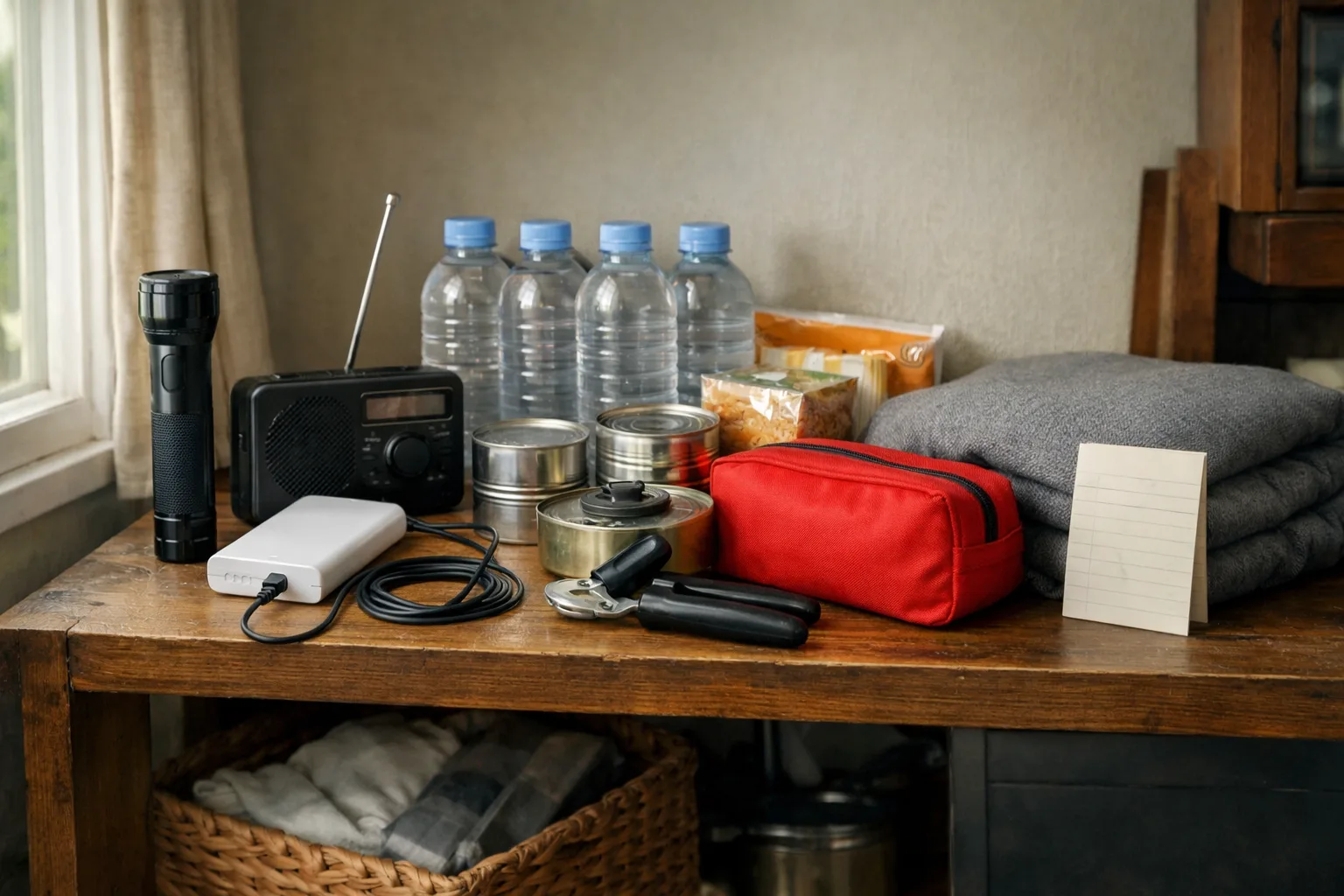
What to Keep in a Home Kit for a Power Outage
Build a practical outage kit with lighting, charged power banks, water, easy-to-eat food, essential medicines and supplies suited to your household.
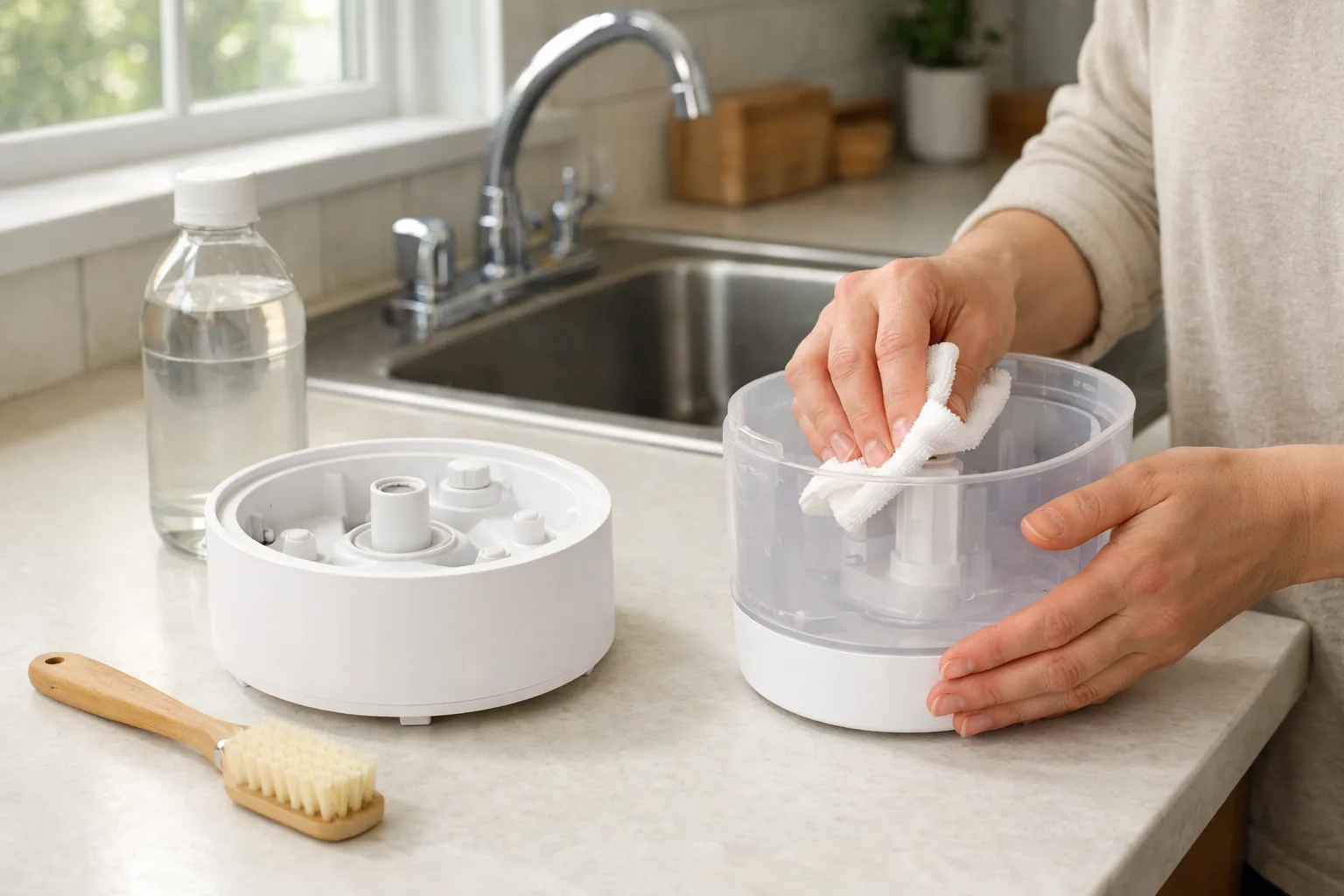
How to Clean a Humidifier and Stop Mineral Buildup
Clean your humidifier regularly to remove scale and reduce residue. Learn how to descale it safely, care for filters and prevent mineral buildup.
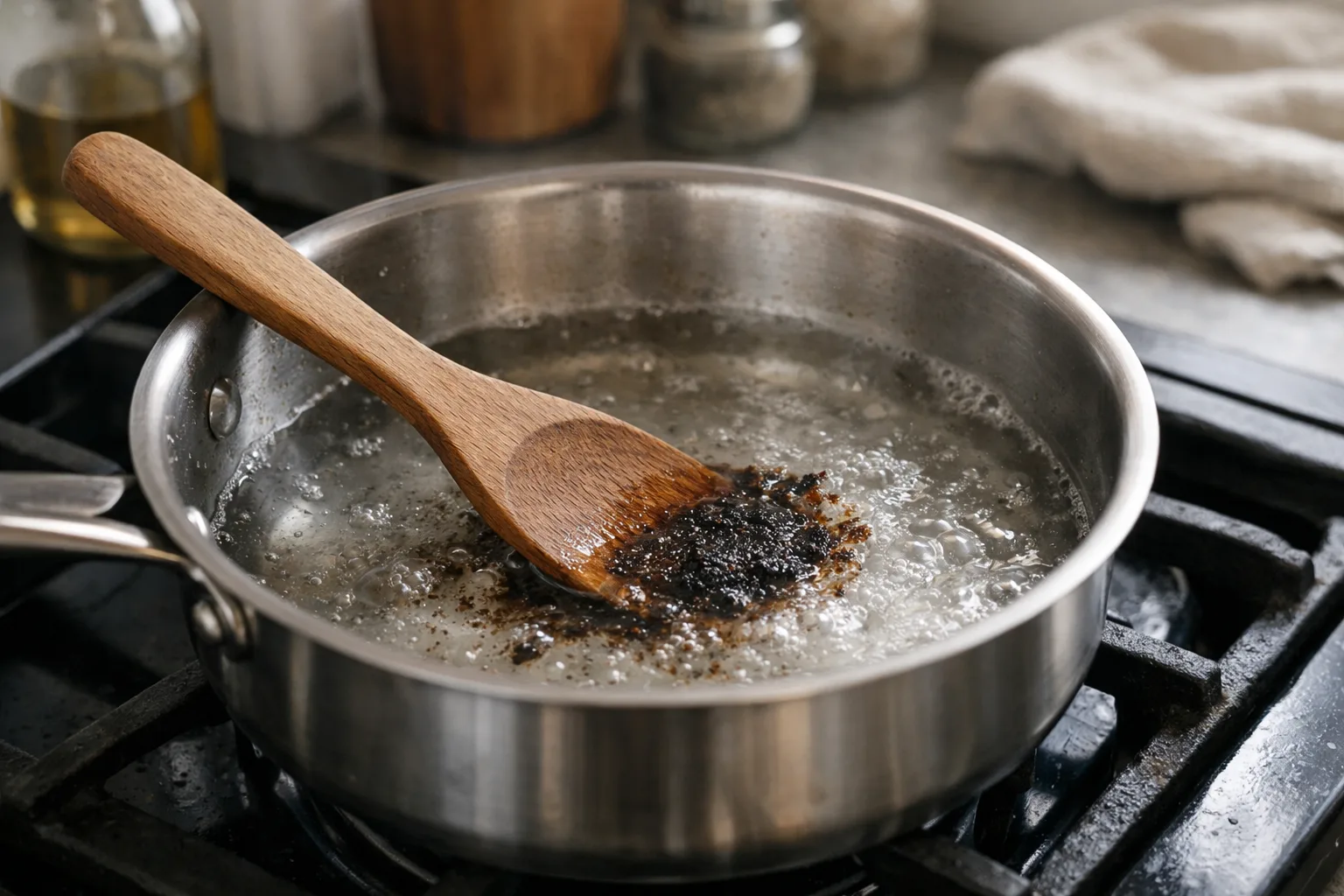
How to Remove Burnt Food from a Stainless Steel Pan
Loosen burnt-on food from a stainless steel pan with hot water and gentle scraping. For stubborn residue, add baking soda and scrub without damaging the finish.