10 Everyday Things You May Be Using Wrong
By WowPebble Editorial
Check ten everyday habits against the product you actually own, with practical corrections and limits for laundry, kitchen tools, bottles, backpacks and more.
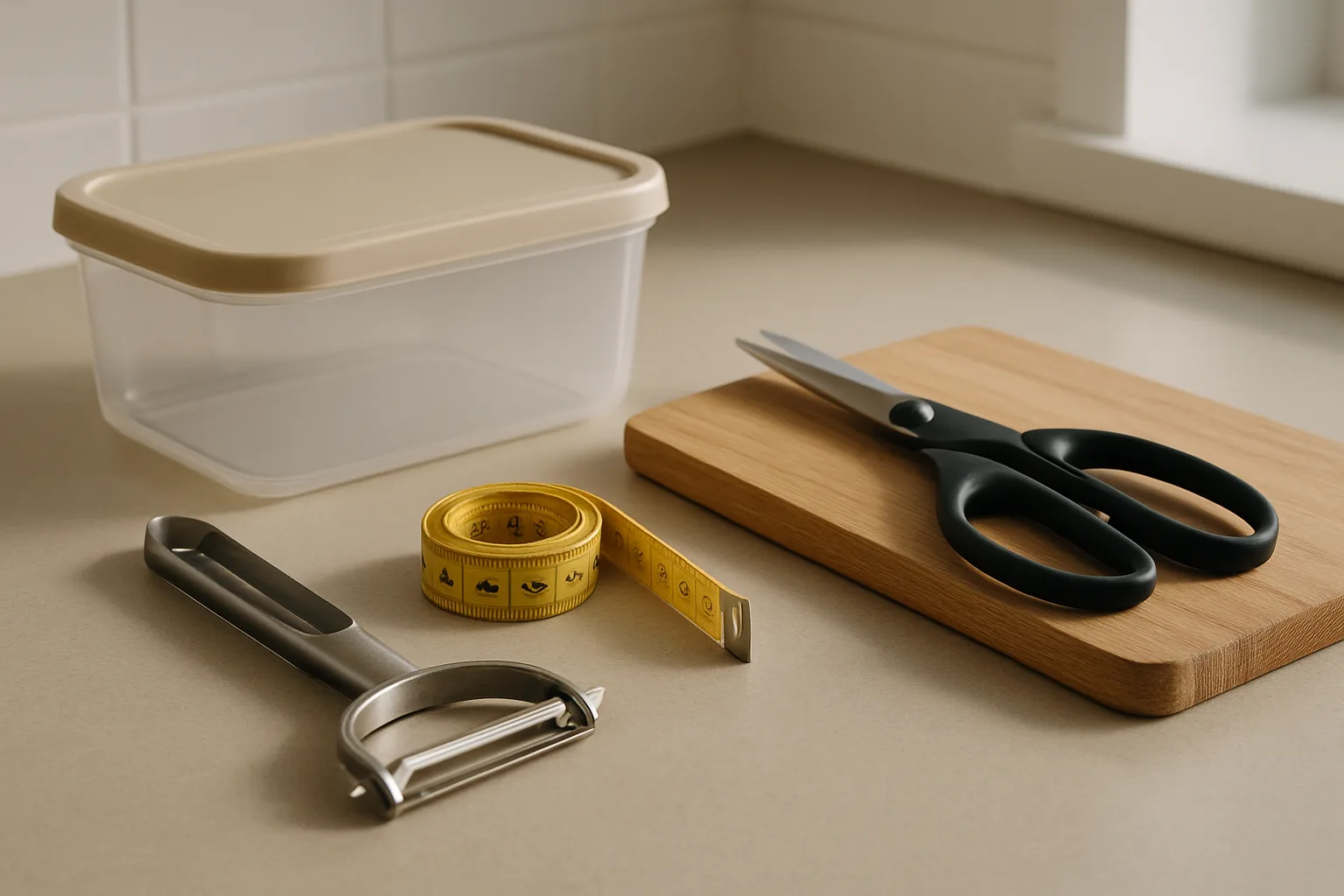
Using everyday things “wrong” often means following a habit that does not fit the particular product: filling a detergent cap regardless of concentration, covering a refrigerator vent, or treating every bottle lid as dishwasher-safe. The useful correction is a specific check, not a rule that every household must do the opposite.
These ten checks keep the familiar objects but put the model, material and task first.
1. Laundry detergent: check the dose before adding more
Use detergent suitable for your machine, then read the package's dose for the load, soil level and water conditions. A capful is not a transferable unit between concentrated products.
Whirlpool warns that non-HE detergent in its HE appliance can cause excessive suds and extra rinsing. Automatic dispensers have another variable: the concentration setting must match the detergent. Check the washer manual when switching products. Less is not always better either; heavily soiled laundry may need a different label dose, not an arbitrary spoonful.
2. The dishwasher: scrape scraps, then check the spray path
For the machines covered by Bosch's guidance, remove coarse food waste without routinely pre-rinsing dishes under running water. Load items so the spray arms can turn and dishes do not shield one another.
This does not mean leaving bones and large scraps inside, or putting non-dishwasher-safe items through a cycle. Follow your model's loading instructions. If food specks remain, check whether the filter needs attention using the model-aware dishwasher-filter guide; this checklist does not replace its removal and reassembly steps.
3. The refrigerator: find the vents before filling the last space
A container can fit on a shelf yet obstruct an air opening. Look for the supply and return vents in your model's manual, then rearrange packages blocking them.
Whirlpool explains that vent locations differ by model and that obstructed airflow can affect temperature distribution. There is no single clearance measurement for every appliance. If cooling remains abnormal after visible obstructions are cleared, follow the troubleshooting instructions or arrange service; do not assume turning the control colder fixes the cause.
4. The tape measure: leave normal hook movement alone
On a tape with a compensating hook, a small sliding movement is intentional. Stanley describes its TRU-ZERO hook as moving to account for hook thickness in inside and outside measurements.
Hook over an edge for a pull measurement or seat the hook against the starting surface for a push measurement; do not tighten its rivets simply to remove that designed movement. A bent hook or inconsistent readings needs separate attention. The full explanation of the moving tape hook covers the mechanism rather than repeating it here.
5. Kitchen knives: give each blade a protected place
Loose knives in a mixed utensil drawer can contact other objects, leaving an exposed edge where you reach. A suitable drawer insert, block or correctly fitted blade guard provides a defined storage position.
WÜSTHOF's drawer organiser is one example of slots that hold knives apart; the point is separation, not a particular brand. Check the fit for the blade and drawer, and store knives clean and dry. An oversize knife that projects beyond its guard has not gained adequate protection just because a cover is present.
6. The foil box: use the features your package actually has
Check the printed opening and closing instructions before tearing off parts of the carton. Reynolds describes a stay-closed tab on its current Heavy Duty Foil package.
That closing tab is not evidence that every foil box has push-in ends to retain the roll. Packaging varies, including older versions of the same product. Use a marked retaining feature if your box provides one; do not punch holes in an unmarked carton because a tip for a different box says to. Keep fingers away from the cutting edge when dispensing.
7. The toothbrush: more force is not the correction
The American Dental Association recommends soft bristles and advises against vigorous scrubbing. For an electric brush, follow its instructions for positioning and pressure rather than adding a hard manual scrubbing motion.
A worn brush is not made effective by pressing harder. If brushing causes persistent pain or bleeding, ask a dentist to assess the cause and technique rather than treating this general tip as a diagnosis. There is no benefit in turning routine brushing into a force test.
8. Extension cords: treat them as temporary, rated equipment
Before connecting a device, check the cord's rating and the appliance instructions. The US Consumer Product Safety Commission advises temporary use, warns against overload, and says not to route cords under carpets, through doorways or beneath furniture.
A plug fitting the socket does not establish that the cord suits the load or outdoor conditions. Stop using damaged cords; do not tape over damaged insulation as a repair. If an appliance needs a permanent supply where none is available, ask a qualified electrician about a compliant solution under local requirements.
9. Reusable bottles: the lid needs its own cleaning instructions
Read the care directions for the body, lid, straw and valve separately. Remove only the parts the maker identifies as removable, wash as directed, rinse and allow them to dry before storage.
CamelBak's instructions illustrate why one rule fails: some bottle bodies require hand washing while their caps can use the dishwasher's top rack. Its valve guidance also warns against forcing a brush through a slit that can tear. Do not pry out a fixed seal or assume a rinse through the drinking opening cleans every recess.
10. The backpack: organise weight before tightening straps
For a conventional backpack, place heavier items toward the back panel rather than letting them collect far from your body. Keep the sides balanced and secure items so they do not swing.
Osprey's packing guide places heavy equipment near the middle of the back; follow the layout and fitting instructions for your particular pack. Tightening straps cannot make an unsuitable load appropriate. Remove unnecessary items, adjust the fit and reassess discomfort rather than applying a universal weight percentage to every person and bag.
You might also like

Things Around Your Home You Probably Never Noticed
Identify nine overlooked details around your home, understand their different jobs, and learn which observations call for model-specific advice rather than a quick fix.

7 Tiny Habits That Can Make Your Day Feel Easier
Seven small, practical habits for recurring daily frustrations, with a concrete action and a way to decide whether each change is useful for you.

9 Ordinary Objects With Unexpected Stories
Explore nine everyday objects through dated patents and manufacturers’ accounts, separating documented designs from familiar but oversimplified invention stories.