Why Paperback Pages Turn Yellow as They Age
By WowPebble Editorial
A paperback’s yellowing pages are more than a sign of age. The color comes from changes in the paper’s chemistry—and light, air, and storage can speed them up.
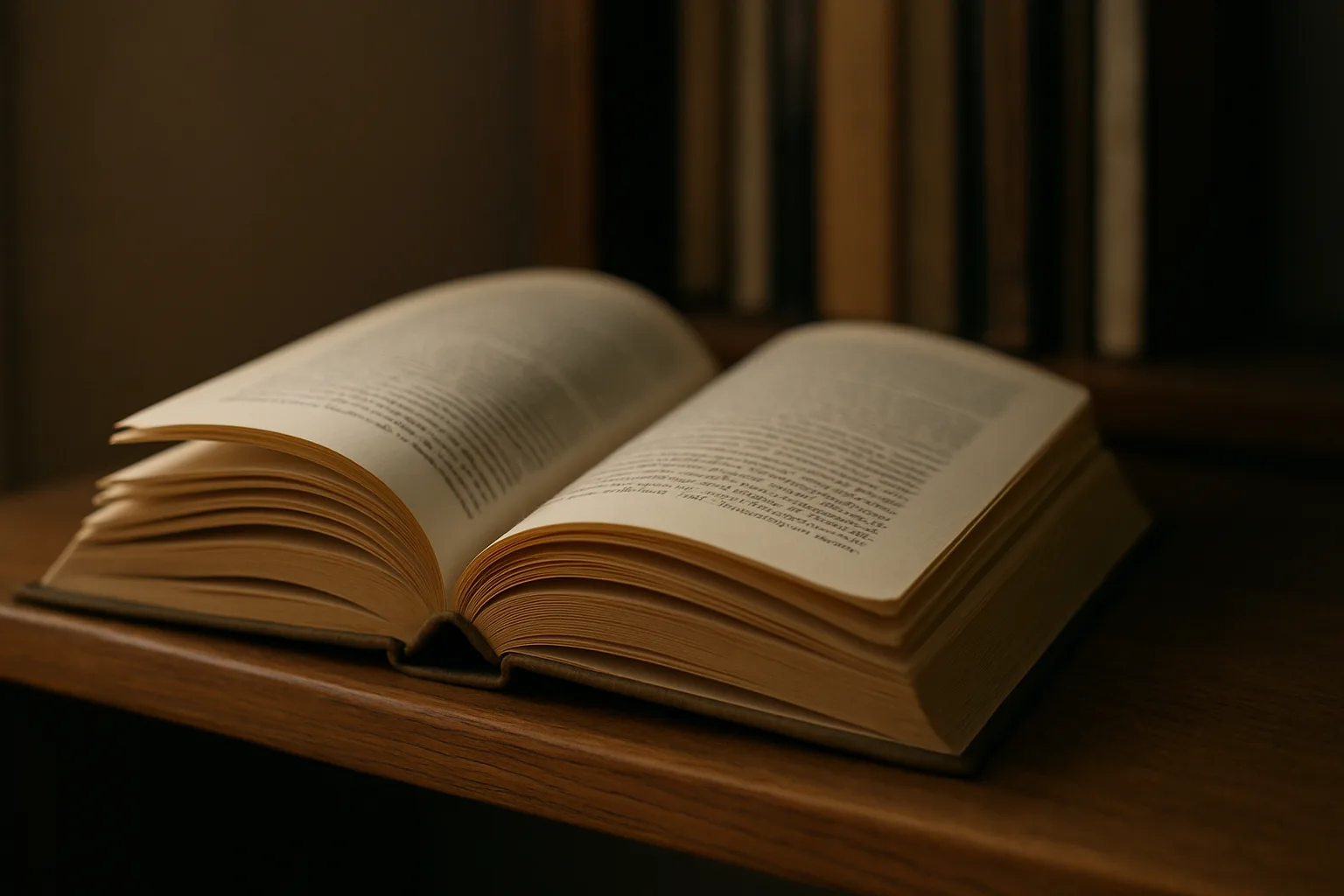
A paperback left on a sunny shelf can change color long before its story feels old. That yellowing is usually caused by chemical changes in the paper, especially in compounds left over from the wood used to make it. Light, oxygen, heat, and moisture can all help those changes along.
The color is not simply dust settling on the page, and it does not happen at the same rate in every book. The kind of paper, how it was made, and where the book is kept all matter. Yellowing can even offer a clue to a book’s materials and storage history, though color alone cannot tell the whole story.
The wood inside the paper
Most paper is made primarily from cellulose, the substance that forms the strong fibers in plant cell walls. Wood also contains lignin, a natural material that helps hold those cells together. To turn wood into paper, manufacturers separate and process its fibers. How much lignin remains depends in part on the pulping method.
Mechanical pulping grinds wood into fibers and tends to leave more lignin in the pulp. This method can make a lot of paper from a given amount of wood, which suits inexpensive products such as newsprint and some low-cost book papers. Chemical pulping removes more of the lignin, though it does not necessarily eliminate every trace of it.
Lignin is especially important to yellowing because its chemical structure changes as it reacts with light and oxygen. Those reactions can create or alter compounds that absorb some wavelengths of light and reflect others. The paper then appears yellow or brown to our eyes. The process is often described as oxidation, but it is a network of chemical changes rather than one simple reaction.
Paper without much lignin can still discolor. Cellulose and other components can also change as paper ages, particularly under damaging conditions. But lignin-rich paper is generally more prone to noticeable yellowing, which is one reason inexpensive paperbacks may change color sooner than books printed on higher-quality paper.
Why some parts yellow faster
A book is not exposed evenly. Page edges and the outer surfaces of a closed book may receive more light and air than pages near the center. Sunlight and strong indoor lighting can speed chemical changes, so a volume left in a bright window is more likely to develop uneven color than one kept in a dark bookcase.
Oxygen is part of the story, too. Heat and moisture can make some aging reactions happen faster, while damp conditions can introduce other problems, including mold. A hot attic, a humid basement, or a shelf beside a radiator can therefore be less kind to a book than a cool, dry place with relatively stable conditions.
The paper’s original composition also matters. Two paperbacks of the same age can look very different because they were made from different pulps, stored in different places, or exposed to different amounts of light. Yellowing is not a reliable clock: a yellow book is not necessarily older than a pale one.
Yellow pages and brittle pages are related—but not identical
Yellowing often appears alongside another familiar sign of aging: pages that feel dry or break easily. These changes can share causes, but they are not the same thing. Acids in paper can help break down cellulose fibers over time, weakening the sheet. Lignin-related reactions can contribute to discoloration, while heat, humidity, and poor storage may worsen damage in several ways.
A page can be yellow without falling apart, and a sheet can become fragile without being deeply yellow. Color tells you something has changed, but it does not measure a book’s strength. If a page tears easily or crumbles at the edge, it needs especially careful handling, whatever its shade.
Paper made to resist this kind of deterioration is often described as acid-free or alkaline-buffered. Such paper is manufactured to reduce harmful acidity, and buffered paper includes an alkaline reserve to help counter acids that may develop or enter the sheet. These properties can improve long-term stability, but they are not a promise that paper will stay perfectly white forever. Light, pollution, and storage conditions still count.
Why yellow paper became familiar in books
Not every book was printed on bright white paper. Paper color reflects both manufacturing choices and what the book was meant to cost. Less-processed, lignin-rich paper can be economical and practical for publications intended to be widely available, even if it changes color more quickly. Many readers recognize the warm, yellowed look of old paperbacks and newspapers because these formats often used paper chosen with cost and everyday use in mind.
That does not mean every paperback uses the same paper, or that all paperbacks are destined to turn yellow. A book’s appearance depends on its particular materials and life after printing. Some older volumes remain relatively pale; some newer ones discolor quickly after prolonged exposure to sun or heat.
How to slow the change
You cannot reverse yellowing simply by moving a book to a better shelf, but you can reduce further damage. Store books away from direct sunlight and sources of heat. Aim for a cool, dry place with stable conditions rather than somewhere that swings between hot and damp. Avoid tightly wrapping a book in plastic if moisture could become trapped inside.
Handle fragile pages gently and support the book rather than forcing it flat. Avoid household remedies such as bleach, which can damage paper and make a book harder to preserve. For a valuable or badly deteriorated volume, a professional book conservator can advise on safe treatment.
For an ordinary paperback, some yellowing is mostly cosmetic: the story remains readable even as the paper takes on a warmer tone. But the color is also a small record of the material’s journey—from wood pulp to printed page, and through years of light, air, and storage. The best way to keep that journey gentle is simple: give books a stable, shaded place to live.
You might also like
Why Do Thermal Paper Receipts Fade Over Time?
A thermal receipt relies on a heat-sensitive image rather than ordinary ink. Heat, light, contact and storage conditions can alter its readability over time.

Why Do Mirrors Reverse Left and Right but Not Up and Down?
A mirror does not actually swap left and right. It reverses the direction pointing into the glass—and the way we compare ourselves with the reflection creates the illusion.
Why Does a Retractable Pen Click When You Press It?
A retractable pen’s click comes from a small locking mechanism inside its barrel. Here’s how the button, cam and spring work together to extend and retract the tip.