Why Do Light Bulbs Come in Different Base Sizes?
By WowPebble Editorial
Bulb bases are made in different sizes and shapes so lamps fit their fixtures safely. Here’s what the codes mean—and how to find the right replacement.
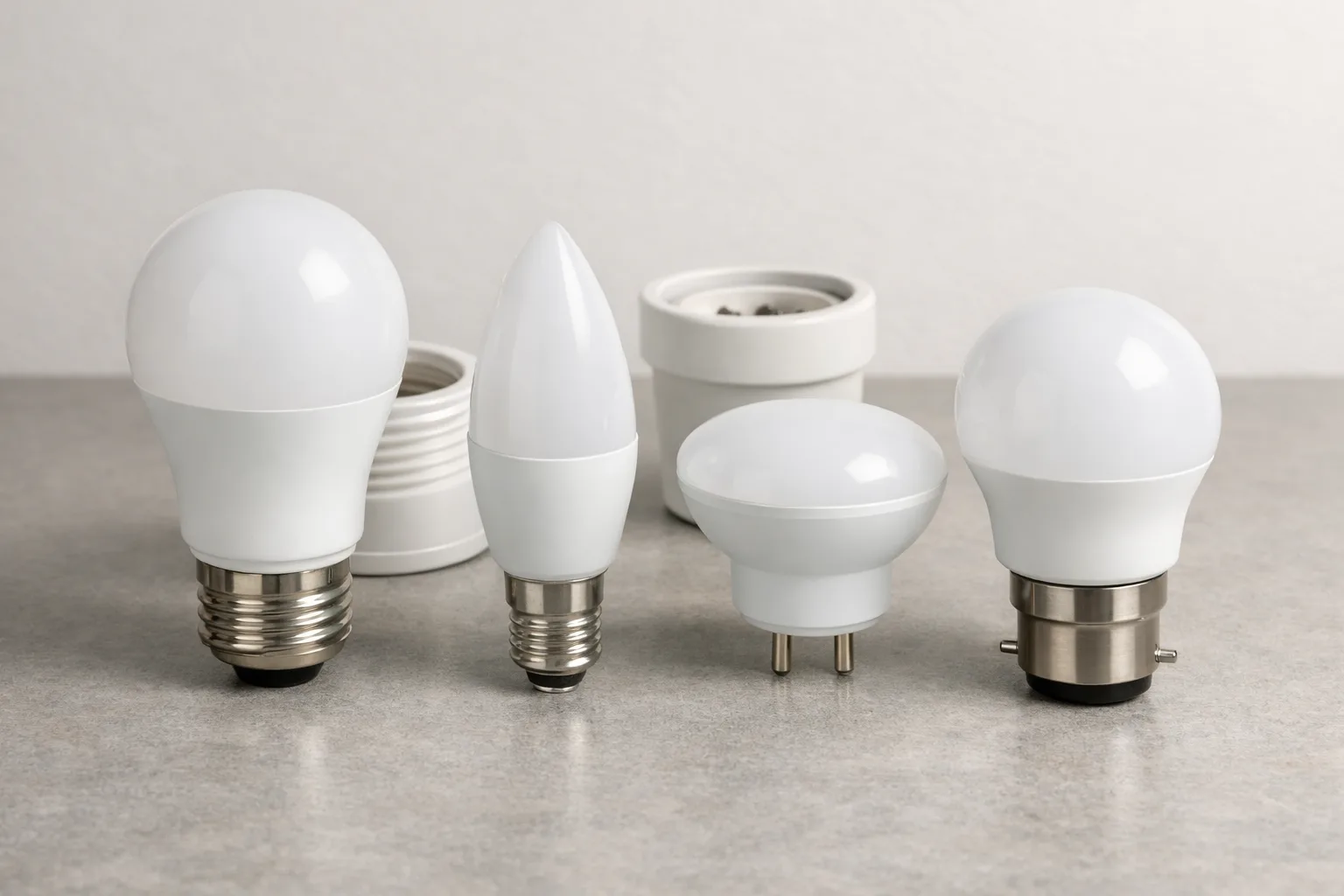
A light bulb’s base may seem like a small detail, but it determines whether the bulb fits, makes a reliable electrical connection, and stays secure in its fixture. That is why bulbs come with different base sizes and shapes: homes and lighting equipment use many kinds of sockets, designed for different spaces, voltages, and purposes.
The base is not a measure of how bright a bulb is. Instead, its shape and code tell you what kind of socket it is designed to fit. Once you know how to read those clues, choosing a replacement becomes much less of a guessing game.
What a bulb base actually does
The base, sometimes called a cap, connects the bulb to its socket. It has two basic jobs: hold the bulb in place and conduct electricity to it. A poor fit can prevent a bulb from working, make the connection unreliable, or leave it insecure in the fixture.
Different fixtures call for different connections. A table lamp may use a screw-in bulb, while a compact spotlight might use two short pins that twist into a locking socket. A small appliance may need a particularly compact base, and an older fixture may use a base that is uncommon in newer homes.
The bulb’s base is separate from the part that produces light. Two bulbs with different bases might both be LEDs, while two bulbs with the same base might differ in shape, brightness, color, or technology.
Screw bases: E26, E27, and the smaller sizes
The familiar screw-in base is often identified with an “E,” which refers to the Edison screw-base family. The number that follows usually indicates the base’s approximate diameter in millimeters. For example, an E26 base is about 26 millimeters across, while an E27 is about 27 millimeters across.
E26 is common in the United States and Canada, and E27 is widely used in many other regions. They look very similar, but they are not exactly the same specification. Whether a particular bulb and socket can be used together depends on their design and electrical ratings, so it is best to follow the fixture and bulb labels rather than assume every similar-looking screw base is interchangeable.
The Philips Hue base guide identifies these as regional base families. A matching-looking thread does not settle the electrical question. Check the bulb's marked voltage, the fixture's permitted type and actual wattage, and any enclosure or dimmer restrictions; do not import a bulb between regions by base diameter alone.
Smaller screw bases are useful when the fixture cannot accommodate a standard-size bulb. An E12, often called a candelabra base in North America, appears in many decorative lamps and chandeliers. E14 is a small screw base used in a number of other markets and fixtures. Still smaller bases, such as E11, also serve compact or specialized lighting.
The general pattern is simple: the letter identifies a base family, and the number gives a size clue. But a code is more useful than appearance alone. Bulbs that look close in size can have differences that matter when they meet a socket.
Use the manufacturer’s cap-code guide alongside the actual fixture label. The code describes the connection; it does not certify a particular bulb's voltage, driver, enclosure or dimmer suitability.
Not every base screws in
Screw bases are only one design. Bayonet bases have pins on the sides that enter slots in the socket; the bulb is then pushed and turned to lock into place. B22 is a common bayonet size in some countries. The locking action helps hold the bulb in place, which can be useful in fixtures where a screw-in connection is not used.
Some bulbs have two pins instead of a threaded base. Their codes describe the pin arrangement or spacing. For instance, GU10 bulbs use two short pins that lock into a compatible socket with a twist. GU5.3 bulbs have two pins spaced about 5.3 millimeters apart. These designs are common in certain spotlights and low-voltage lighting systems, though the exact requirements depend on the fixture.
The Philips Hue spotlight comparison shows why appearance is insufficient: GU10 and GU5.3 examples use different connections and power arrangements. This is a reason to match the fixture's specifications, not instructions to bypass a transformer or change a socket.
There are also less familiar bases for vehicle lights, fluorescent lamps, appliances, and specialist equipment. The variety is a reminder that a bulb base is a piece of connection hardware, not just a universal plug.
Why did so many sizes develop?
Lighting did not grow around a single socket design used everywhere. Different fixtures and applications created different practical needs. A large, general-purpose socket is convenient for many household lamps, but it can be too bulky for a small decorative fixture. A spotlight may need a compact connection that keeps the bulb aligned. A bulb in a fixture that gets moved or vibrated may benefit from a design that locks into place.
Electrical standards also vary between countries and applications. Voltage, socket design, and product standards have developed in different ways across markets. As a result, base types that are common in one place may be unfamiliar in another. The evolution of lighting technology added more options, too: newer lamps have had to fit existing fixtures while also serving specialized designs.
There is no single base size that would be ideal for every job. A very small base saves space but may not suit a large bulb or fixture. A screw connection is convenient in many household settings, while pins or locking bases work better with some compact or directional lights. Different bases let manufacturers match the connection to the fixture’s size and purpose.
How to find the right replacement
Start by checking the label on the old bulb or the instructions for the fixture. The base code is often printed on the bulb packaging, and it may appear on the bulb itself. If the code is hard to read, compare the old bulb’s base with the socket and take the bulb with you when shopping. A clear photo of the base and any fixture markings can also help.
Then check more than the base. A replacement must be suitable for the fixture’s voltage and maximum wattage. For an LED bulb, the wattage is usually far lower than that of an old incandescent bulb, but the fixture’s maximum rating still matters. Check whether the bulb is compatible with a dimmer, and whether it is rated for an enclosed fixture if it will be used inside one. Some fixtures also require a particular bulb shape or size even when the base fits.
Never force a bulb into a socket. If it does not fit easily, the base may be the wrong type, or the bulb and fixture may use incompatible designs. Turn off the power before changing a bulb, and let a hot bulb cool before handling it.
A small part with a big job
Different bulb bases exist because lighting has to work in a wide range of fixtures, from compact spotlights to ordinary household lamps. Their shapes and sizes help bulbs fit securely and connect to the right sockets. Once you treat the base code as a compatibility clue—not a measure of brightness—you can shop more confidently and avoid the common mistake of choosing a bulb by appearance alone.
You might also like

Why Do Mirrors Reverse Left and Right but Not Up and Down?
A mirror does not actually swap left and right. It reverses the direction pointing into the glass—and the way we compare ourselves with the reflection creates the illusion.
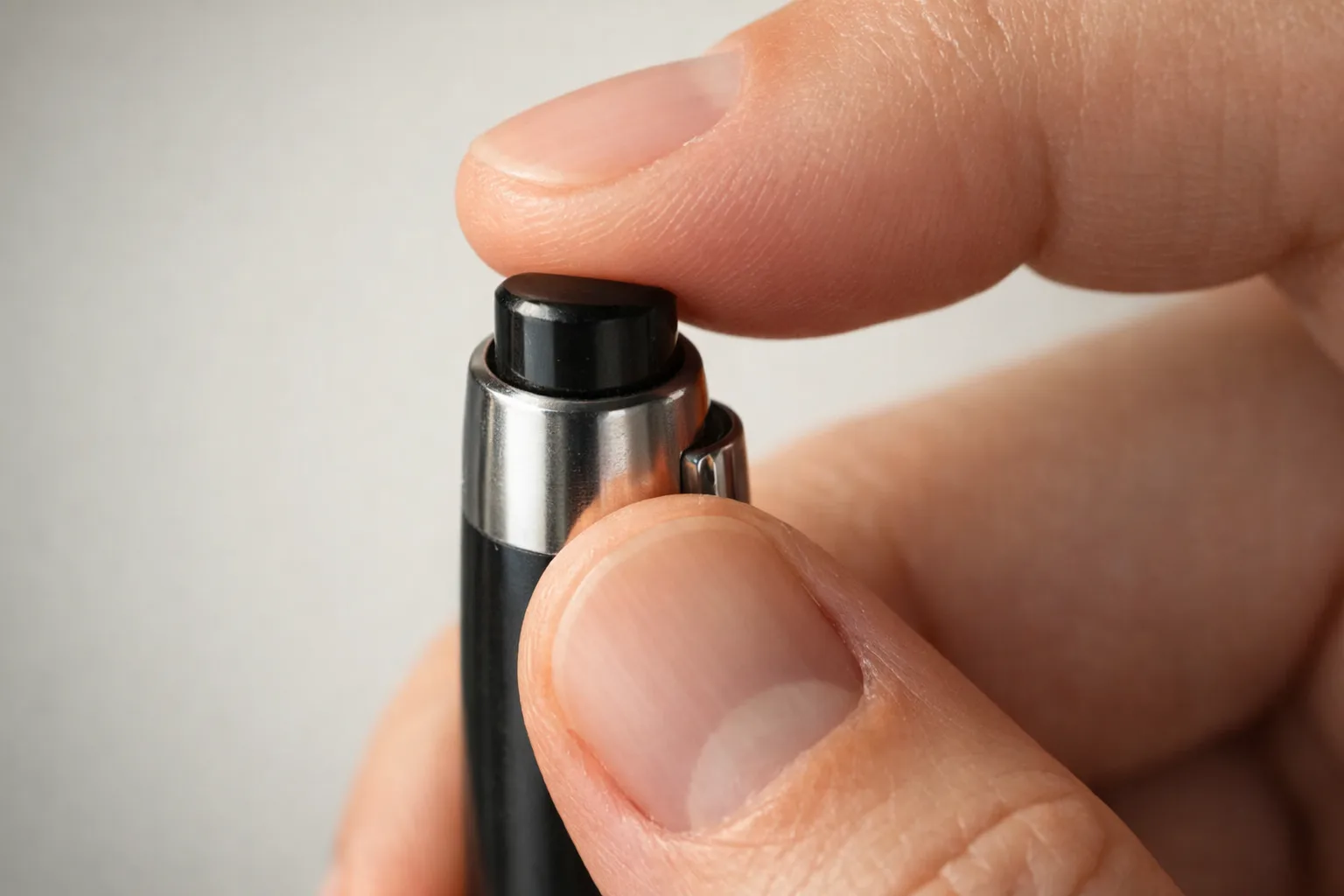
Why Does a Retractable Pen Click When You Press It?
A retractable pen’s click comes from a small locking mechanism inside its barrel. Here’s how the button, cam and spring work together to extend and retract the tip.
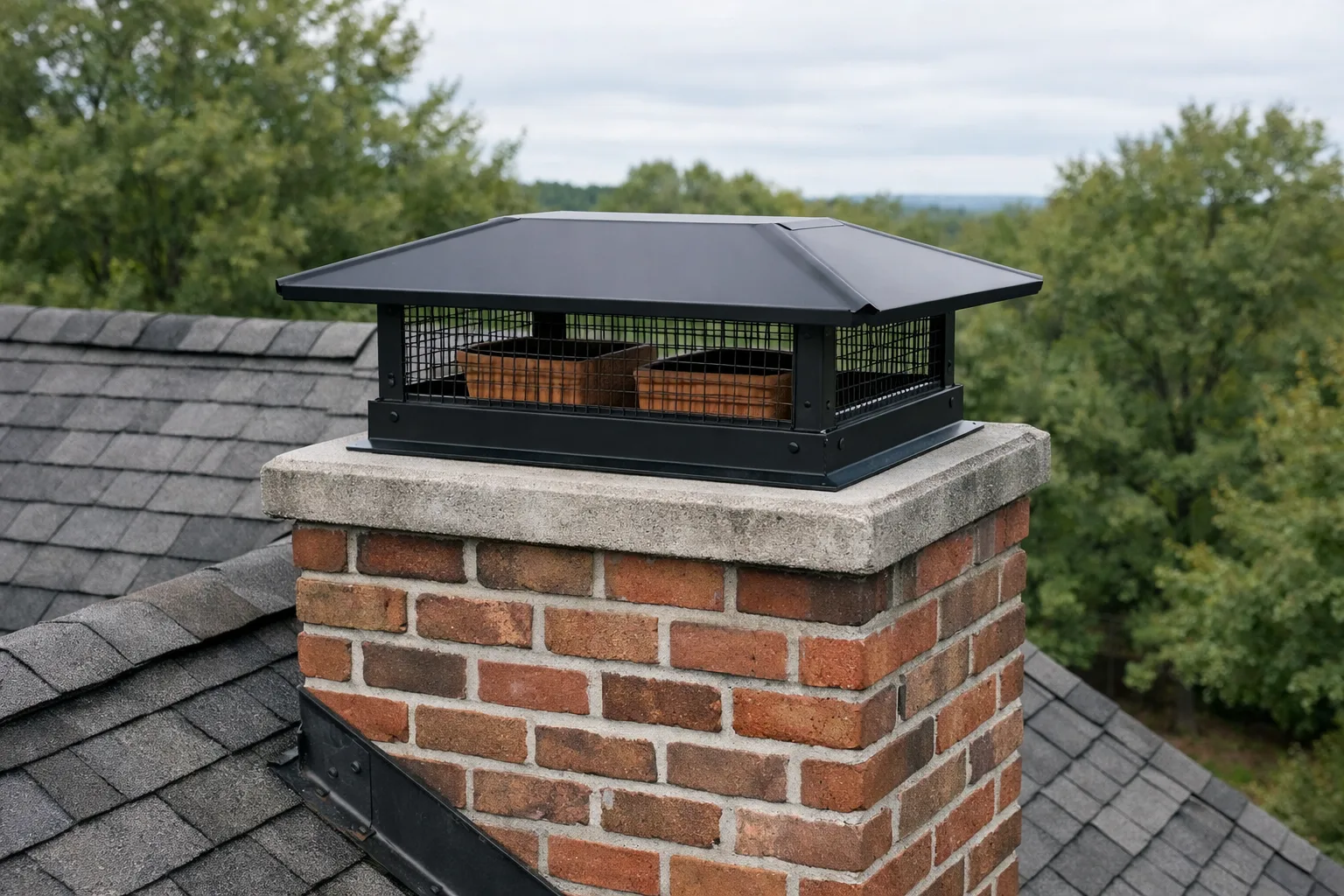
Why Do Chimneys Have Caps? The Practical Reasons Explained
Chimney caps keep out rain, animals and debris, and some help contain sparks or reduce wind-driven downdrafts. Here’s how they work—and what they don’t do.