Why Do Chimneys Have Caps? The Practical Reasons Explained
By WowPebble Editorial
Chimney caps keep out rain, animals and debris, and some help contain sparks or reduce wind-driven downdrafts. Here’s how they work—and what they don’t do.
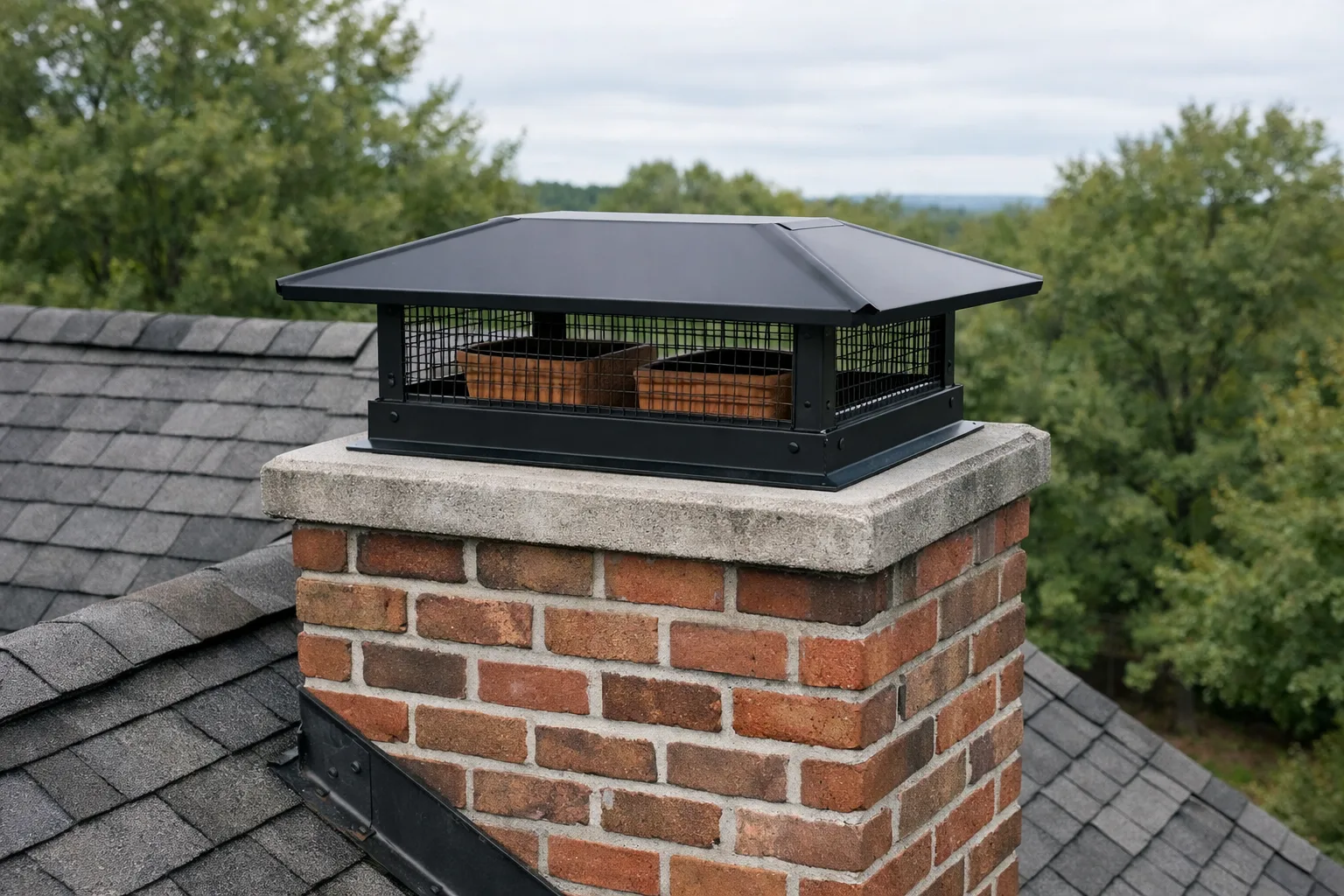
Chimneys have caps to keep rain, animals and debris out while allowing smoke and gases to escape. A typical cap sits over the flue opening like a small roof, with open sides or mesh so air can still flow. Some designs also help contain sparks or lessen wind-driven downdrafts.
How a cap works
A cap covers the top of the flue without sealing it shut. Smoke from a fireplace or appliance rises through the flue and leaves through the gap beneath the cap. Rain is deflected away from the opening, while a mesh screen can help stop birds, squirrels and larger debris from getting inside.
This protection matters because water and nesting materials can contribute to damage or block the passage through which smoke exits. A cap is not, however, a substitute for a sound chimney or regular inspection: it cannot prevent every kind of water entry or blockage.
Different caps offer different protection
Many caps are simple covers with mesh sides. Others are designed to suit a particular flue, fuel or chimney setup. A spark-arresting screen can help keep hot embers from escaping, while some cap designs are intended to reduce downdrafts caused by wind blowing across the chimney top. How well a cap affects draft depends on its design and the conditions around the chimney; no cap can guarantee that wind will never push smoke back down.
The cap must suit the flue and leave enough room for exhaust to escape. A poorly matched, damaged or blocked cap can interfere with airflow rather than help it. Chimneys also vary: a masonry chimney, a metal chimney and a chimney with multiple flues may need different cap arrangements.
A cap is not the same as a chimney crown
On a masonry chimney, the crown is the sloped surface at the top of the brickwork, built around the flue. It helps shed water away from the masonry. The cap is fitted over the flue opening itself. Both can help protect the chimney, but they cover different parts and do different jobs.
Caps need to stay clear
A cap only works as intended if its opening and screen remain unobstructed. Soot and creosote from wood burning can accumulate on mesh, and leaves or other debris can also restrict airflow. A clogged screen may contribute to poor draft or smoke entering the room. If a chimney is used regularly, its cap should be checked as part of chimney maintenance; cleaning and inspection should account for the type of chimney and fuel.
In short, a chimney cap is a protective cover, not a plug. It helps keep unwanted things out while leaving a path for exhaust to get out—a simple design that can protect the chimney without stopping it from working.
You might also like

Why Do Mirrors Reverse Left and Right but Not Up and Down?
A mirror does not actually swap left and right. It reverses the direction pointing into the glass—and the way we compare ourselves with the reflection creates the illusion.
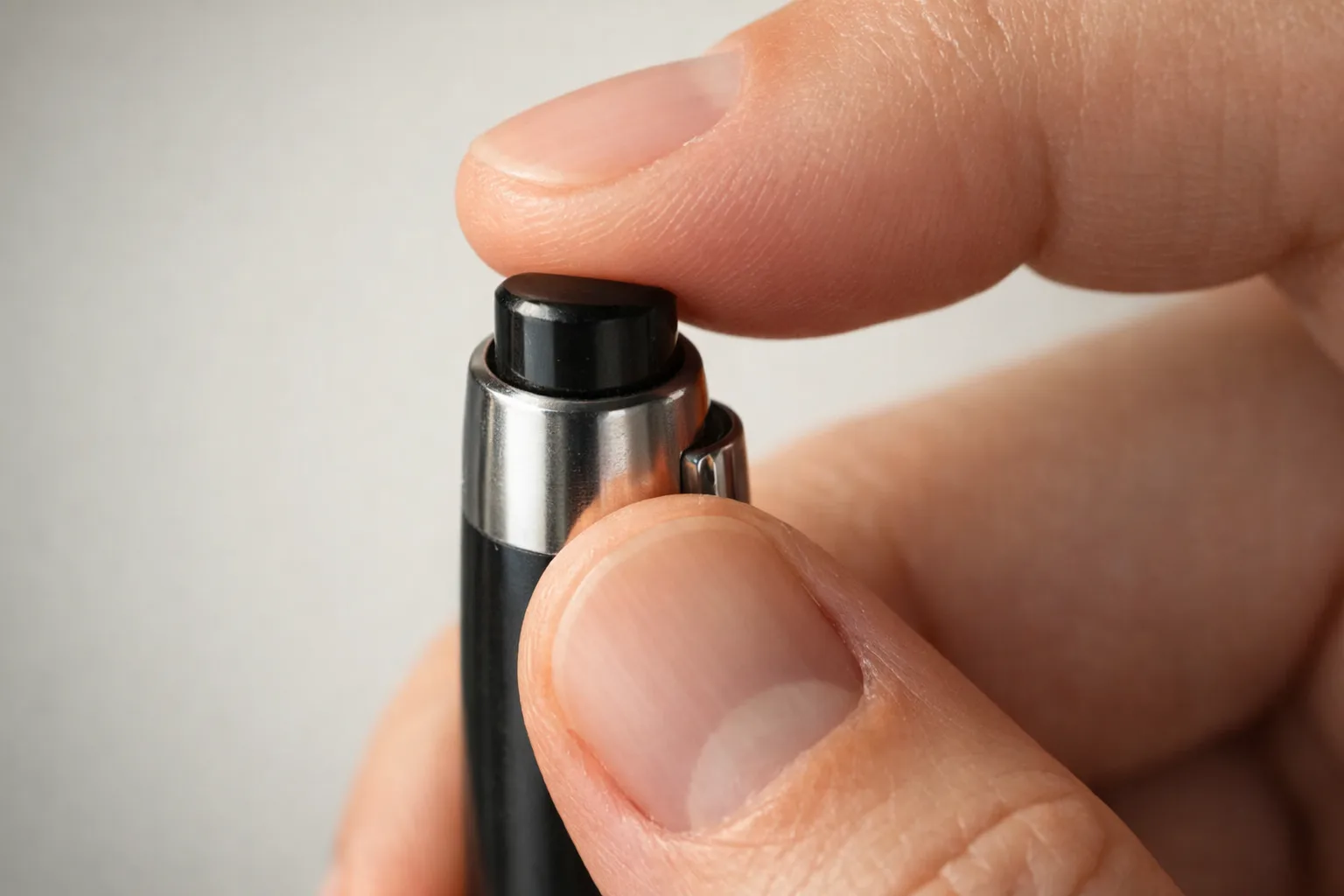
Why Does a Retractable Pen Click When You Press It?
A retractable pen’s click comes from a small locking mechanism inside its barrel. Here’s how the button, cam and spring work together to extend and retract the tip.
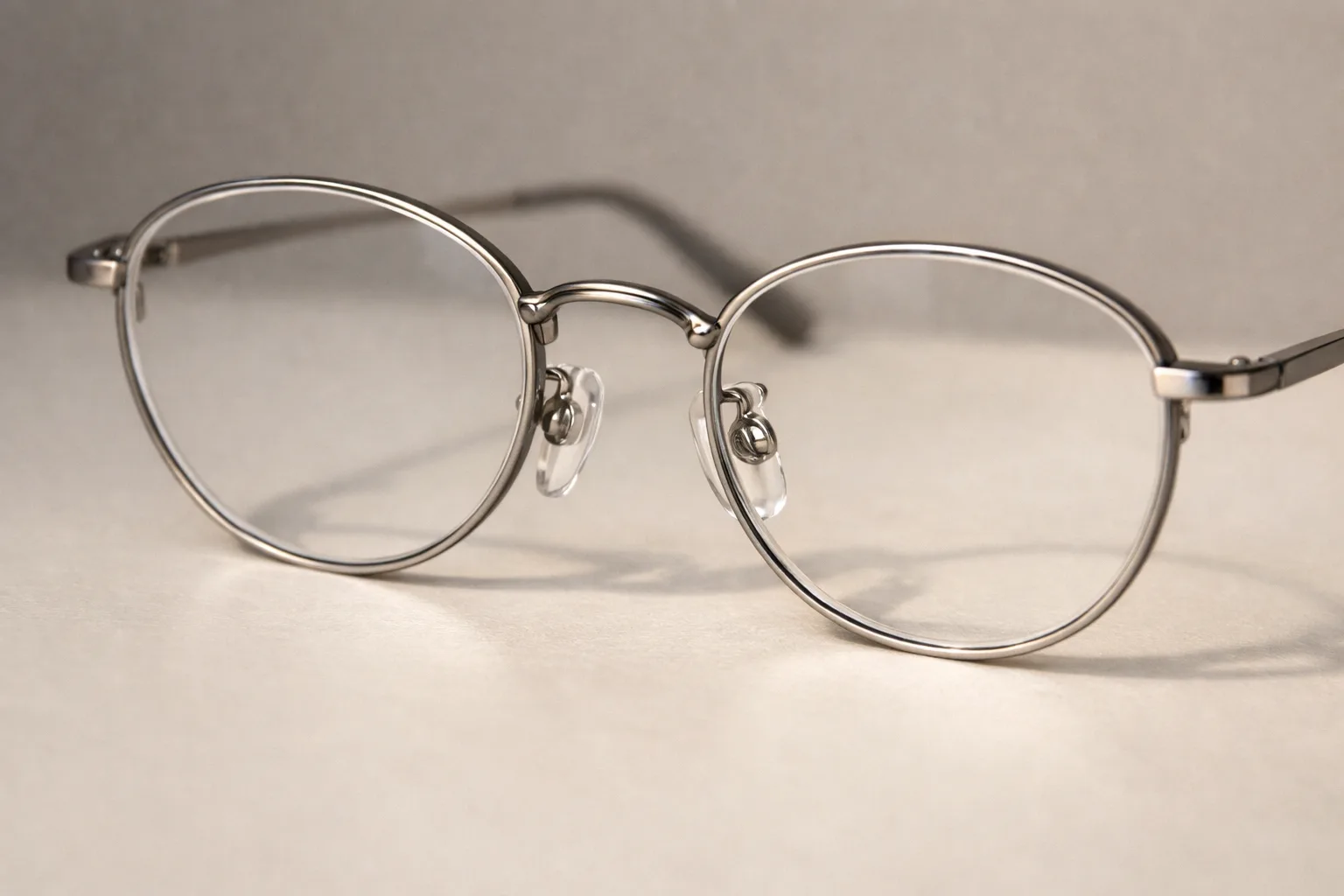
Why Do Eyeglasses Have Nose Pads?
Nose pads help glasses sit securely and comfortably by supporting the frame on the nose. Their position can also be adjusted to improve fit and lens alignment.