Why Do Hardcover Books Have Dust Jackets?
By WowPebble Editorial
A dust jacket is more than decoration: it helps protect a hardcover and gives publishers space to show the book’s title, artwork and details.
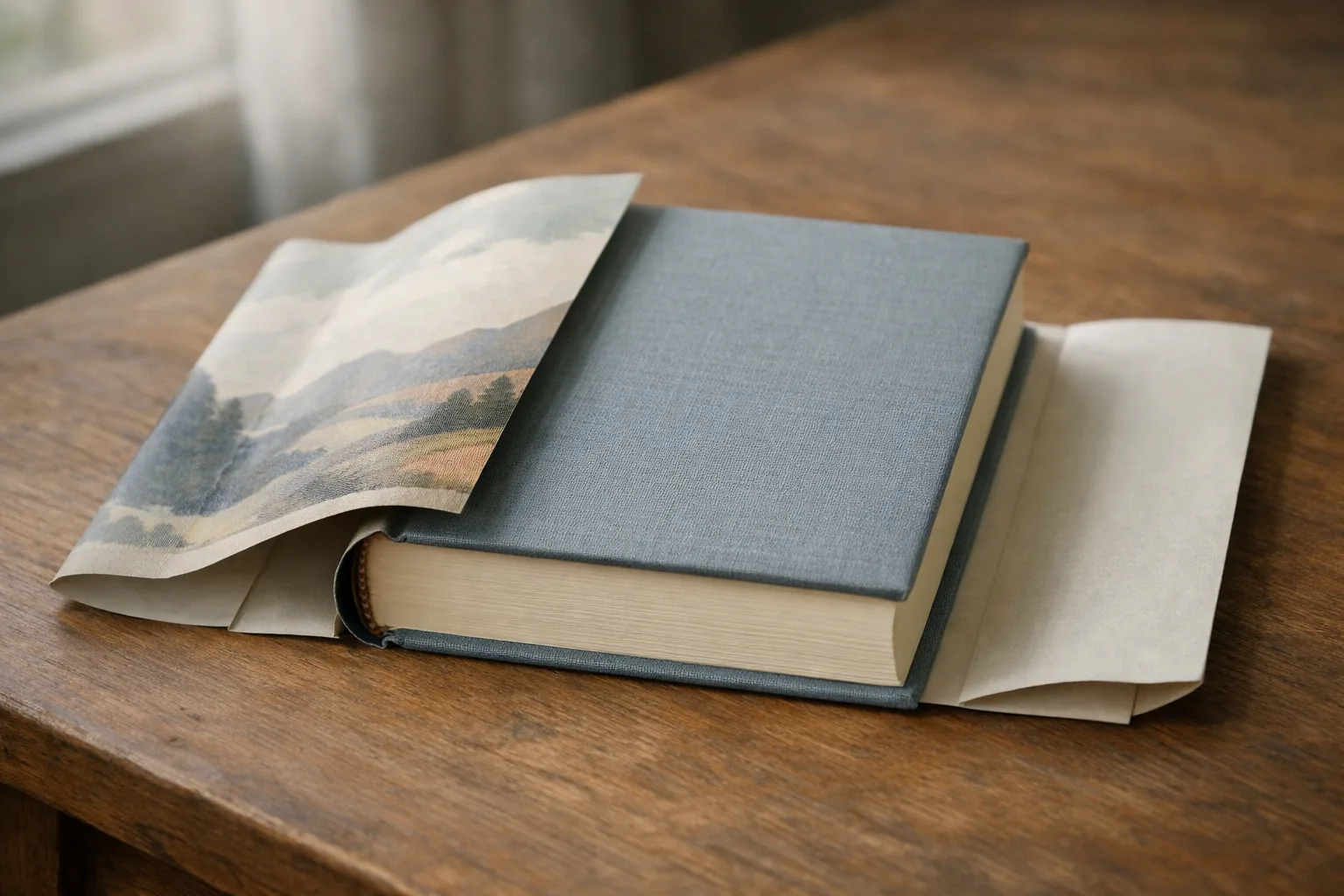
Hardcover books come with dust jackets because the removable paper cover does two jobs: it helps protect the book’s binding from everyday wear, and it gives publishers a place to display artwork and information that can help sell the book. Its name sounds purely practical, but today the jacket is also an important part of a book’s design.
A protective wrapper that became a showcase
Dust jackets developed from paper wrappers used to protect books. Over time, publishers also used them to promote the books inside. A jacket can carry the title, author’s name and cover illustration, along with a short description, review excerpts or other information.
The jacket’s flaps—the folded sections that tuck inside the front and back covers—often hold that extra text. Because the jacket is removable, publishers can print and change its design without altering the book’s more durable binding.
What does a dust jacket protect?
A jacket can take the brunt of handling, helping shield the hard covers from scuffs, dirt and some fading. It is not a guarantee against damage: paper jackets can crease, tear or wear through, and they offer only limited protection from moisture. The hardcover binding remains the book’s sturdy structure; the jacket is a replaceable outer layer.
Why not just print everything on the cover?
The cloth or paper covering of a hardcover is often simpler than its jacket. The jacket gives the book a larger, flexible surface for colorful artwork and promotional details, while the binding can remain comparatively plain. Some hardcovers also have attractive designs beneath the jacket, so taking it off may reveal a different look.
Not every hardcover has a dust jacket. Some are designed with a printed or decorative cover instead, and some editions are sold without a jacket. But when one is included, it combines a practical layer of protection with a convenient, visible introduction to the book.
You might also like

Why Do Mirrors Reverse Left and Right but Not Up and Down?
A mirror does not actually swap left and right. It reverses the direction pointing into the glass—and the way we compare ourselves with the reflection creates the illusion.
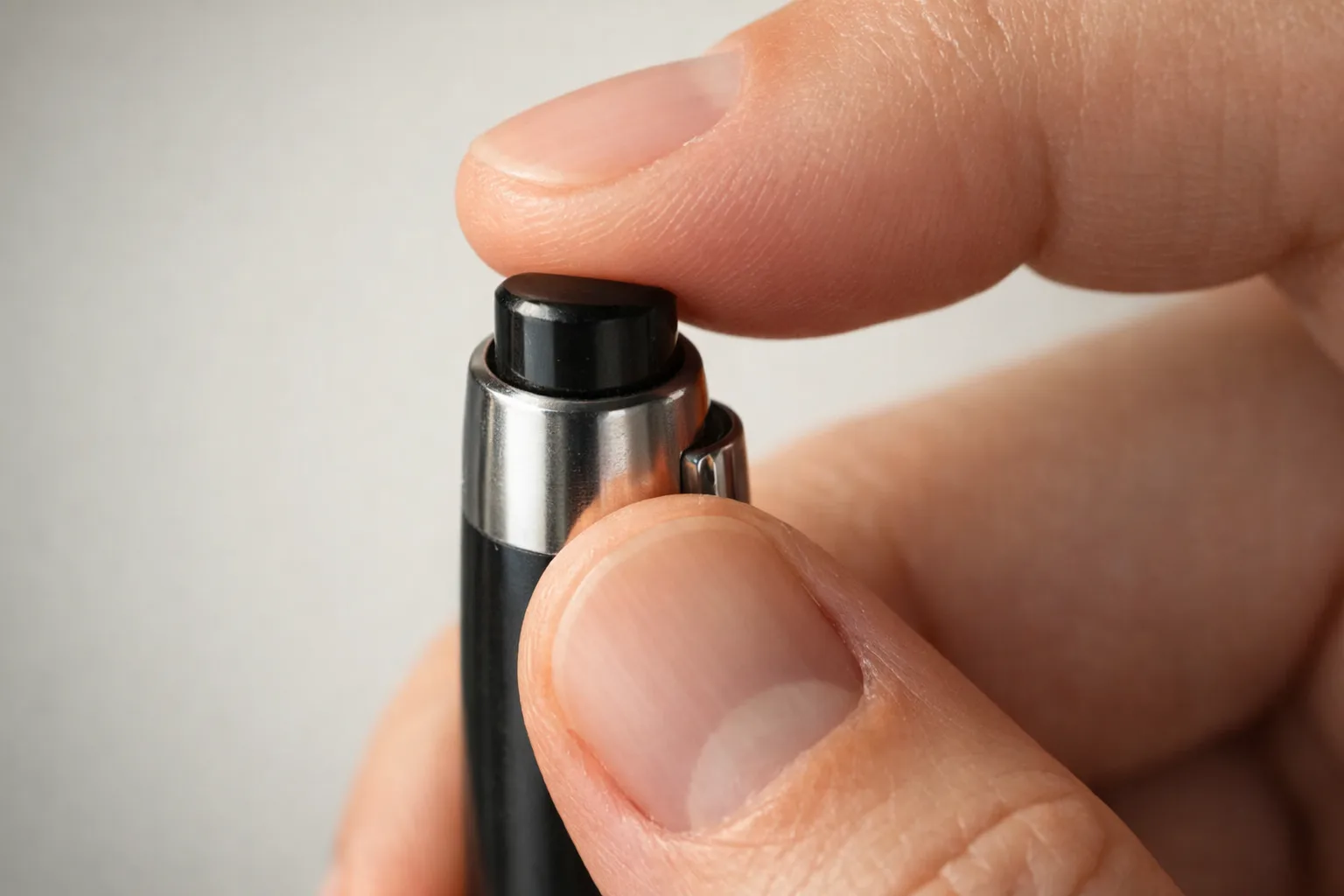
Why Does a Retractable Pen Click When You Press It?
A retractable pen’s click comes from a small locking mechanism inside its barrel. Here’s how the button, cam and spring work together to extend and retract the tip.
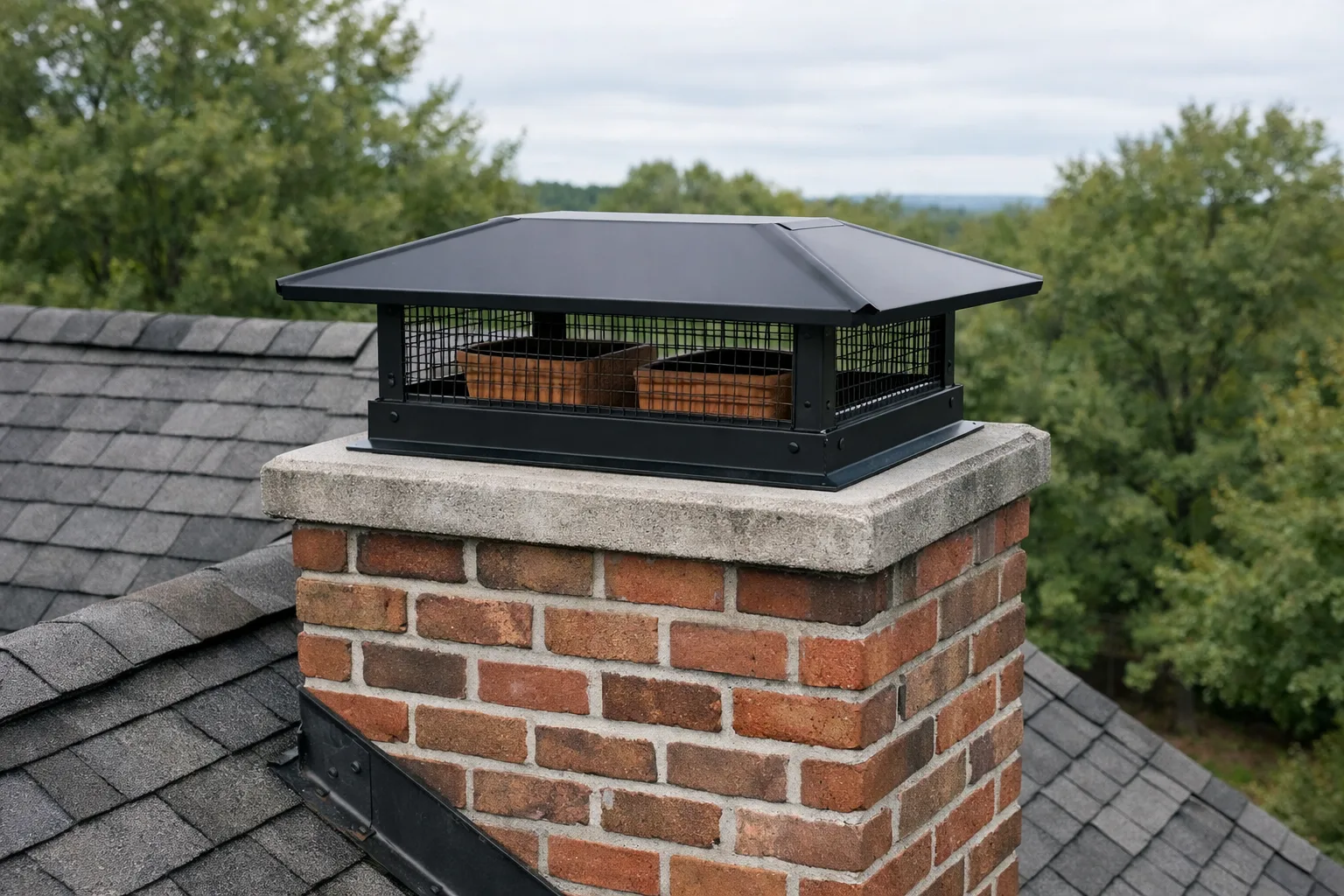
Why Do Chimneys Have Caps? The Practical Reasons Explained
Chimney caps keep out rain, animals and debris, and some help contain sparks or reduce wind-driven downdrafts. Here’s how they work—and what they don’t do.