Why Do Eyeglasses Have Nose Pads?
By WowPebble Editorial
Nose pads help glasses sit securely and comfortably by supporting the frame on the nose. Their position can also be adjusted to improve fit and lens alignment.
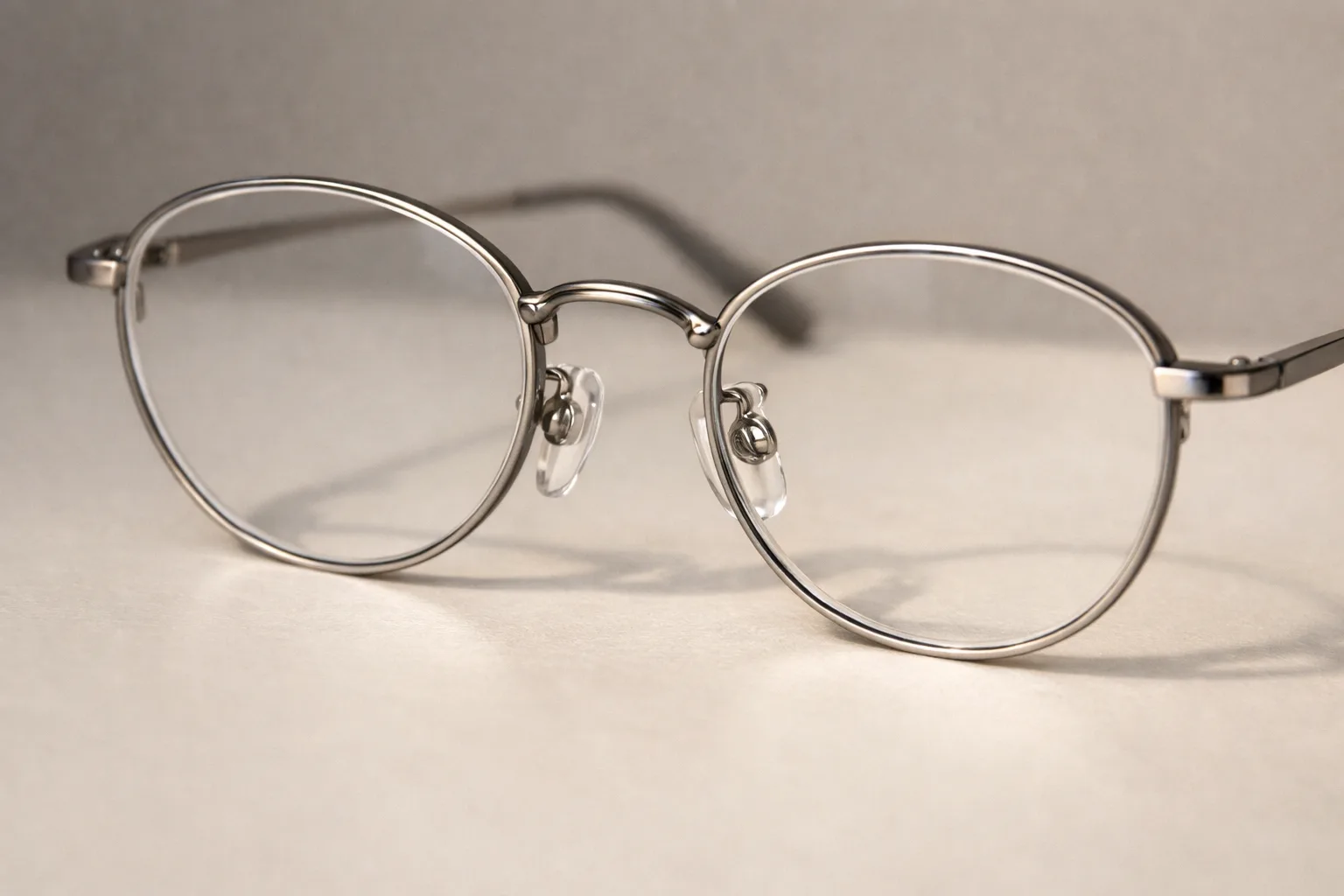
Eyeglasses have nose pads to support the frame on your nose, help keep it in place and make it easier to adjust the fit. They’re especially useful on frames whose bridge—the part that crosses the nose—doesn’t rest comfortably or securely on its own.
How nose pads help glasses fit
A pair of glasses rests on both the nose and the ears. Nose pads provide two contact points on the nose, helping support the frame’s weight and keeping it from sliding down. When they’re positioned properly, the pads can make that support feel more comfortable by fitting the shape of the wearer’s nose rather than pressing the frame’s bridge against one spot.
Many nose pads sit on small arms attached to the frame. An optician can adjust those arms to move the pads closer together or farther apart, or change their angle. That lets the frame sit higher or lower and helps it rest evenly. A good fit should feel stable without pinching or concentrating uncomfortable pressure on the nose.
The frame’s position matters for more than comfort. It helps keep the lenses where they’re intended to sit in front of your eyes. If glasses repeatedly slip or sit unevenly, the lenses may no longer line up as intended when you look through them. Pads can help maintain a consistent position, though they’re only one part of the fit: the frame’s shape and how it rests on the ears matter too.
Why some glasses don’t have separate pads
Nose pads are common on metal frames, but they aren’t necessary on every pair. Many plastic frames have a bridge shaped to rest directly on the nose. Instead of two separate pads, the bridge itself provides the supporting contact. Some plastic frames also have separate pads, so the material alone doesn’t determine whether a pair has them.
The right design depends on how the frame meets the wearer’s nose. A built-in bridge may fit comfortably and stay put, while adjustable pads can be useful when a fixed bridge doesn’t sit securely or evenly. Neither design is automatically better; the important thing is that the frame rests comfortably and stays in position.
When the fit needs attention
Glasses that slide, sit crooked or leave uncomfortable pressure on the nose may need a fit adjustment. An optician can check the pad position and the rest of the frame, and can replace worn pads when needed. Adjusting the pads alone may not solve the problem if the temples or frame shape are also contributing.
In short, nose pads are small supports that help glasses balance on the face. Their adjustability is what makes them especially useful: they can help a frame sit comfortably and keep its lenses in the intended position.
You might also like

Why Do Mirrors Reverse Left and Right but Not Up and Down?
A mirror does not actually swap left and right. It reverses the direction pointing into the glass—and the way we compare ourselves with the reflection creates the illusion.
Why Does a Retractable Pen Click When You Press It?
A retractable pen’s click comes from a small locking mechanism inside its barrel. Here’s how the button, cam and spring work together to extend and retract the tip.
Why Do Chimneys Have Caps? The Practical Reasons Explained
Chimney caps keep out rain, animals and debris, and some help contain sparks or reduce wind-driven downdrafts. Here’s how they work—and what they don’t do.