Why Dust Comes Back So Quickly After You Clean
By WowPebble Editorial
Dust is not simply dirt waiting to be wiped away. It is a constantly renewed mix of indoor and outdoor particles that settles wherever air and activity carry it.
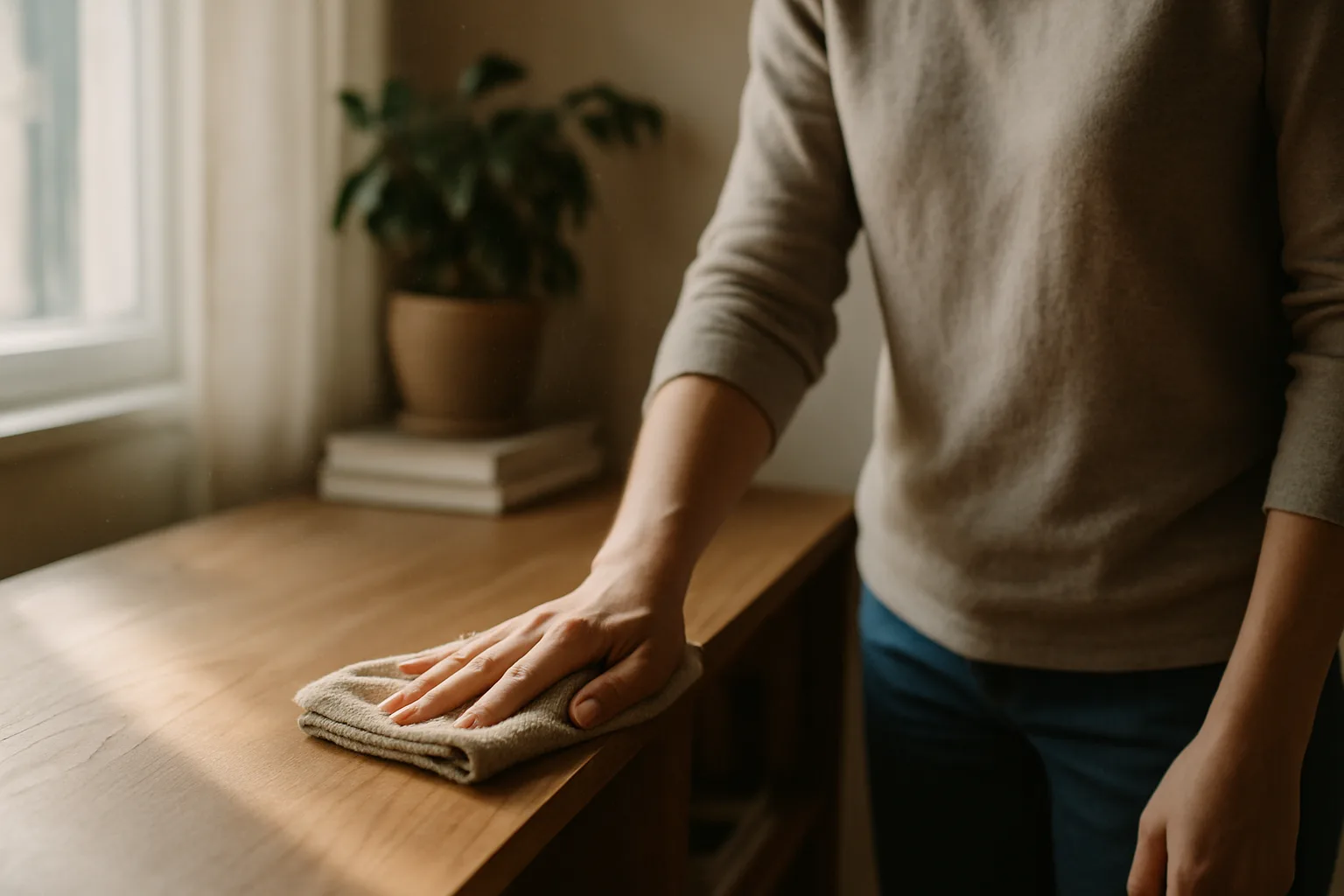
You finish dusting, admire the clean surface, and return a day later to find a fine gray film gathering again. It can feel as if the dust appeared from nowhere, but your home is continually making, admitting, and moving tiny particles. Cleaning removes what has settled; it does not stop the sources or the air currents that bring more.
Household dust is a changing mixture, not one substance. It can include fibers from clothing and furnishings, soil and pollen brought in from outdoors, particles from cooking, and bits of plant or insect matter. Some particles come from people and pets, too. Their proportions vary from home to home and even from room to room.
Where household dust comes from
A surprising amount of what looks like dust begins with ordinary activity. Fabric sheds tiny fibers as clothes are worn, towels are used, and rugs are walked on. Bedding and upholstered furniture release particles as they are disturbed. Pets bring in outdoor material and shed hair and dander. People shed skin cells, but the familiar idea that household dust is mostly dead skin is misleading: dust has many sources, and its makeup depends on the home.
Other particles arrive from outside. Pollen, soil, soot, and fragments of leaves can enter through open doors and windows, on shoes, or through ventilation. Cooking can add fine particles to the air, especially when food is fried or surfaces are scorched. Candles and fireplaces can also produce particles. How much each source contributes depends on the building, its surroundings, and what happens indoors.
Why dust settles so quickly
Dust is always moving through the air, even when a room seems still. Walking, opening a door, moving a blanket, or turning on a fan can lift settled particles and send them drifting again. Heating and cooling systems also circulate air, while air entering through gaps or open windows can carry particles indoors.
Eventually, gravity brings many airborne particles down. They collect on shelves, floors, and other surfaces, though the timing and pattern depend on particle size, air movement, and the shape of the room. Corners, ledges, and areas behind furniture can trap dust because air moves differently there. A smooth, dark tabletop may make a little dust easy to spot, while the same amount on a pale or textured surface can go unnoticed.
That visibility is part of why dust seems to return almost immediately. Low-angle sunlight or a lamp shining across a surface reveals a thin layer that overhead lighting may hide. The dust may have been settling gradually all along; the new light simply makes it easier to see.
Cleaning can move dust before it removes it
A dry feather duster or cloth may pick up some particles, but it can also push others into the air or onto nearby surfaces. Those particles may settle again later, sometimes in a different part of the room. Sweeping can have a similar effect, especially on fine material. Vacuuming without effective filtration may also release some particles back into the room, depending on the machine and its condition.
This does not mean cleaning is pointless. It means the method matters. A slightly damp microfiber cloth tends to hold onto particles rather than scatter them. A vacuum with a well-sealed system and a high-efficiency filter can help capture fine particles, although performance varies by model and maintenance. Emptying or changing filters as directed helps the equipment work as intended.
How to make dusting last longer
Work from the top of the room downward. Dust shelves and furniture before vacuuming or wiping the floor, so anything that falls can be picked up at the end. Use a damp cloth on hard surfaces, and rinse or replace it when it becomes visibly dirty rather than spreading the collected material around.
Vacuum rugs and upholstered furniture regularly, since they can hold particles that are stirred up by everyday movement. If you have a vacuum with an effective filtration system, use it according to the manufacturer's guidance. Wash bedding and washable throws on a regular schedule, and consider a washable mat near entrances to catch some soil before it travels through the home. Taking shoes off indoors may help limit what is carried in, though it will not prevent dust from all the other sources.
Ventilation and filtration can make a difference, too. Keep heating and cooling filters clean and replace them on the schedule recommended for the system and filter. A portable air cleaner with an appropriately sized particle filter can reduce airborne particles in the room where it runs, but it will not remove dust already settled on furniture. When outdoor air is especially dusty or pollen-heavy, keeping windows closed may reduce what enters; at other times, ventilation can help clear indoor pollutants. The best choice depends on local air conditions and the household.
A clean home is not a dust-free home
Dust returning is not proof that you cleaned badly. It is the visible result of a normal exchange between the home and the world around it, plus the steady shedding and movement of materials indoors. The goal is not to create a permanently dust-free room, which ordinary housekeeping cannot do. It is to remove buildup often enough to keep surfaces comfortable and reduce the particles that collect in the places you use.
A few days after cleaning, a fresh film may appear because new particles have arrived and old ones have been stirred back into the air and settled again. Understanding that cycle makes the task less mysterious: use methods that capture dust, work from high surfaces to low ones, and focus on a manageable routine rather than expecting one wipe to last forever.
You might also like
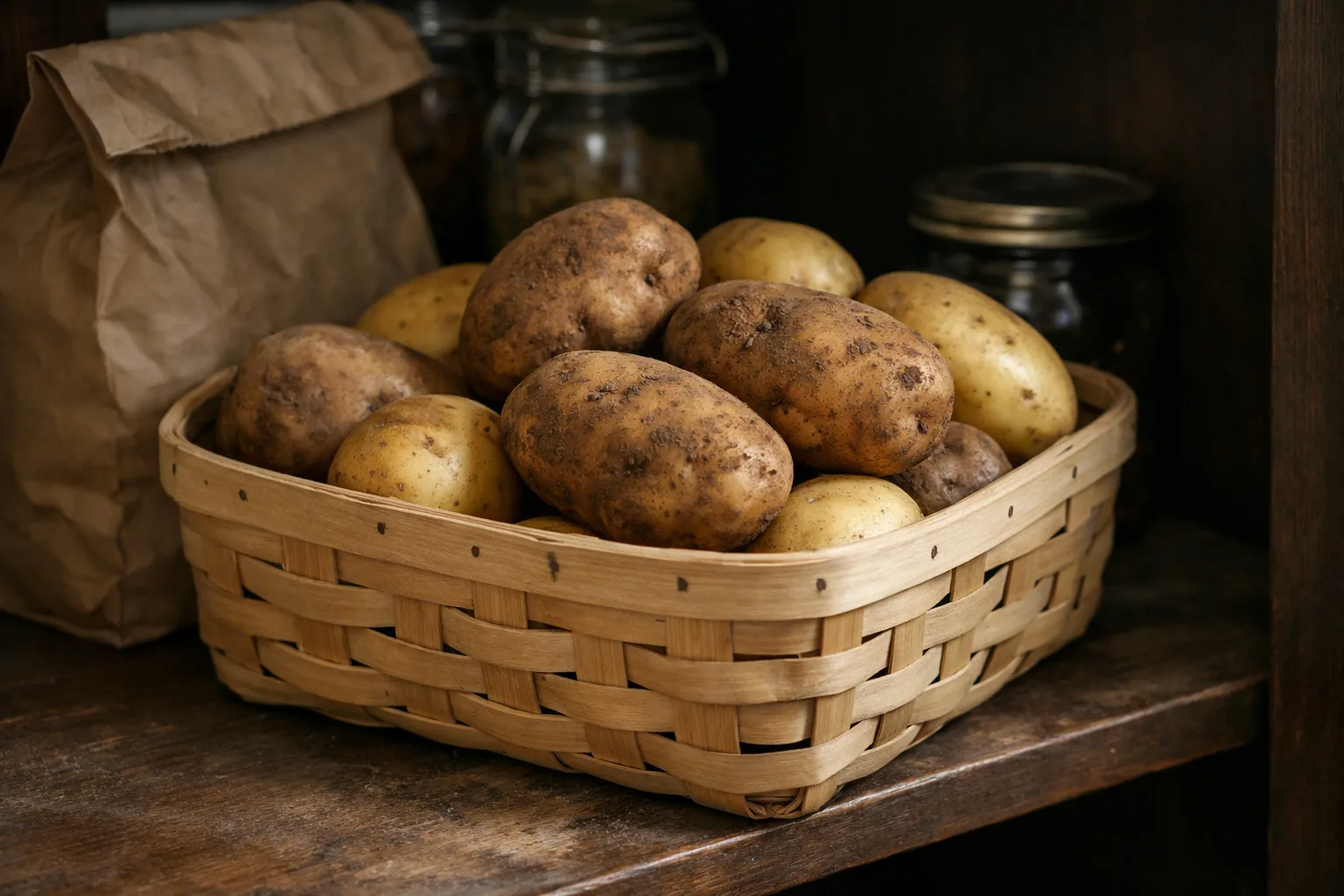
How to Store Potatoes So They Sprout More Slowly
Keep potatoes cool, dark, dry and well ventilated to slow sprouting. Learn which containers work, where to store them and what to avoid.
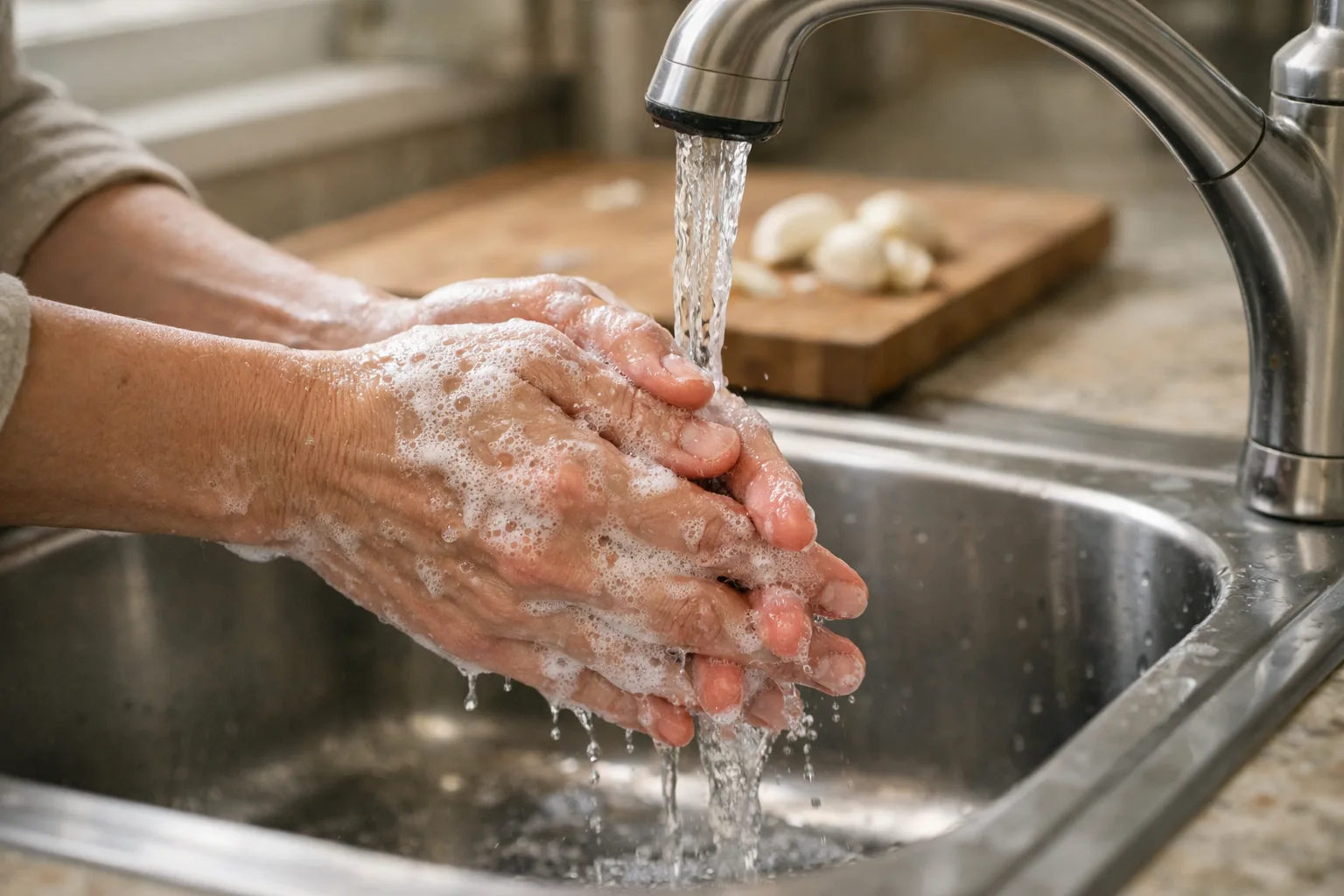
How to Get Garlic Smell Off Your Hands
Garlic smell can linger after chopping, but a thorough wash with soap and water usually helps. Here’s how to clean your hands—and what to try if the odor remains.
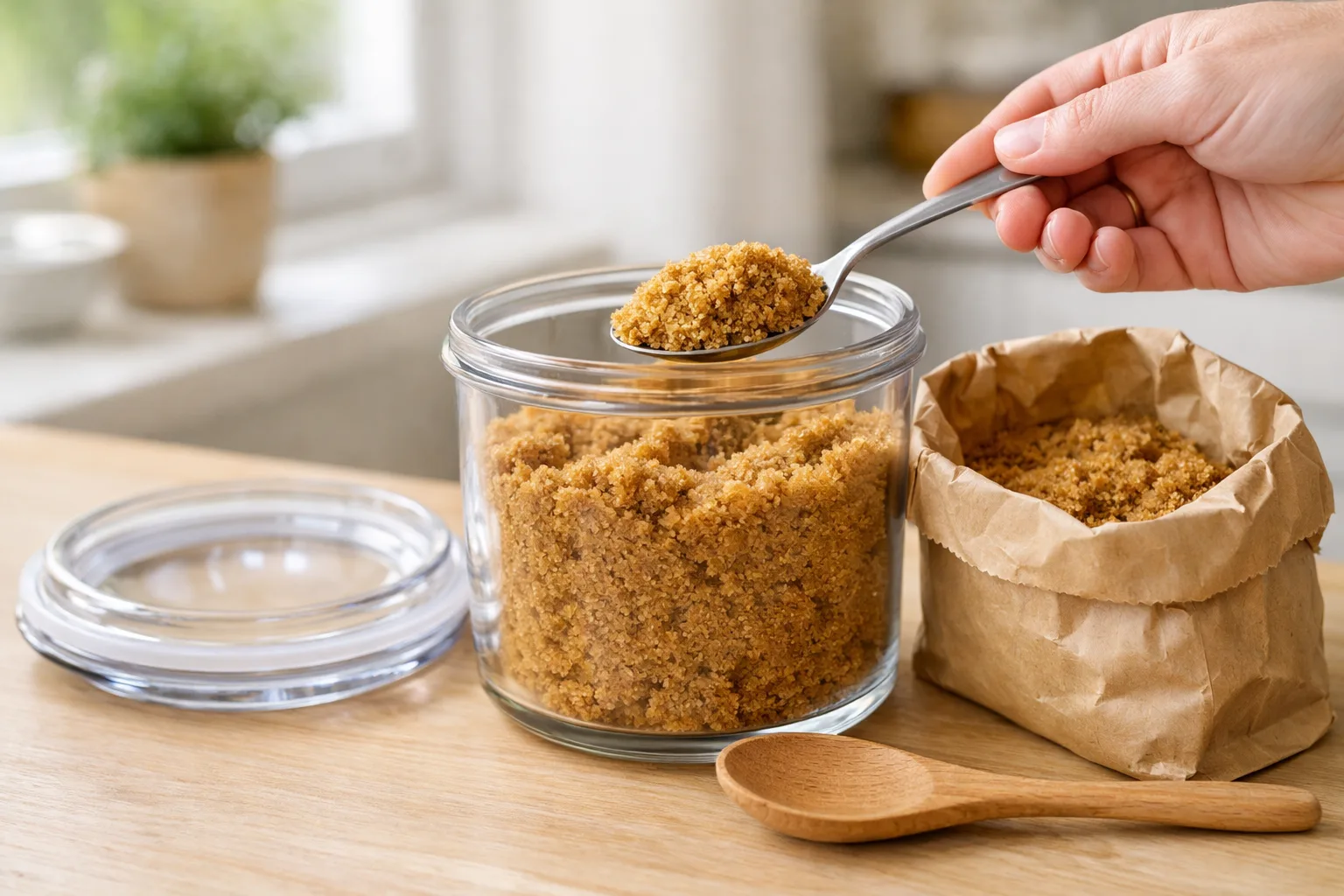
How to Keep Brown Sugar Soft After Opening the Bag
Keep brown sugar soft by sealing it in an airtight container and storing it in a cool, dry cupboard. Here’s what to do if it hardens anyway.