The Tiny Arrow on Your Fuel Gauge Has a Surprisingly Practical Job
By WowPebble Editorial
That little arrow beside your car’s fuel-pump symbol tells you which side the fuel door is on—a small detail that can save an awkward stop at the pump.
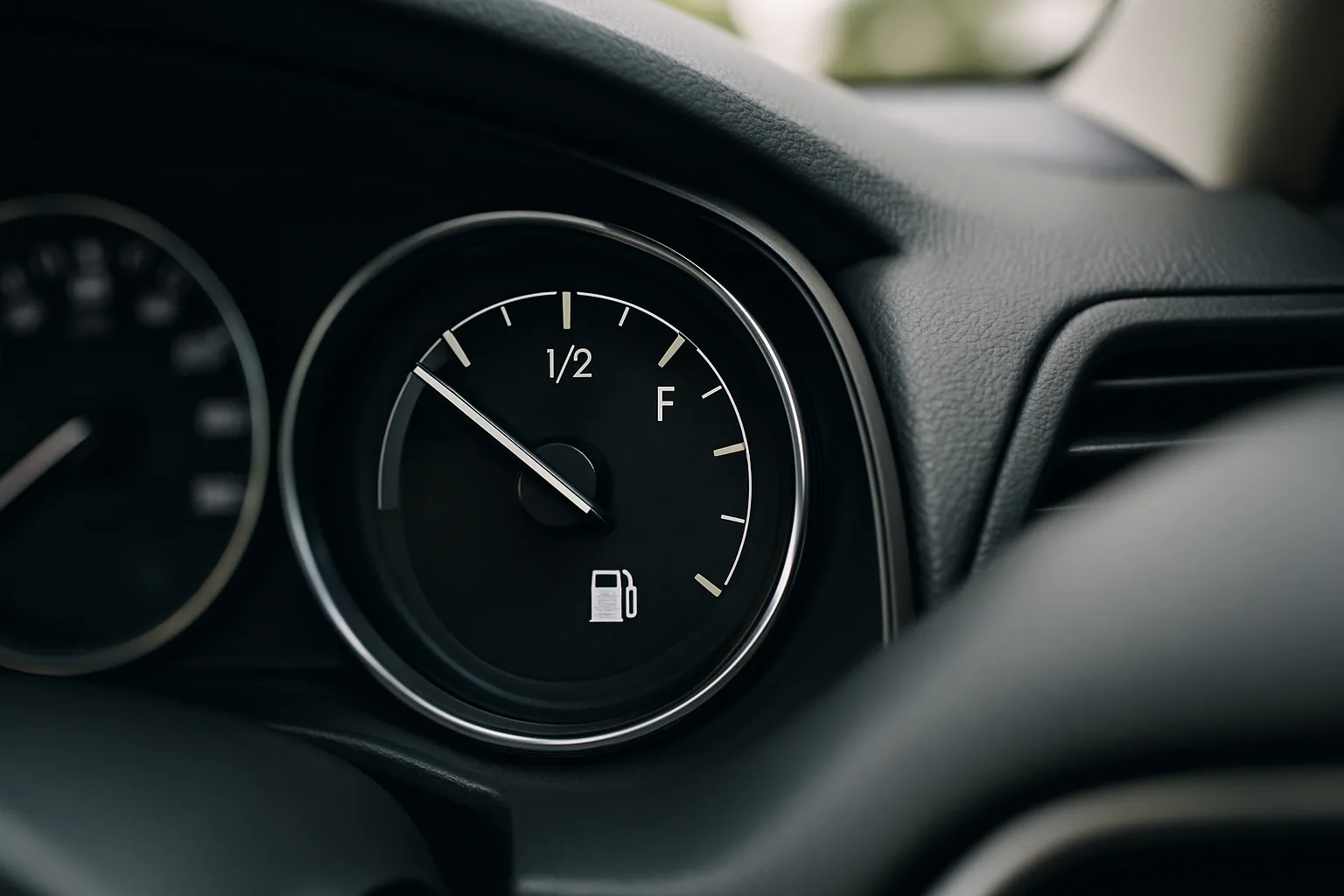
The small arrow beside a fuel-pump symbol tells you which side of the vehicle has its fuel-filler door. It is useful when you drive an unfamiliar car: check the indicated side before choosing how to position the car at the pump.
The important detail is the arrow, not a guess based on the drawing of the pump hose.
Read the arrow from the vehicle's perspective
In this Ford owner’s-manual example, a left-pointing arrow identifies a filler door on the vehicle's left; a right-pointing arrow identifies one on its right. Left and right refer to the vehicle, as when seated facing forward, not to someone looking at the car from the front.
Confirm that you are looking at the fuel-filler indicator in the actual vehicle's manual. A similar mark elsewhere on a dashboard may have a different function.
What the indicator does not tell you
It gives a side, not the door's exact position, release method or required fuel. A vehicle can have a button, a lever or a different opening procedure. Follow its instructions rather than pulling or forcing a door because you know which side it is on.
The indicator also does not describe the tank's shape inside the body. You do not need that information to use the side-location cue.
If there is no identifiable arrow
Check the owner's manual or locate the filler door while safely parked before refuelling. Do not assume the pump illustration alone is a reliable substitute. If you are renting, asking about the fuel type and release procedure at collection can answer the separate questions before you reach a station.
The cue is small because its job is narrow: identify the side. Once you have that answer, use the vehicle's normal refuelling procedure.
You might also like

Why Do Mirrors Reverse Left and Right but Not Up and Down?
A mirror does not actually swap left and right. It reverses the direction pointing into the glass—and the way we compare ourselves with the reflection creates the illusion.
Why Does a Retractable Pen Click When You Press It?
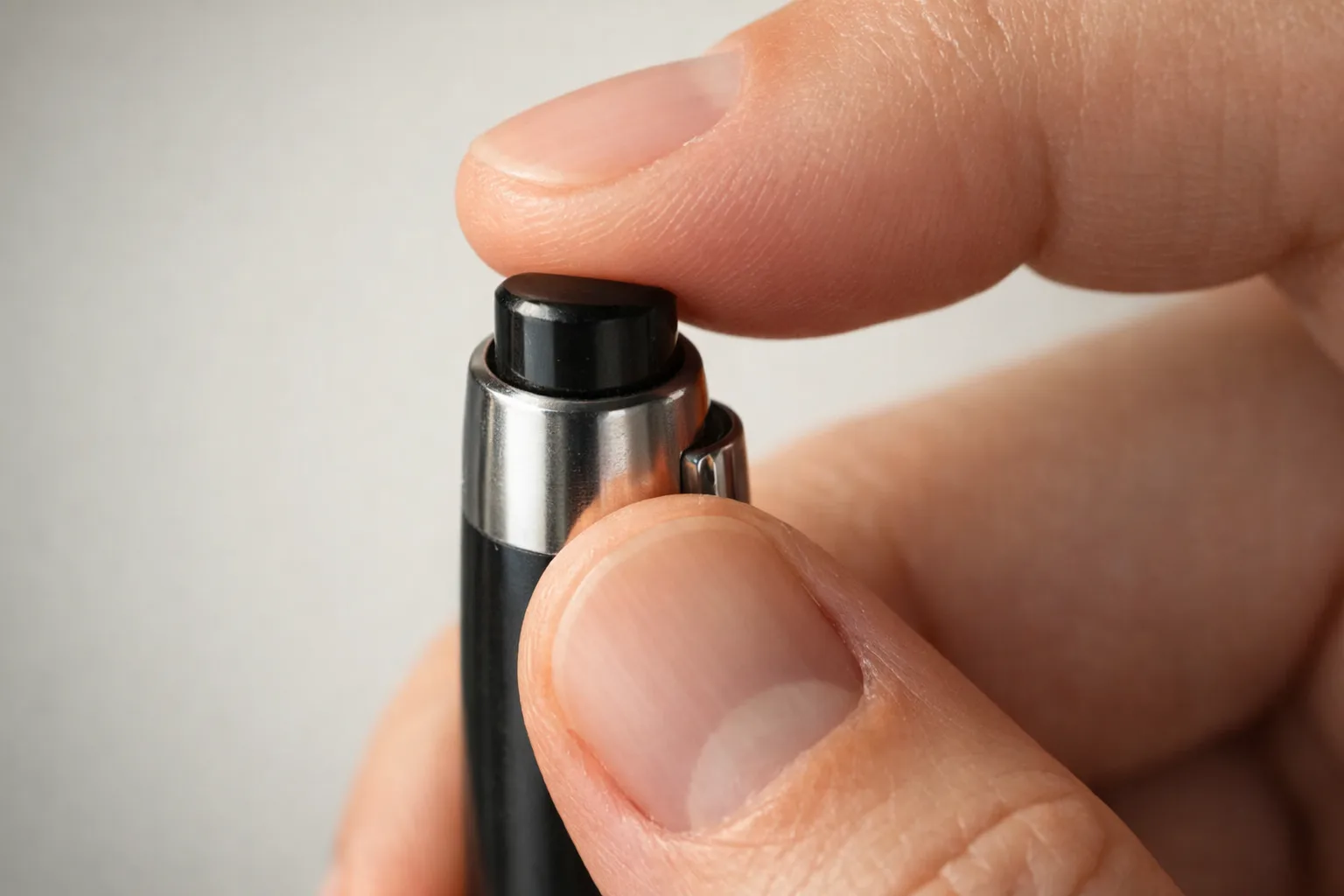
A retractable pen’s click comes from a small locking mechanism inside its barrel. Here’s how the button, cam and spring work together to extend and retract the tip.
Why Do Chimneys Have Caps? The Practical Reasons Explained
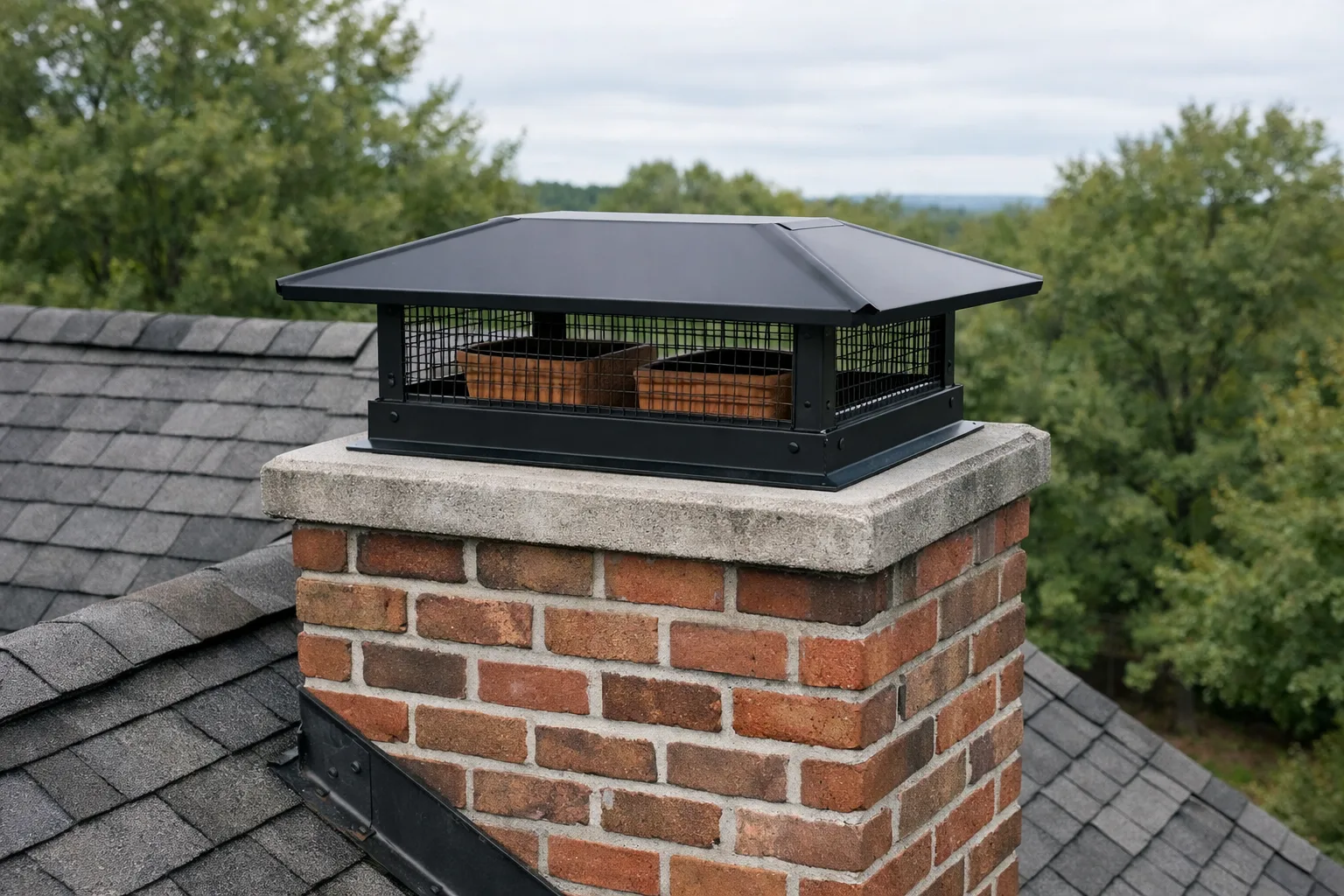
Chimney caps keep out rain, animals and debris, and some help contain sparks or reduce wind-driven downdrafts. Here’s how they work—and what they don’t do.