How to Keep Houseplants Watered While You’re Away for a Weekend
By WowPebble Editorial
Most houseplants can manage a short trip without elaborate gear. Water well before you leave, adjust their spot, and use a simple backup for thirsty plants.
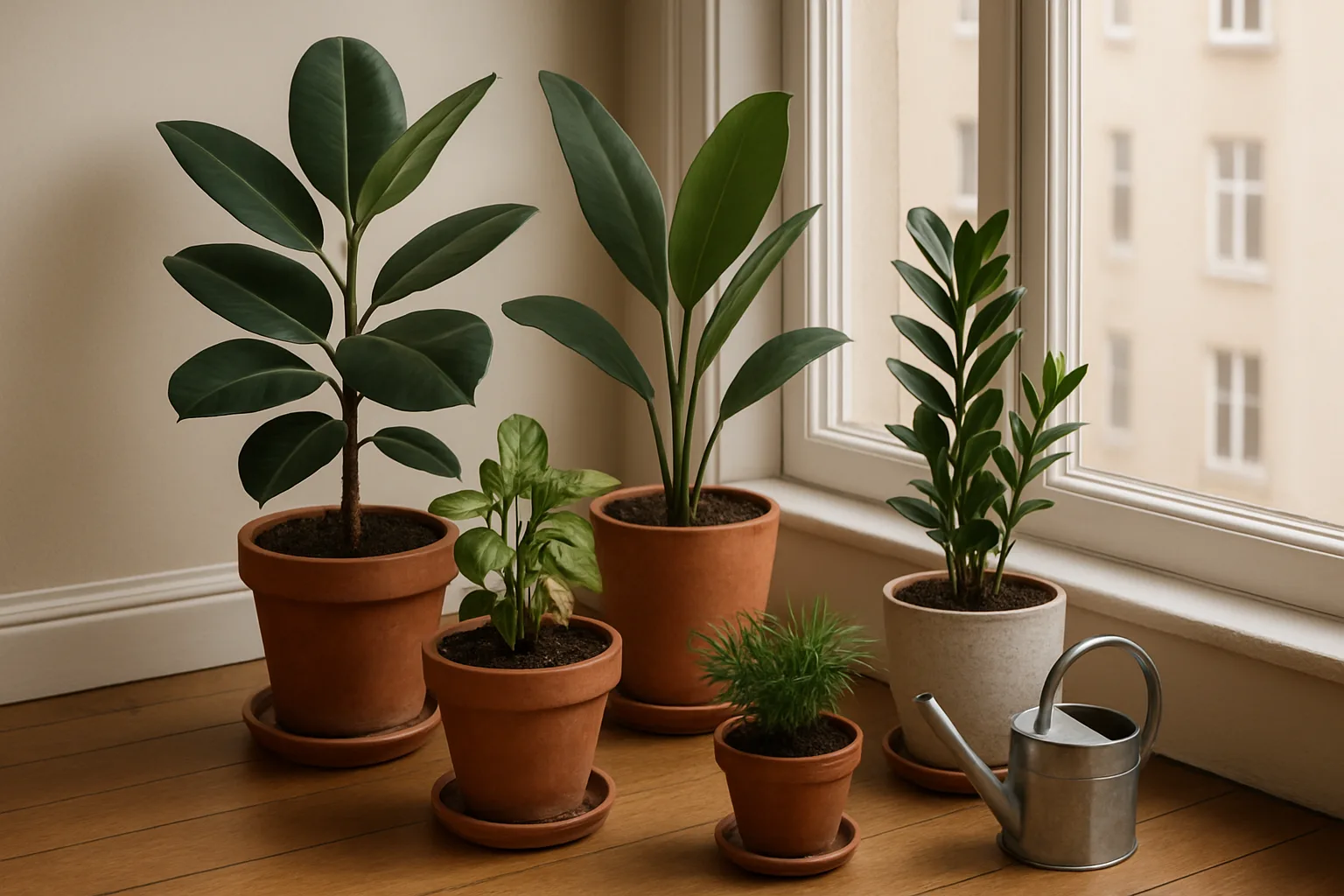
A weekend away usually doesn’t call for a complicated watering system. Most established houseplants can manage a couple of days without attention, especially if you water them properly before leaving and keep them out of hot, direct sun. The trick is to prepare for the needs of your plants—not to give every pot extra water just in case.
That distinction matters because dry soil can stress a plant, but waterlogged soil can be just as harmful. Plant roots need air as well as moisture, and pots that sit in water may develop root problems. A little preparation is usually safer than flooding the whole collection before you go.
Start by checking the soil
A plant’s watering needs depend on its species, pot size, growing mix, temperature, light, and how actively it is growing. A small pot in a sunny, warm room may dry out much faster than a large pot in a cool corner. So check the soil rather than relying on a fixed schedule.
For many common houseplants, feel the top inch or two of potting mix. If it is dry, the plant may be ready for water. If it still feels damp, wait. Some plants have different preferences: succulents and cacti generally prefer their mix to dry more thoroughly between waterings, while plants that like consistently moist soil may need closer attention. If you know your plant’s usual care requirements, use those as your guide.
Look for signs of trouble, too. A plant that is already wilting, dropping leaves, or sitting in soggy soil may need attention before you travel. Don’t assume that adding more water will fix every wilt: both underwatering and overwatering can cause drooping.
Give plants a thorough drink before you go
If a plant is due for water, water the soil evenly until a little runs from the drainage holes. Let the pot drain fully, then empty its saucer or cachepot. This wets the root zone without leaving the roots standing in excess water.
If water runs straight through a very dry potting mix, the soil may have pulled away from the sides of the pot or become difficult to re-wet. Add water slowly in stages, giving the mix time to absorb it. You can also set the pot in a shallow basin of water briefly so the mix draws moisture upward, then lift it out and let it drain. Don’t leave it soaking for the whole trip.
Skip the temptation to water plants that are already damp. Extra water does not act like a reserve tank the plant can draw from later; if the soil stays saturated, roots may be deprived of oxygen. A well-watered, freely draining pot is a better starting point than a flooded one.
Make the room less demanding
A few small changes can slow water loss while you’re gone. Move plants away from hot windows, strong afternoon sun, radiators, and heating or air-conditioning vents. A bright spot with indirect light is often a useful temporary choice. Avoid putting a plant in a dark cupboard or an unventilated space just to keep it cool.
Grouping plants together can create a slightly more humid area around them, though it won’t replace watering for a plant that dries quickly. Keep leaves from being pressed against one another, and make sure the group still has reasonable airflow. If you have a very thirsty plant in a small pot, moving it to a cooler, less exposed spot may help more than grouping alone.
Don’t leave pots sitting in water-filled trays as a general weekend solution. A shallow pebble tray may add a little humidity nearby, but it is not a reliable way to water the roots. For a short absence, focus on the soil, drainage, and the plant’s location.
Use a simple backup for plants that dry fast
Some plants need more help than others, particularly if they are small, recently repotted, in a very warm room, or known to prefer evenly moist soil. If one is likely to dry out before you return, try a watering method in advance rather than setting it up at the last minute.
A cotton wick can draw water from a reservoir into a pot. Place one end of a suitable wick in the soil and the other in a container of water. The reservoir is often placed beside or slightly below the pot, but how quickly water moves depends on the wick, soil, and setup. Test it for a few days before your trip. If the soil becomes too wet or stays dry, adjust the arrangement or choose another method.
A slow-drip bottle may work for some pots, but it can release water unpredictably or clog. If you use one, make sure it is designed for watering and test it while you are home. Don’t assume a new gadget will deliver the right amount simply because its instructions suggest it should.
A trusted plant sitter is the most straightforward option when a plant is delicate or your trip may last longer than planned. Leave clear instructions, including which plants need water and which should be left alone. A simple note is better than a blanket request to water everything.
Match the method to the length of the trip
For a typical two-night weekend, a healthy, established plant in a suitable pot often needs no special equipment. Water it if the soil is dry and it is due, make a sensible location adjustment, and leave it to drain.
For a longer absence, hot weather, or plants that dry out quickly, check each pot more carefully and consider a tested wick or someone who can visit. Succulents and cacti often cope better with a short dry spell than plants that prefer steady moisture, so don’t use the same plan for every species.
Before you leave, do one last check: Are the plants away from heat and harsh sun? Are the pots draining freely? Is anything sitting in a full saucer? Have you tested any self-watering setup? These small checks help prevent both drought stress and accidental overwatering.
The best weekend watering plan is usually the simplest one: check the soil, water only when needed, let excess drain away, and reduce unnecessary heat and sun. With a little attention before you go, your plants can often enjoy the weekend almost as much as you do.
You might also like
How to Keep Cut Flowers Fresh Longer in a Vase
Clean water, freshly trimmed stems, and a cool spot can make a striking difference. Learn the simple science and everyday steps that help cut flowers last.
How to Store Potatoes So They Sprout More Slowly
Keep potatoes cool, dark, dry and well ventilated to slow sprouting. Learn which containers work, where to store them and what to avoid.
How to Get Garlic Smell Off Your Hands
Garlic smell can linger after chopping, but a thorough wash with soap and water usually helps. Here’s how to clean your hands—and what to try if the odor remains.